Motor Starters vs. Contactors vs. Overload Relays: What Each One Does and Why You Need All Three
When a motor stops running, the first instinct is to find the part that looks
Availability:
1 in stock
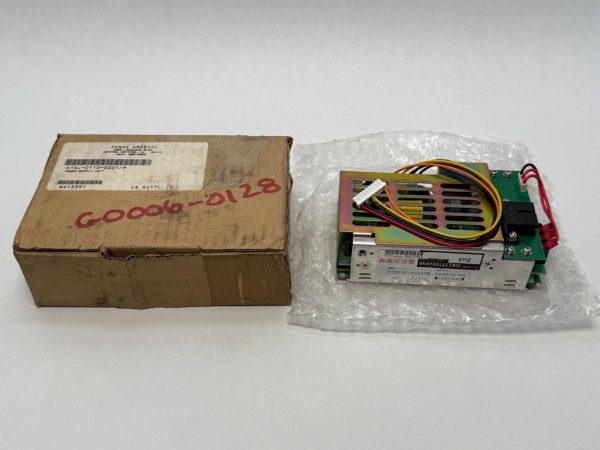
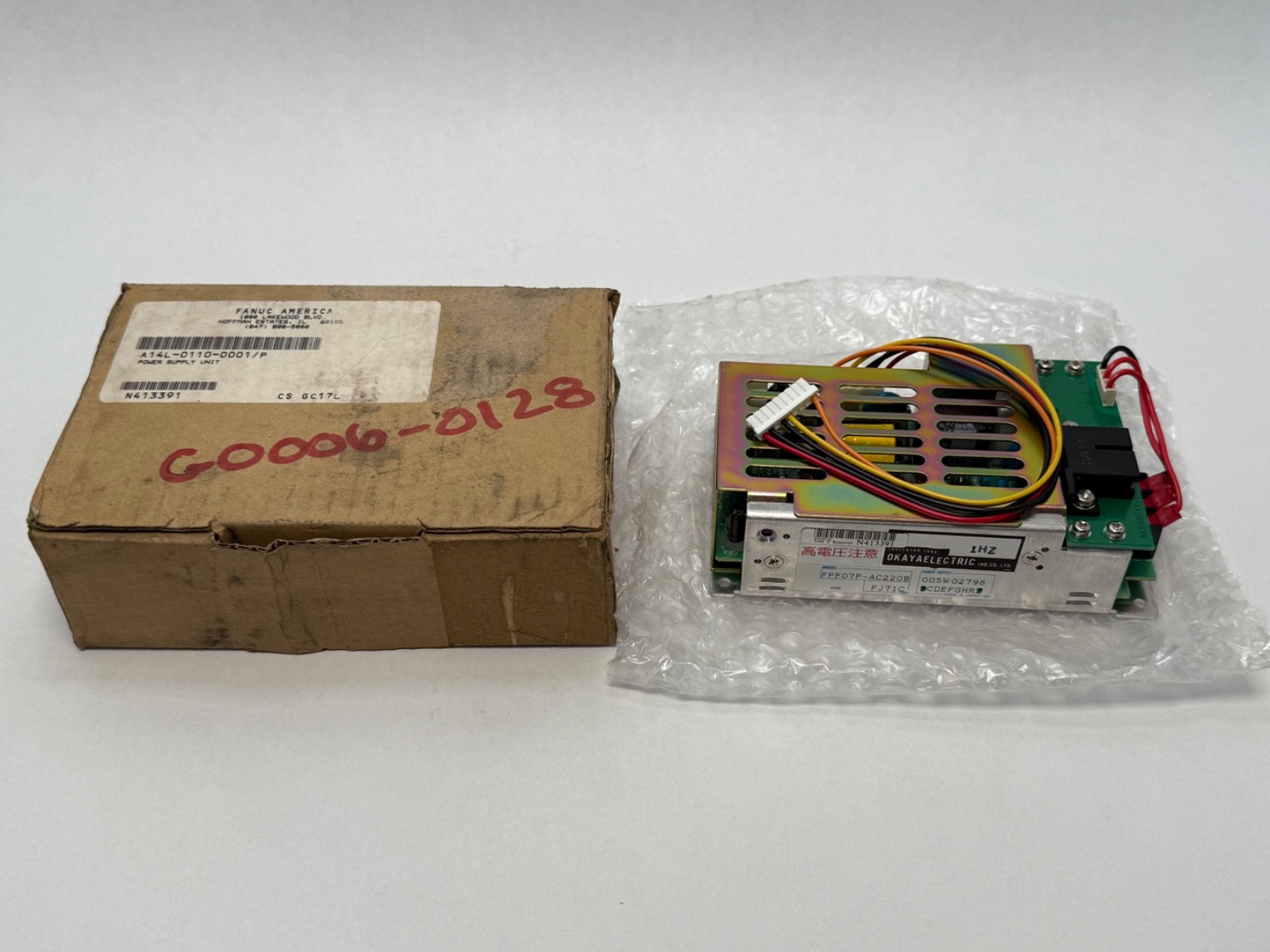
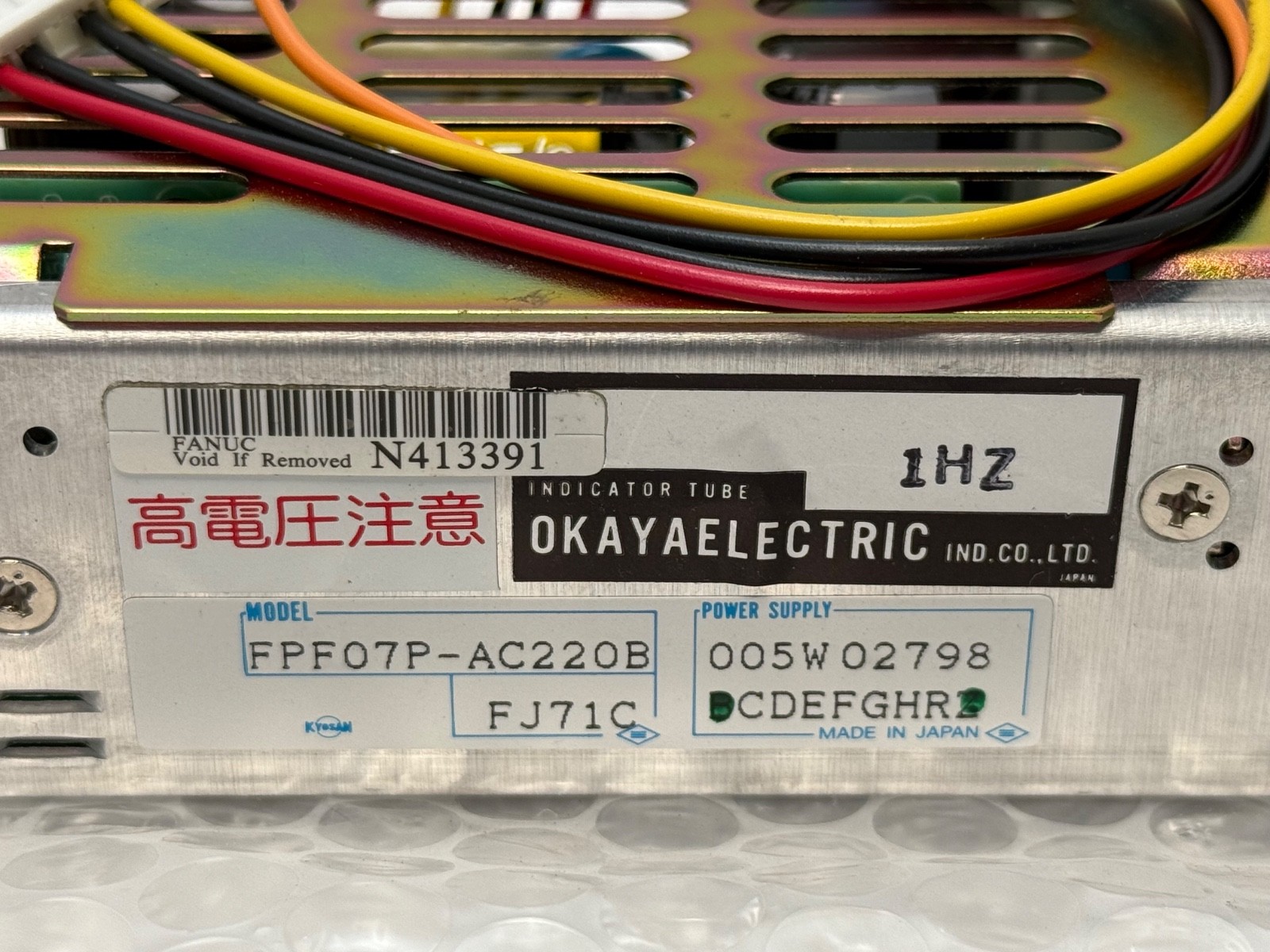
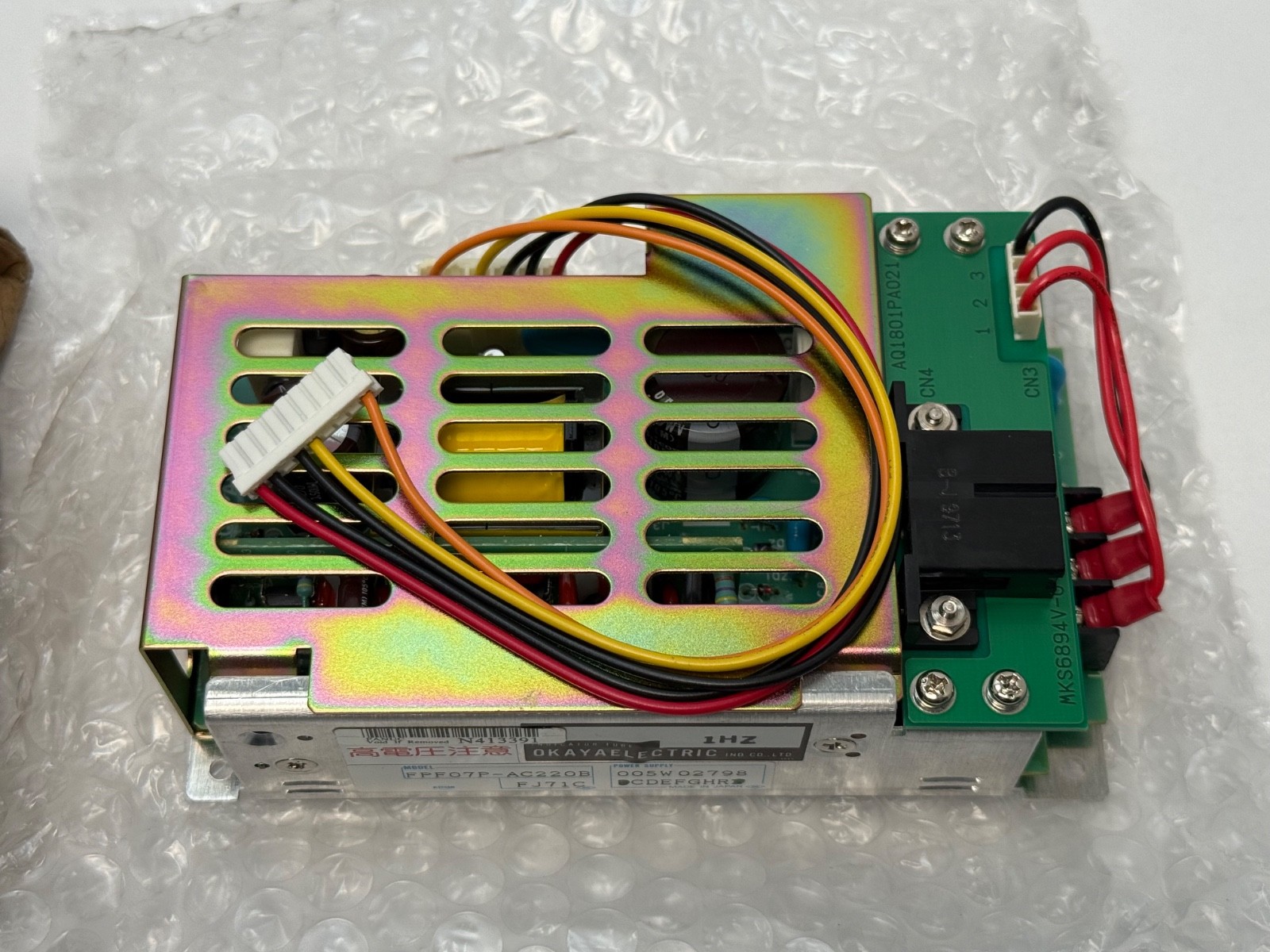
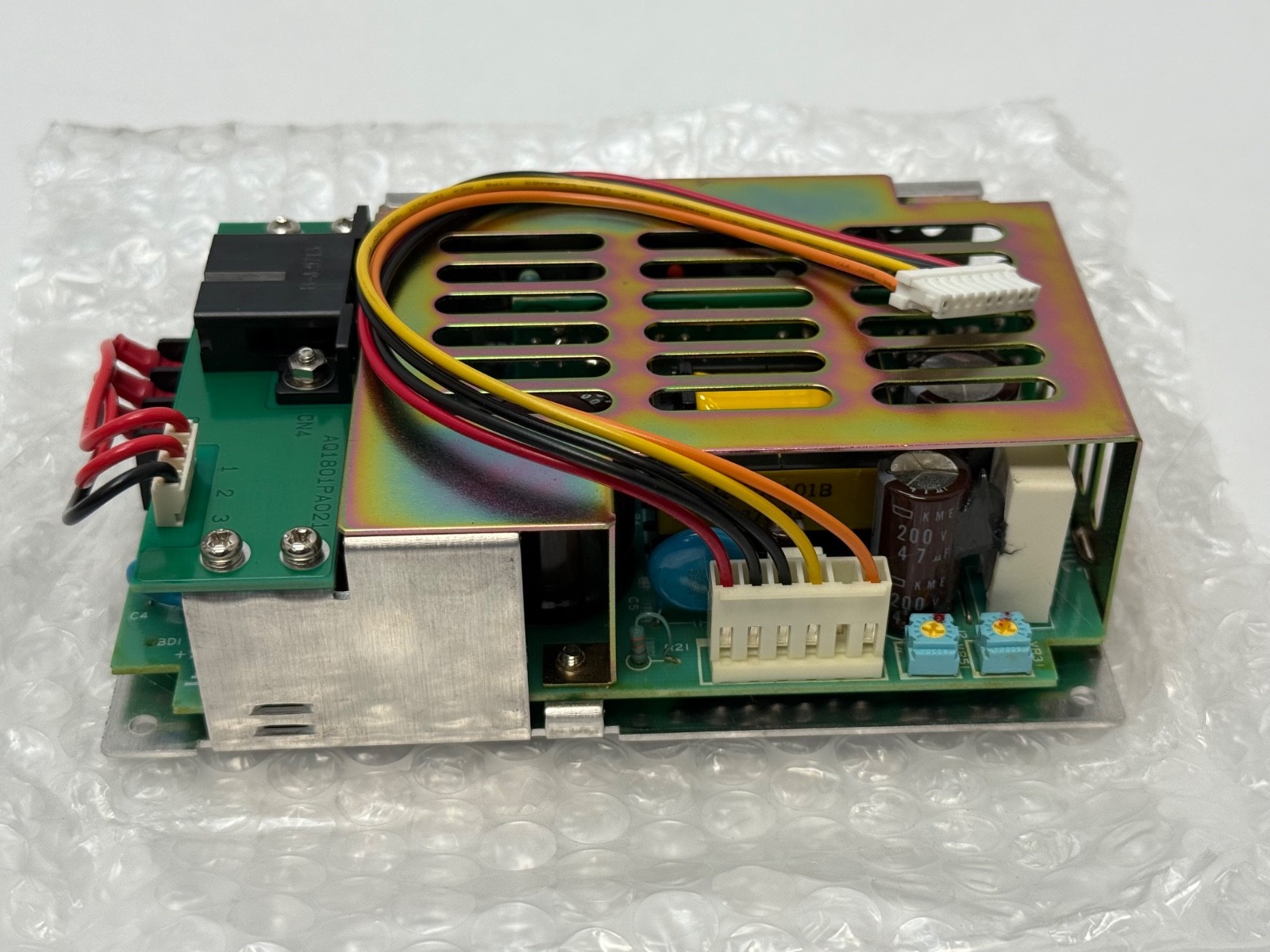
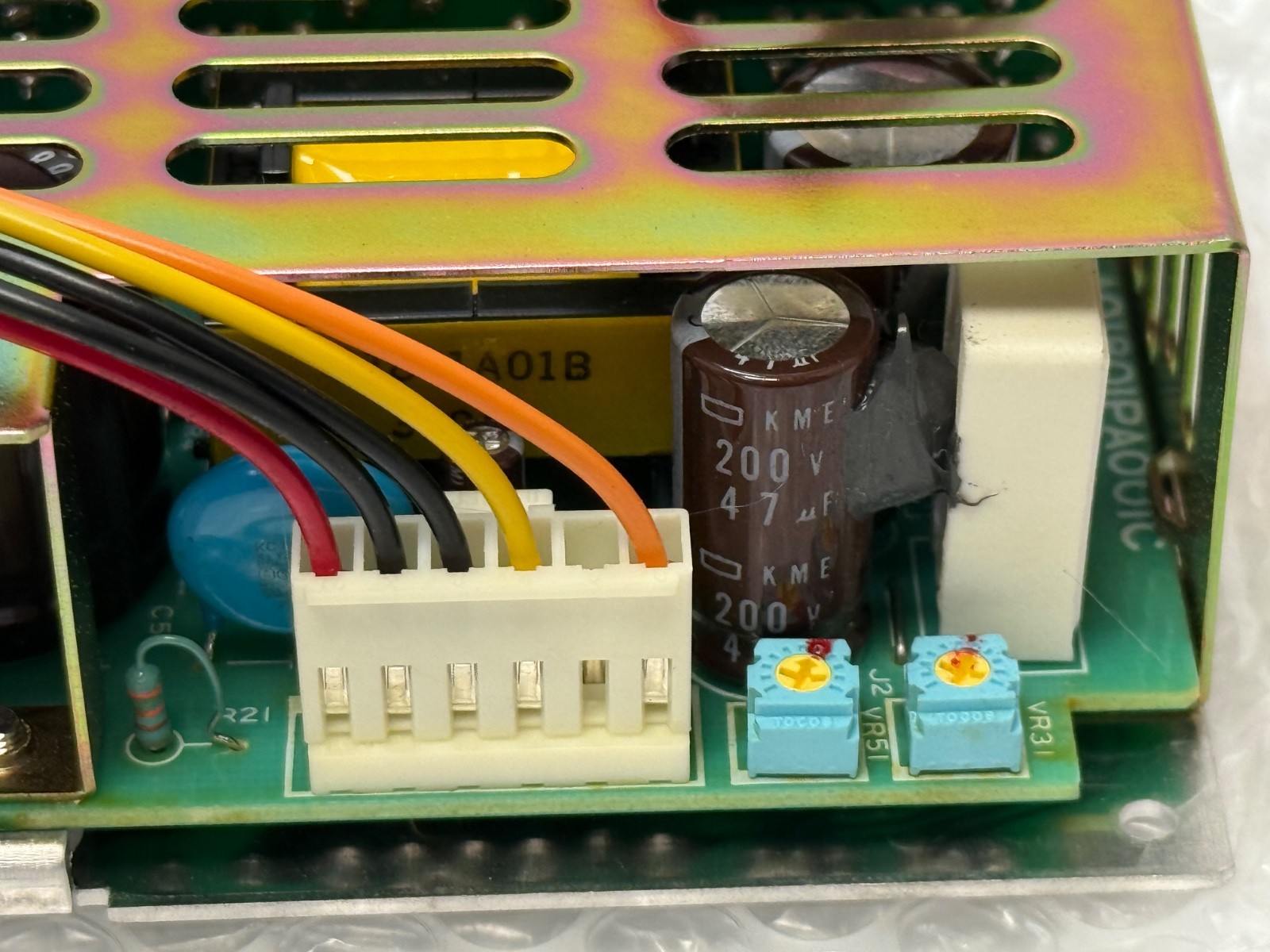
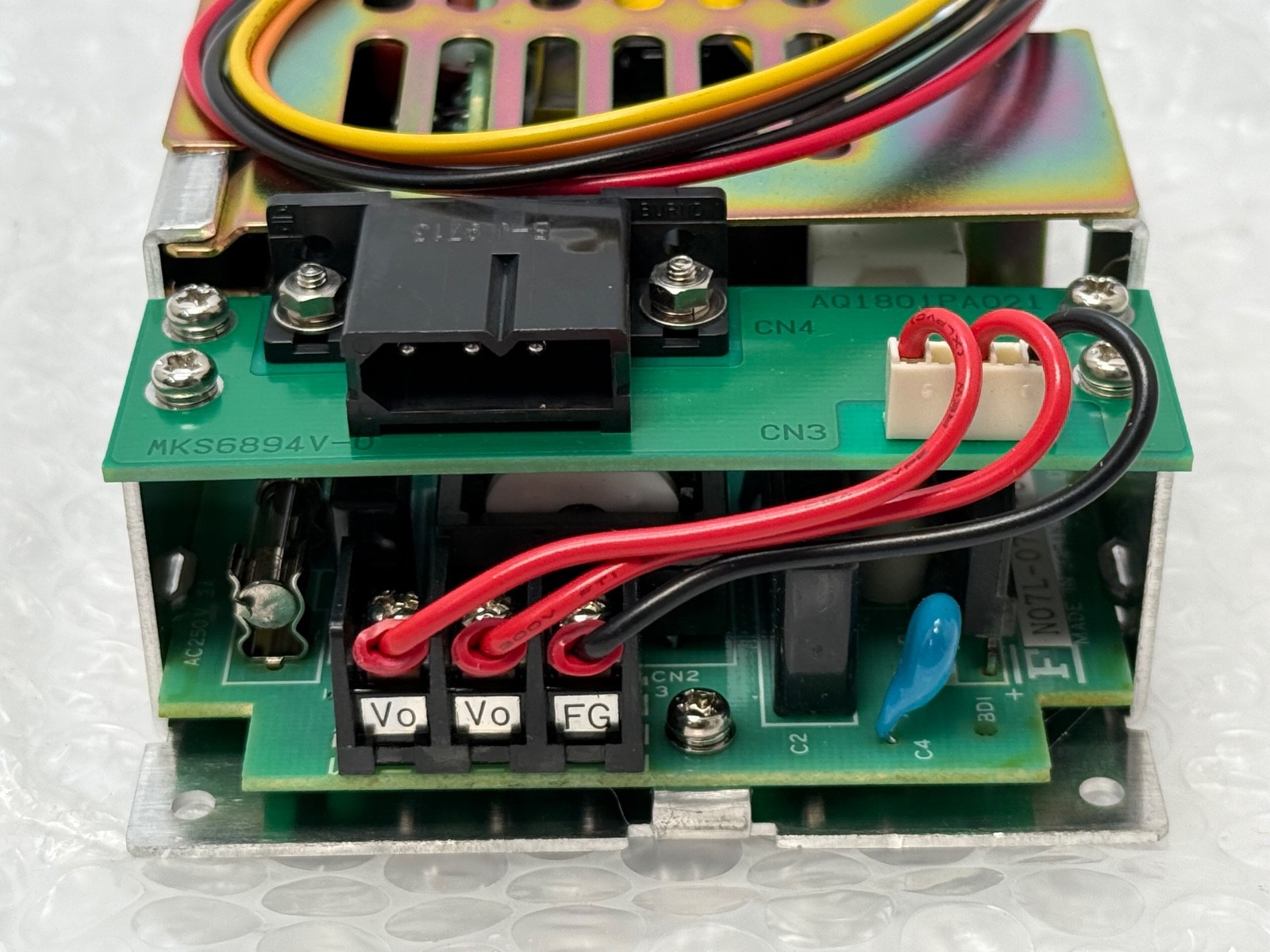
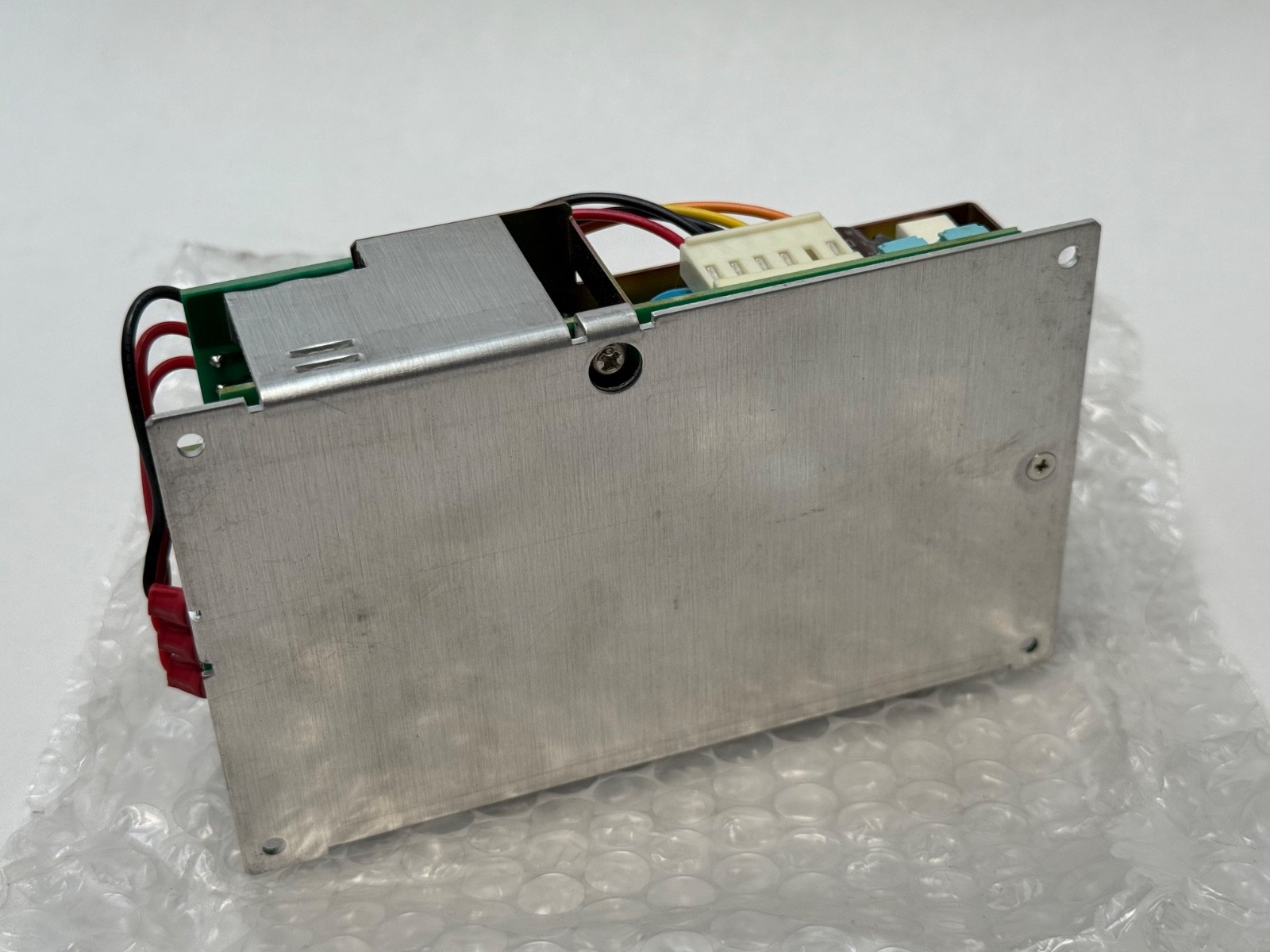
AC power-line noise filter for a 220 V class supply, carried by FANUC as A14L-0110-0001/P. A passive low-pass line filter fitted at the incoming supply of a CNC control or drive cabinet to block conducted high-frequency noise in both directions. One filter only — no mating leads, terminal covers or mounting hardware included.
List Price
$361.99
1 in stock

1 in stock
On the Shelf & Ready to Ship
On all orders

No Risk, No Hassle
Also Available From:
| MFR / Brand | KYOSAN |
|---|---|
| MPN | FPF07P-AC220B,A14L-0110-0001/P |
| Color | Silver |
|---|---|
| Condition | New |
| Industry Terms | noise filter; line filter; AC power line filter; EMI filter; RFI filter; mains filter; EMC filter; Rauschfilter |
| Common Misspellings | FPFO7P-AC220B; FPF07P AC 220B; Okaya FPF-07P; Kyosan FPF07P; A14L 0110 0001 P; Fanuc A14L01100001P |
| Application Types | CNC control cabinet incoming supply; servo and spindle drive cabinets; switch-mode power supply input filtering; machine tool EMC compliance |
| Connector Style | Screw-terminal line and load connections; confirm terminal type against the unit |
| Item Width | 6 |
| Item Height | 4 |
| Controller Platform | FANUC CNC control and drive cabinets (A14L-0110-0001/P) |
| Mpn Variants | FPF07P-AC220B; FPF07PAC220B; FPF07P AC220B; FPF-07P-AC220B; FPF 07P AC220B |
| Manufacturer Status | Legacy build; Okaya's current single-phase equivalents are the SUP series |
| Compatible With Replaces | FANUC CNC control and drive cabinet incoming supplies calling for A14L-0110-0001/P |
| Additional Attributes | Passive low-pass LC line filter, bidirectional attenuation; directional — observe the line and load sides; performance depends on a short, low-impedance earth bond; internal Y-capacitance contributes to earth-leakage current; no power output rating (it is not a power supply) |
| Nominal Rated Input Voltage | 220 VAC class (AC220B), 50/60 Hz |
| Part Number | FPF07P-AC220B |
| Mounting Type | Chassis / back-panel bolt mount; mount at the cable entry point on bare metal |
| Cross Reference 1 | A14L-0110-0001/P — FANUC part number for this filter |
|---|---|
| Cross Reference 2 | A14L-0110-0001 — FANUC number without the /P suffix |
| Cross Reference 3 | A14L01100001 — unspaced form of the FANUC number |
| Cross Reference 4 | Okaya SUP-EP series — current single-phase AC line noise filters, 250 VAC; functional equivalent by class, check form factor |
| Cross Reference 6 | Okaya SUP-EQ series — current single-phase AC line noise filters; functional equivalent by class |
| Cross Reference 7 | Okaya SUP-EH-EP and SUP-PH-R series — current single-phase AC line noise filters; functional equivalents by class |
| Cross Reference 8 | A14L-0065-0001 / A14L-0102-0002 / A14L-0135-0001 — other FANUC A14L supply-side parts; different ratings, search cross-references only |
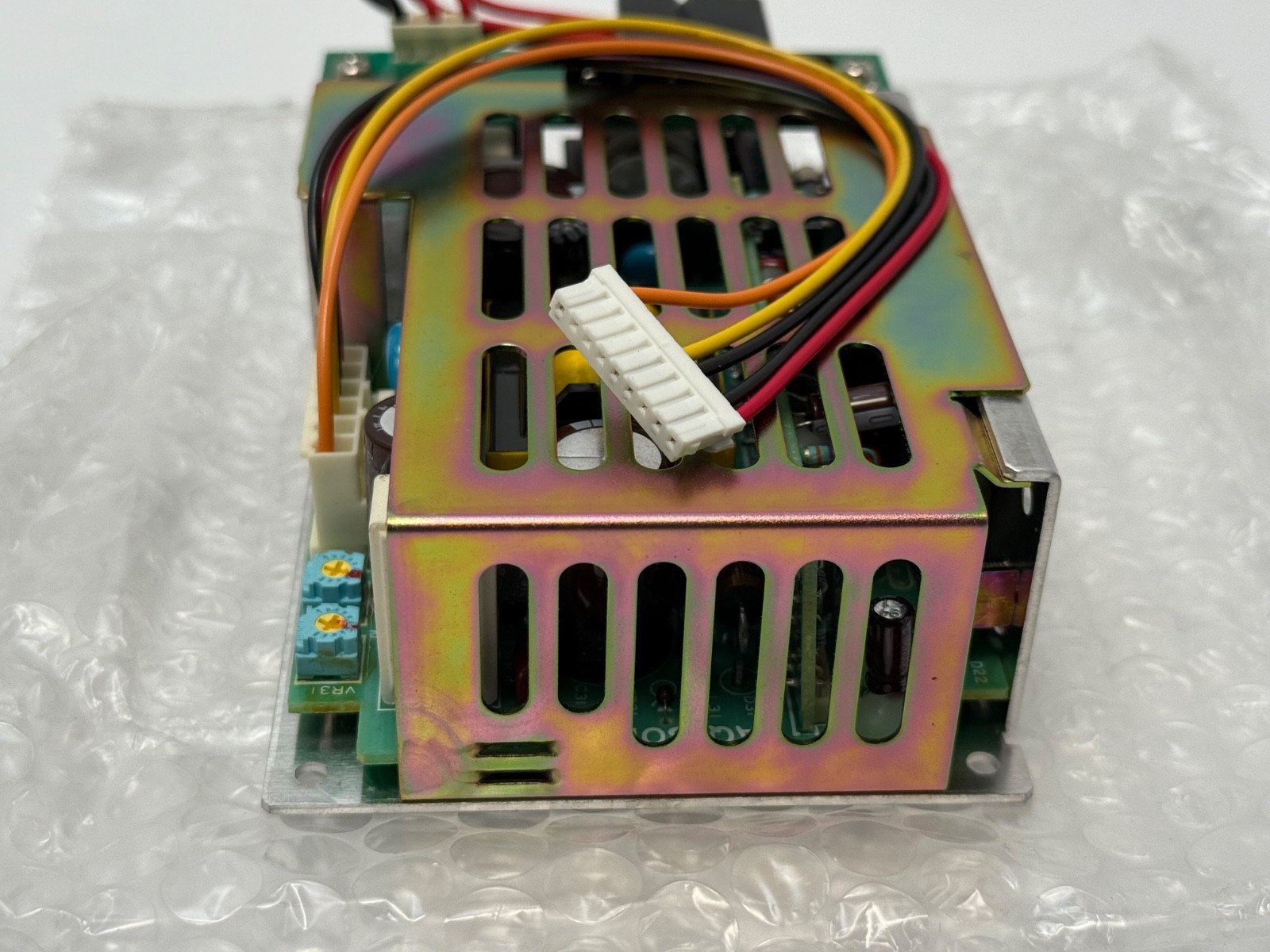
This is an Okaya AC power-line noise filter — a passive LC network fitted in series with an incoming AC supply. Its job is to pass 50/60 Hz power essentially untouched while attenuating the high-frequency conducted noise above its cut-off frequency, in both directions: it keeps mains-borne interference out of sensitive control electronics, and it keeps the switching noise generated by drives and switch-mode supplies from being pushed back out onto the plant supply.
It is a filter, not a power supply. It converts nothing, regulates nothing and produces no output rail — whatever voltage goes in comes out. FANUC carries this exact filter under its own part number A14L-0110-0001/P, and on a FANUC machine it is the line filter at the cabinet supply, not part of the servo or spindle amplifier chain.
FPF — the Okaya filter family designation.
07 — the rated-current field within the family. This is the number that must match or exceed the current your cabinet actually draws.
P — the terminal and case configuration for this build.
AC220B — the voltage class: a 220 V AC line filter, with the trailing letter denoting the build variant.
A14L-0110-0001/P — FANUC’s own part number for the filter. A14L- is FANUC’s prefix for line filters, reactors and related supply-side components, so it is worth searching alongside the Okaya number. (For contrast, A20B- is FANUC’s printed-circuit-board prefix and A86L- is its bought-in component prefix — useful to know when reading a FANUC parts list.)
Two things in the earlier record were wrong and are corrected here. The brand field read Kyosan; this is an Okaya filter carried by FANUC, and Kyosan is a different Japanese manufacturer. And the earlier copy described a “power output of 005W”, which does not describe this part at all — a passive line filter has no power output rating. Its meaningful ratings are voltage class, rated current and insertion loss.
A line filter is sized on current, and it is the one component people undersize by accident. Fit a filter rated below the cabinet’s actual draw and the choke windings run hot and the filter eventually fails short or open — usually presenting as a machine that trips its incoming breaker for no visible reason. Read the current your cabinet draws, not the machine’s nameplate horsepower.
Grounding is what makes the filter work. The Y-capacitors inside shunt common-mode noise to the filter’s earth terminal, so a filter bonded to the cabinet through a long, thin or painted-over ground path does very little. Bolt it to bare metal on the back panel, keep the earth strap short and wide, and mount the filter at the point the cable enters the enclosure — a filter mounted deep inside the cabinet lets the unfiltered incoming cable radiate straight into everything on its way there, which is the most common reason a correctly-specified filter appears not to help.
Note also that these filters carry internal capacitance to earth, so on a supply monitored by a sensitive earth-leakage device several filtered cabinets in parallel can add up to a nuisance trip. That is normal and expected, not a fault.
Sold as one filter. No mating leads or cable, no terminal covers if not already fitted, no mounting bolts or brackets, no FANUC cabinet hardware and no documentation are included.
Isolate and lock out the incoming supply before working on it — the filter sits upstream of everything, so it is live whenever the cabinet is fed, and its internal capacitors can hold a charge after disconnection. Wire it the right way round: line filters are directional, with a designated line side and load side, and reversing them costs most of the attenuation. Keep the incoming and outgoing cables physically separated and never run them side by side in the same duct or tie-wrapped together, because noise couples straight across the filter through the cable coupling and undoes the work. Land the earth terminal to bare, clean metal with a short strap.
Searched as FPF07P-AC220B, FPF07PAC220B, FPF07P AC220B, FPF-07P-AC220B, A14L-0110-0001/P, A14L01100001, A14L 0110 0001 and Okaya noise filter FPF. Okaya’s current catalogue equivalents are its single-phase SUP AC power-line noise filter series — SUP-EP, SUP-EK, SUP-EQ, SUP-EH-EP and SUP-PH-R — built to 250 VAC with rated currents from about 1 A to 50 A. Those are functional equivalents by voltage class and current rating rather than form-for-form drop-ins, so check the case dimensions, terminal type and mounting centres against the unit you are replacing. Neighbouring FANUC supply-side part numbers worth knowing when reading a parts list are A14L-0065-0001, A14L-0102-0002 and A14L-0135-0001; those are different ratings and functions in the same A14L block, so they are search cross-references, not substitutes.
$288.34
5 in stock
$305.20
6 in stock
$417.66
4 in stock
$160.00
5 in stock
$305.20
6 in stock
Nine bearing and power transmission manufacturers raised list prices this
Maintenance is now 65% Slower, but it’s not a labor
When a motor stops running, the first instinct is to find the part that looks
From Caligula’s luxury fleet to modern factories, this is the story of how a single
When sourcing a replacement bearing, you will often find both Timken and SKF options for
Our team can locate, cross-reference, and source all parts.
Sort
Brand
Price
MPN
Categories