Motor Starters vs. Contactors vs. Overload Relays: What Each One Does and Why You Need All Three
When a motor stops running, the first instinct is to find the part that looks
Availability:
1 in stock
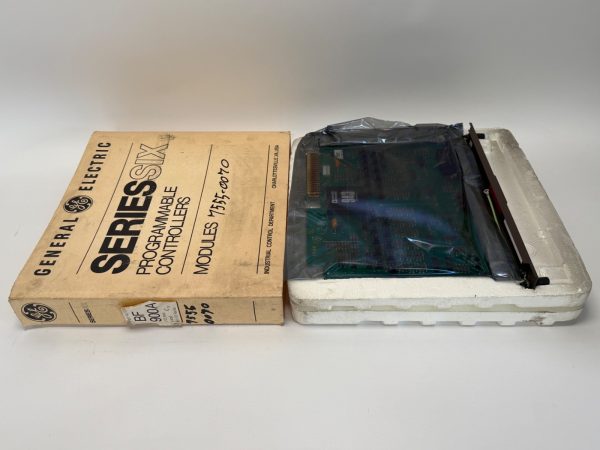
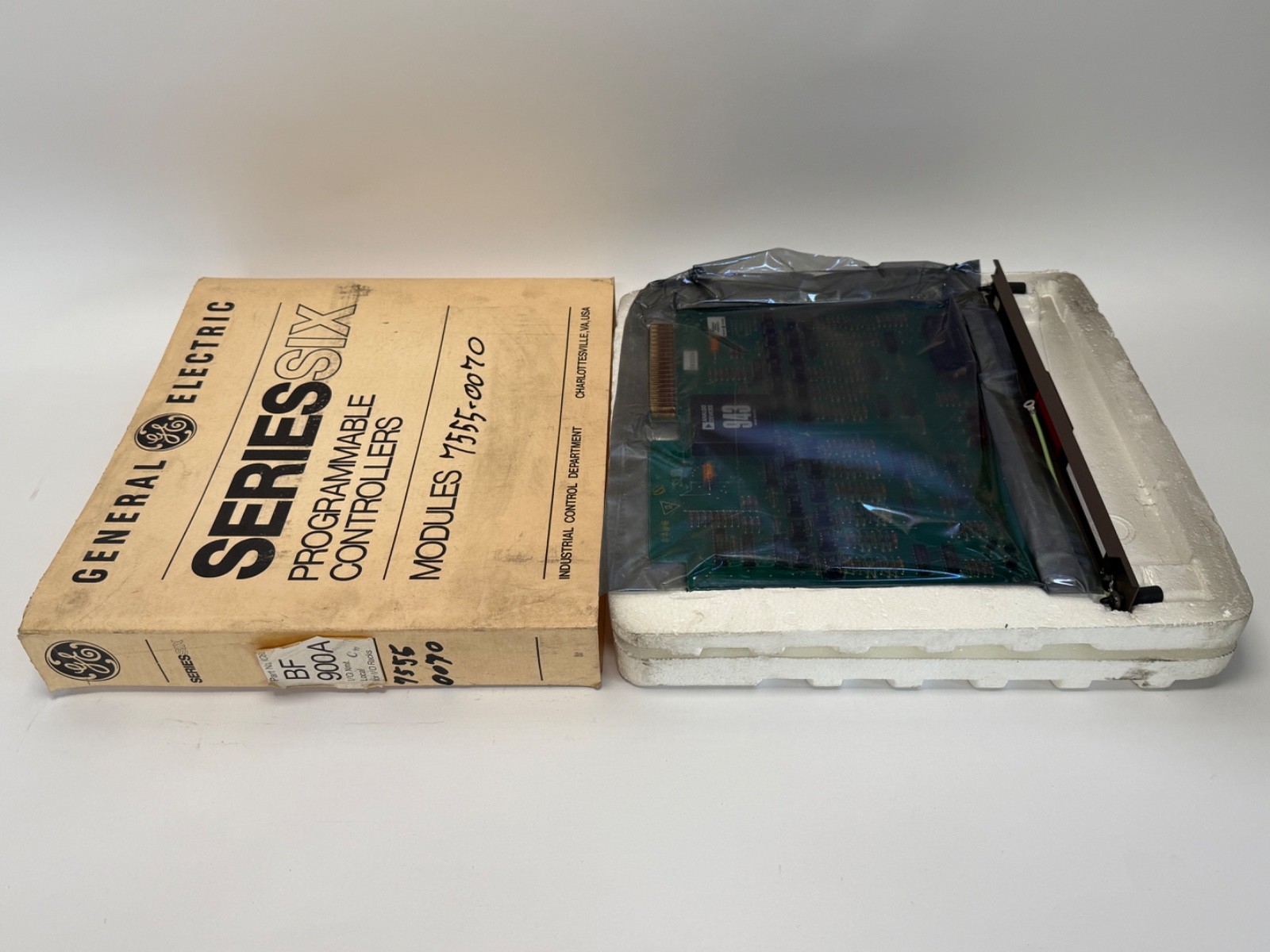
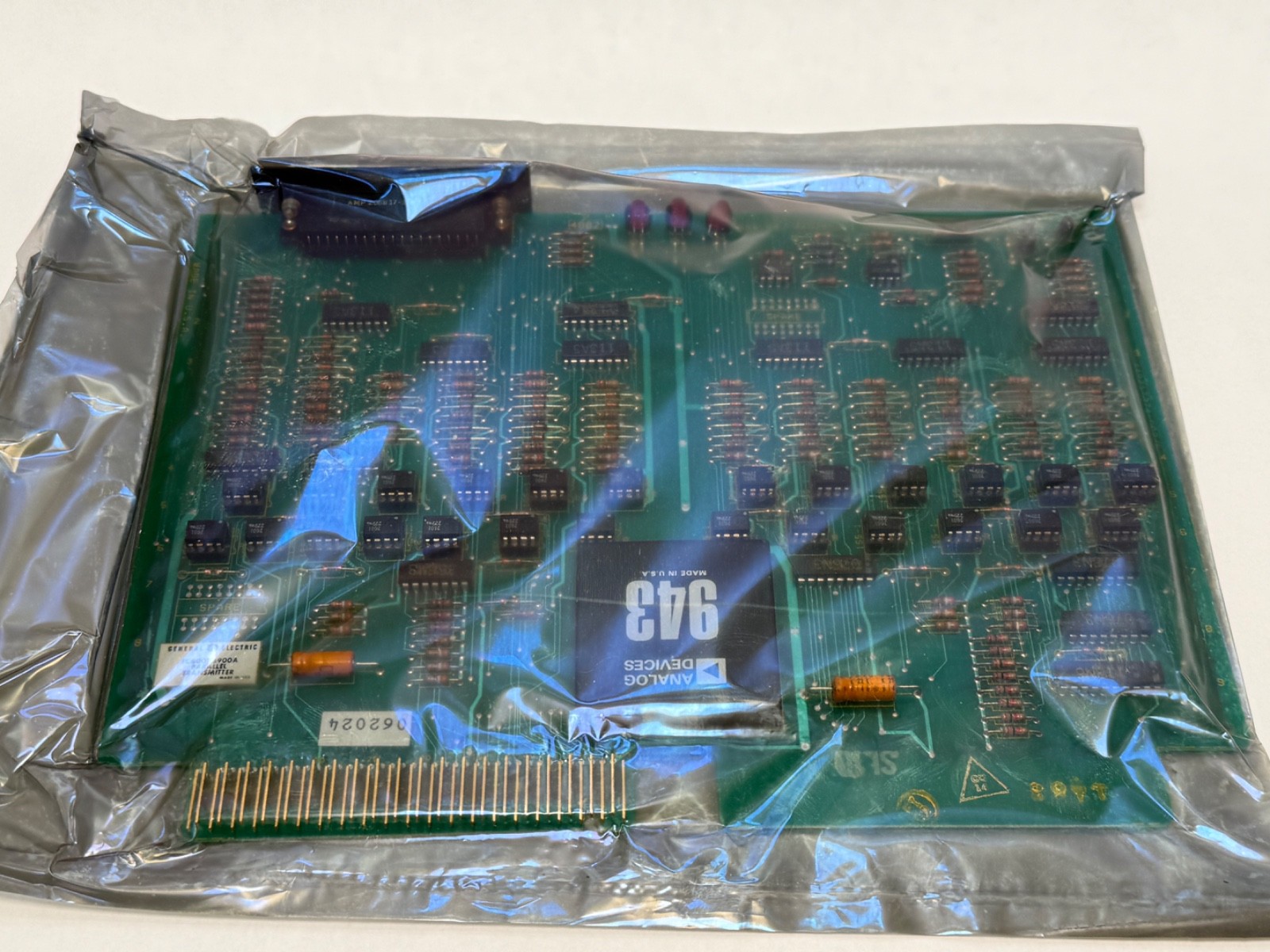
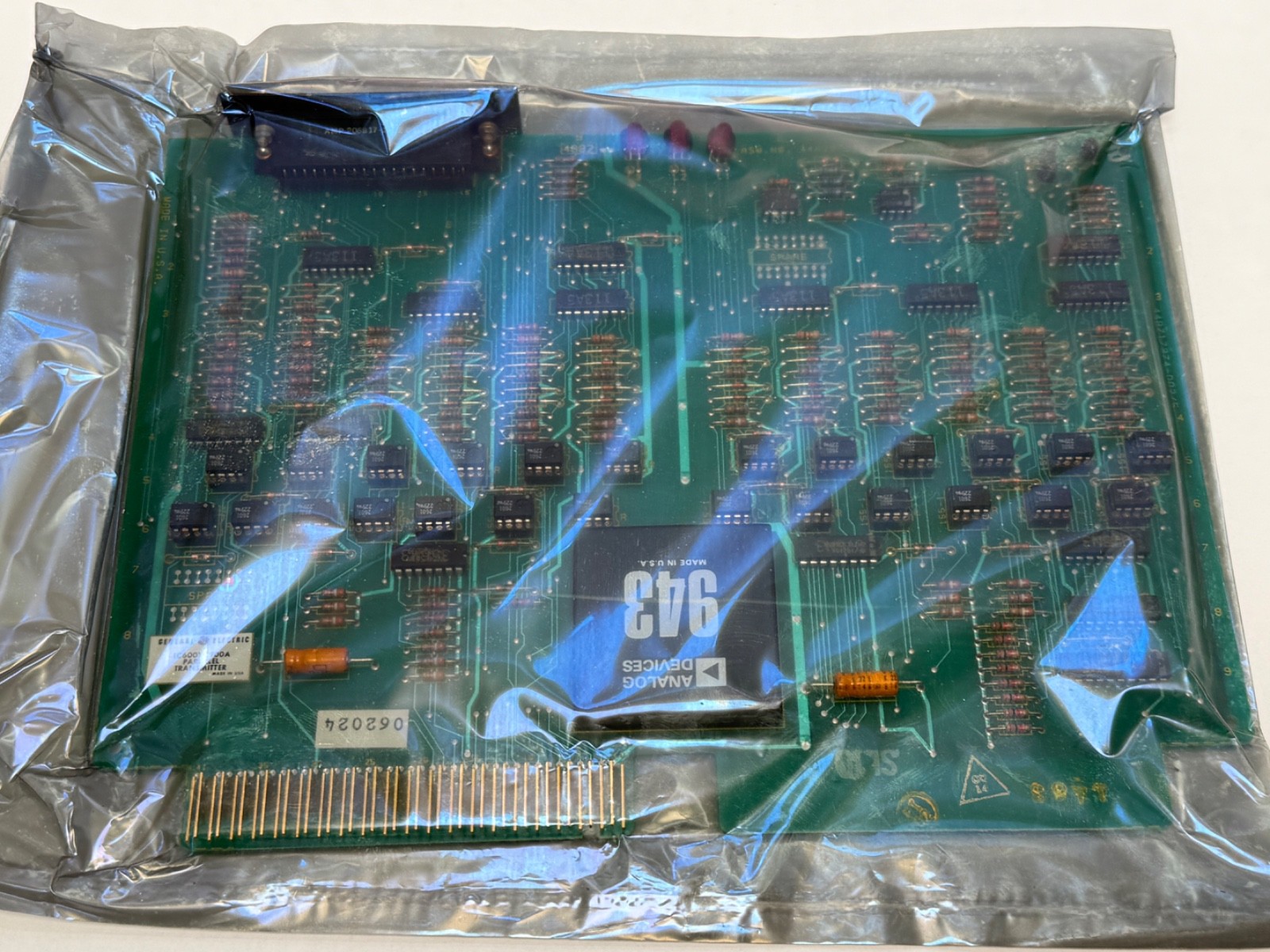
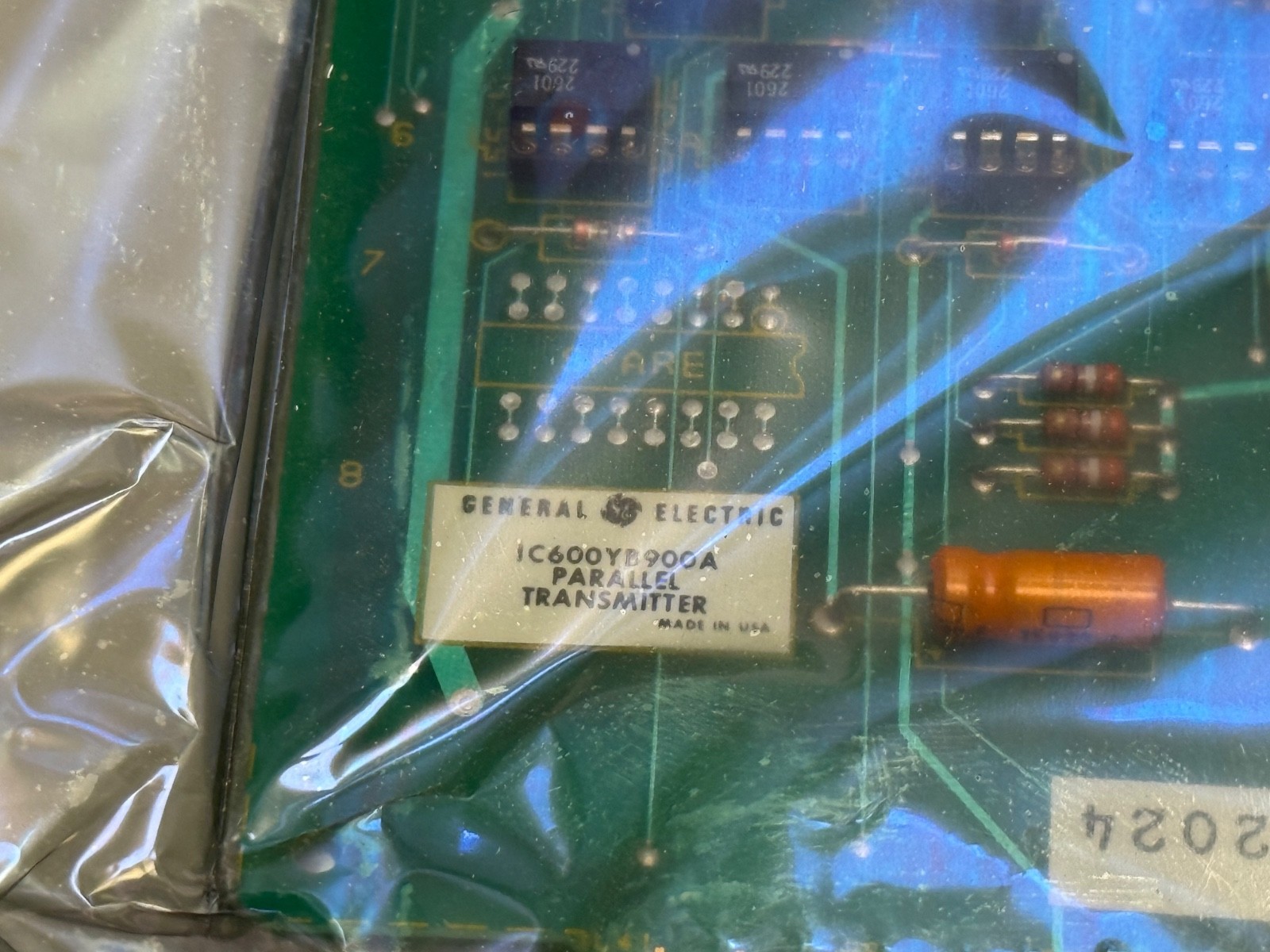
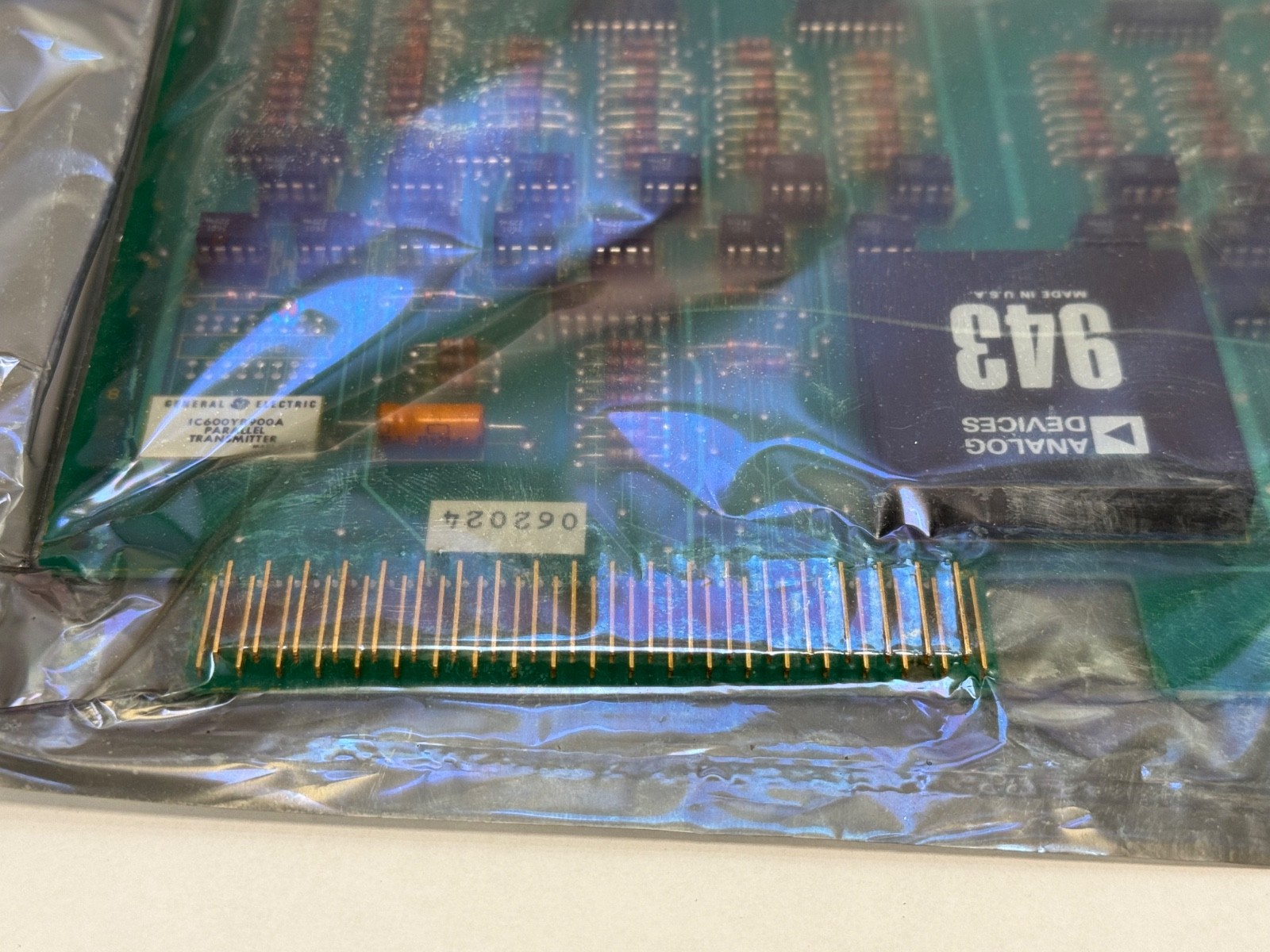
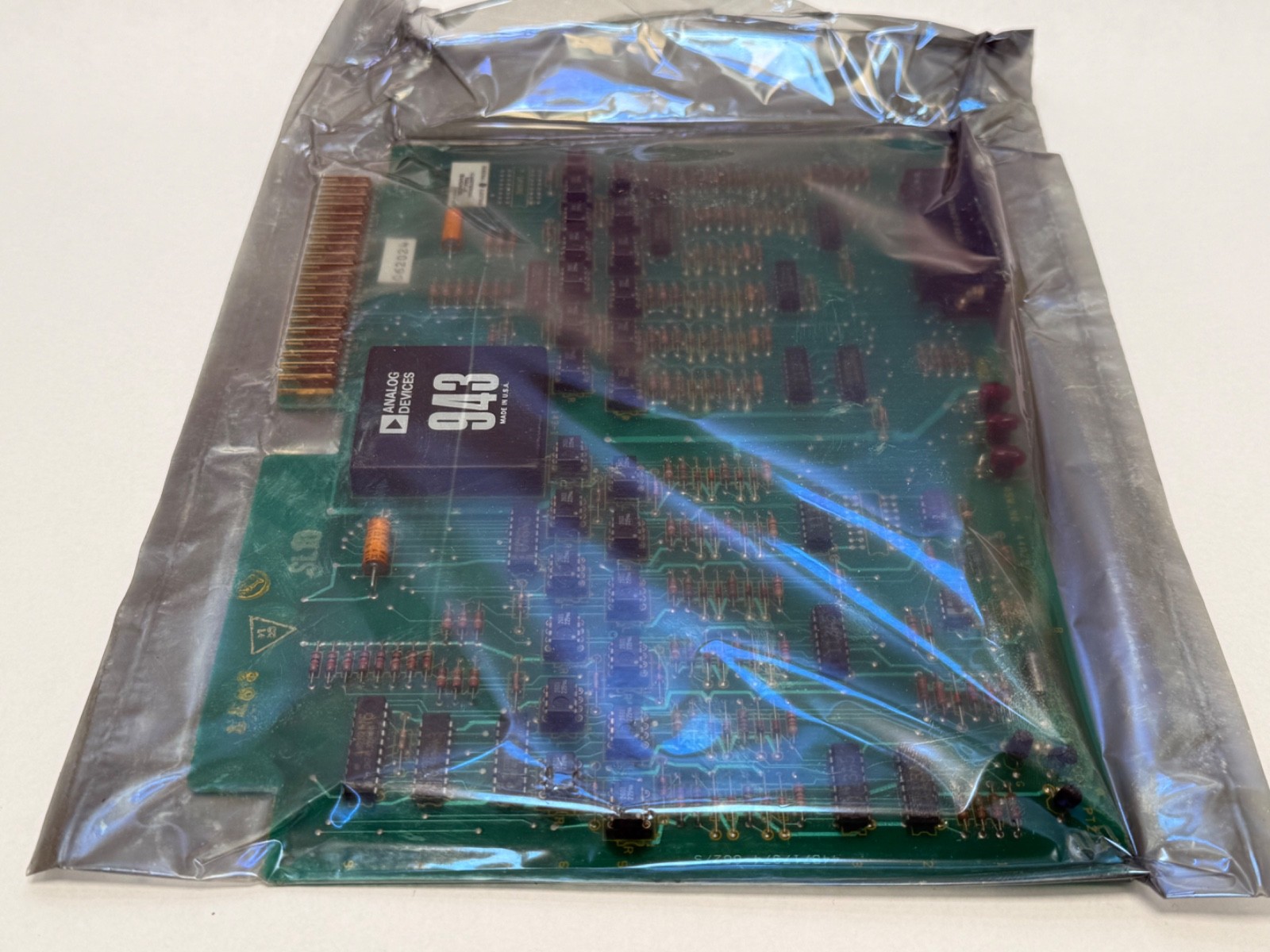
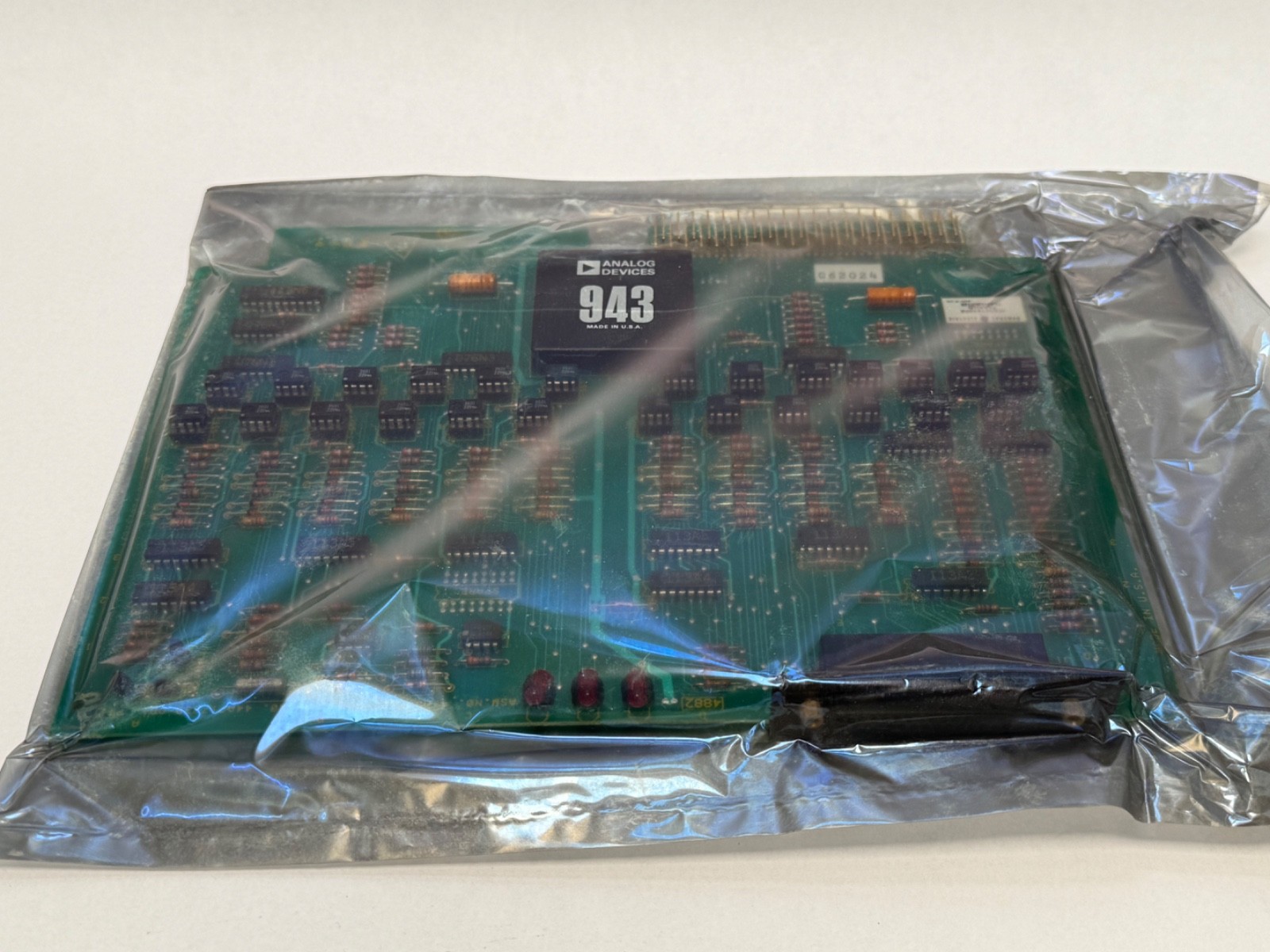
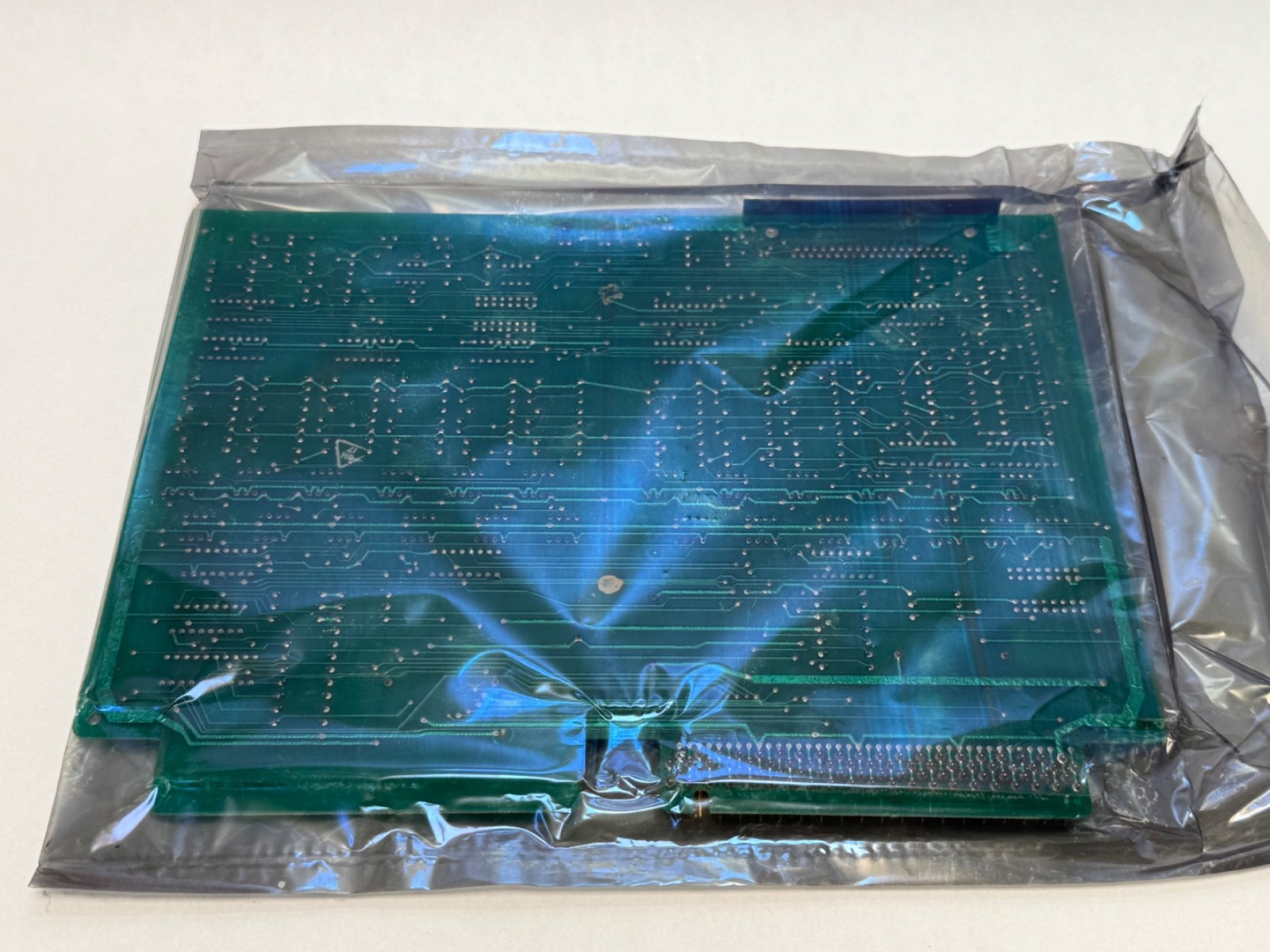
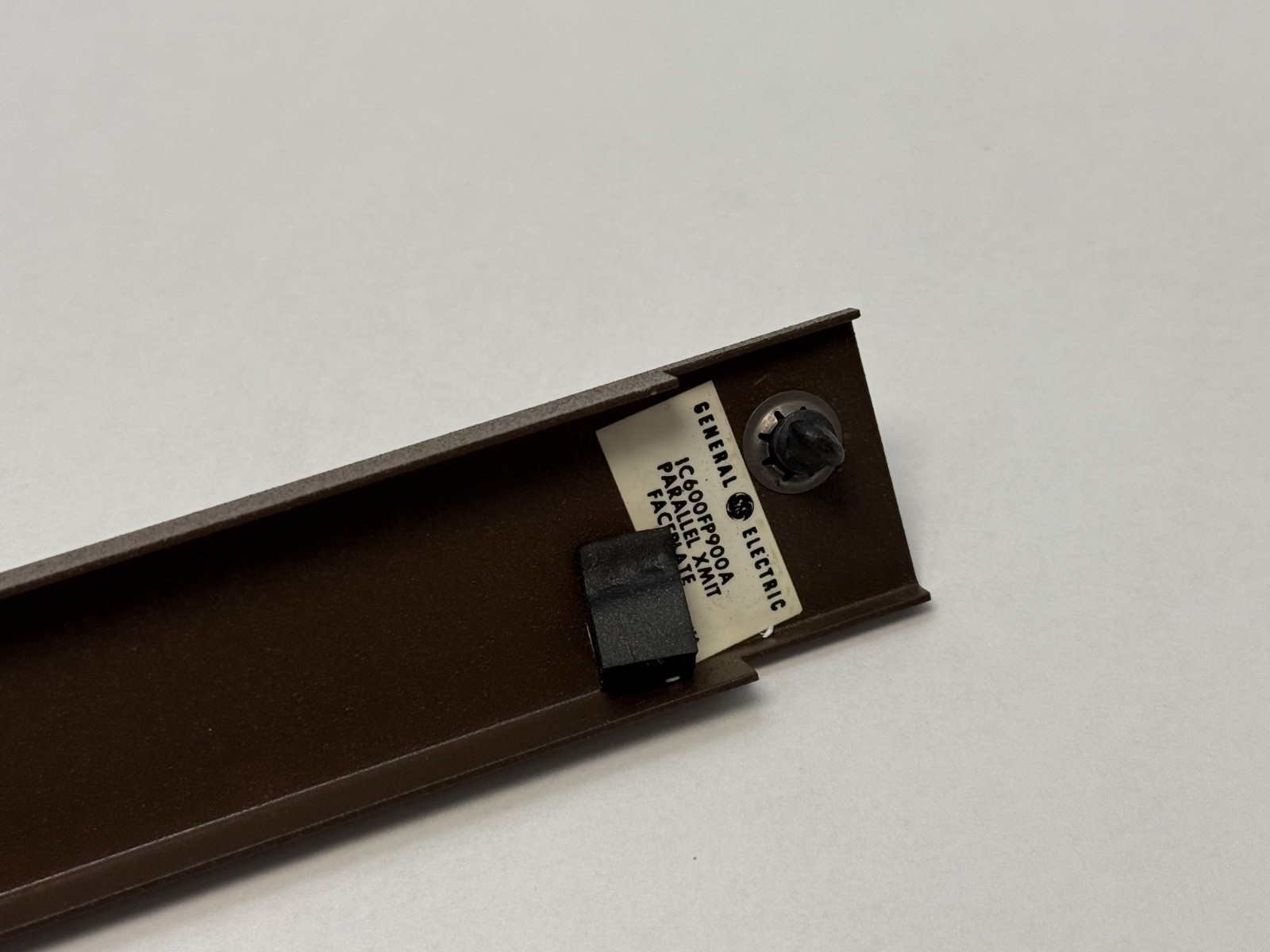
Local I/O transmitter module for Series Six and Model 600/6000 programmable controllers — the rack-end communications card that carries I/O data between the CPU rack and remote I/O racks over coaxial cable, not a discrete output card. Installs in a standard Series Six I/O rack slot, converts parallel backplane traffic to serial, and provides optical isolation between the field cable and backplane logic. For extending Series Six I/O away from the processor. Coaxial cable and mating receiver module are separate.
List Price
$131.72
1 in stock

1 in stock
On the Shelf & Ready to Ship
On all orders

No Risk, No Hassle
Also Available From:
| MFR / Brand | GE |
|---|---|
| MPN | IC600BF900A |
| Condition | New |
|---|---|
| Type | PLC Output Module |
| Base Number | IC600BF900 |
| Industry Terms | local I/O transmitter, remote I/O transmitter card, PLC communications module, coaxial I/O link, Series Six comms card |
| Common Misspellings | IC600BF90OA, IC600 BF900A, IC600BF-900A, IC6OOBF900A |
| Application Types | Remote I/O drops, distributed I/O architecture, legacy Series Six PLC maintenance spares |
| Connector Style | 25-pin D-sub serial; 48-pin backplane edge connector |
| Controller Platform | GE Fanuc Series Six / Model 600 / Model 6000 |
| Mpn Variants | IC600BF900A, IC600BF900, IC600-BF-900-A, IC600 BF 900 A, IC600BF900K, IC600 BF900LCA1, IC600BF900L |
| Manufacturer Status | Discontinued, no factory replacement |
| Compatible With Replaces | GE Fanuc Series Six I/O racks and Model 600 / Model 6000 CPU racks; requires the mating remote I/O receiver module (sold separately) |
| Additional Attributes | Function: local I/O transmitter (NOT a discrete output module); isolation 1500 V AC cable to backplane logic; 2 front LEDs power and data activity; single internal PCB; no batteries or energy storage; link watchdog resets after approx 100 ms inactivity; end-of-line termination switch |
| Min Temp | 0 °C |
| Max Temp | 60 °C |
| Part Number | IC600BF900A |
| Mounting Type | Series Six I/O rack slot |
| Communication Standard | Serial over 75-ohm coaxial cable, up to 153.6 kbit/s |
| Cross Reference 1 | IC600BF900 |
|---|---|
| Cross Reference 2 | IC600-BF-900-A |
| Cross Reference 3 | IC600 BF 900 A |
| Cross Reference 4 | IC600BF900K |
This is a Series Six local I/O transmitter module — a communications card, not an I/O card. In a GE Fanuc Series Six or Model 600/6000 system it sits in the processor end of the link and transmits input and output data between the CPU rack and I/O racks placed away from the processor. It takes the parallel signals off the Series Six backplane, serialises them, and drives them down coaxial cable to the receiving end. Nothing on this module connects to a field device.
Earlier copy on this listing described the IC600BF900A as an output module. It is not, and the difference matters more than most catalogue errors. An output module switches field loads; this module moves I/O data between racks. If you order this expecting sixteen points of 115 VAC switching, nothing on the faceplate will do what you need. Series Six discrete output cards are the IC600BF9xx numbers immediately around it — BF904 (115 VAC 8-point output), BF910 (115 VAC isolated output), BF942 and BF943 (analog output) — which is exactly why the mix-up happens. The 900 in the number is the local I/O transmitter, and it is the reason this card is worth more than a plain output card: communications modules are far scarcer in the surplus channel than I/O.
The brand field on this record reads GE. Series Six is a GE Fanuc Automation product and is traded under both GE and GE Fanuc; both names are correct enough that we have left the field alone, and both are worth searching.
IC600 – GE Fanuc Series Six / Model 600 and 6000 product lineBF – the rack-mounted module block within Series Six900 – local I/O transmitterA – hardware revision letter. Series Six revision letters run A through Z on many part numbers and generally interchange; match the 900 first.
Also written IC600-BF-900-A, IC600 BF 900 A and IC600BF900. Related factory numbering seen in the market includes IC600BF900K and the IC600 BF900LCA1 configured form.
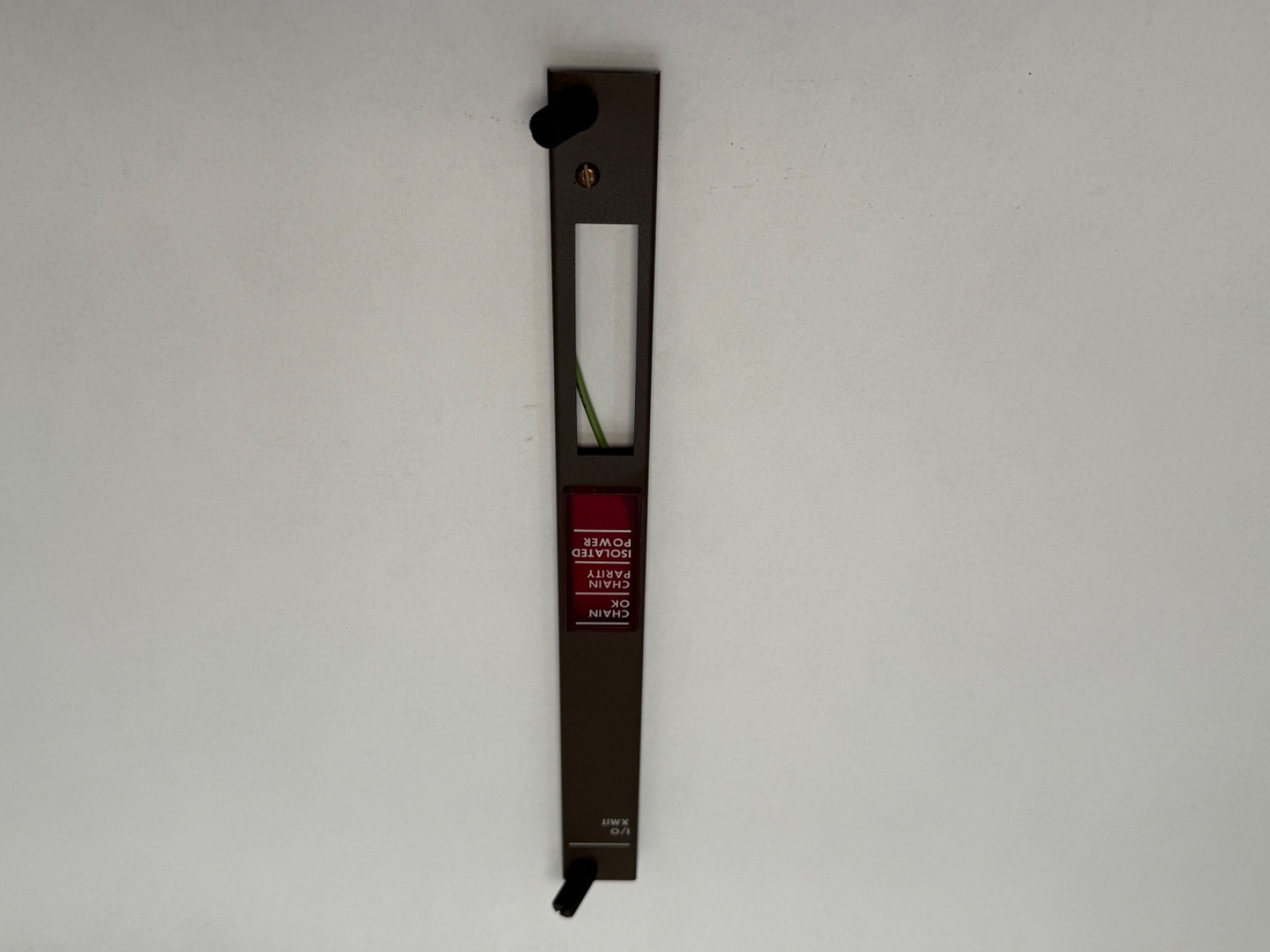
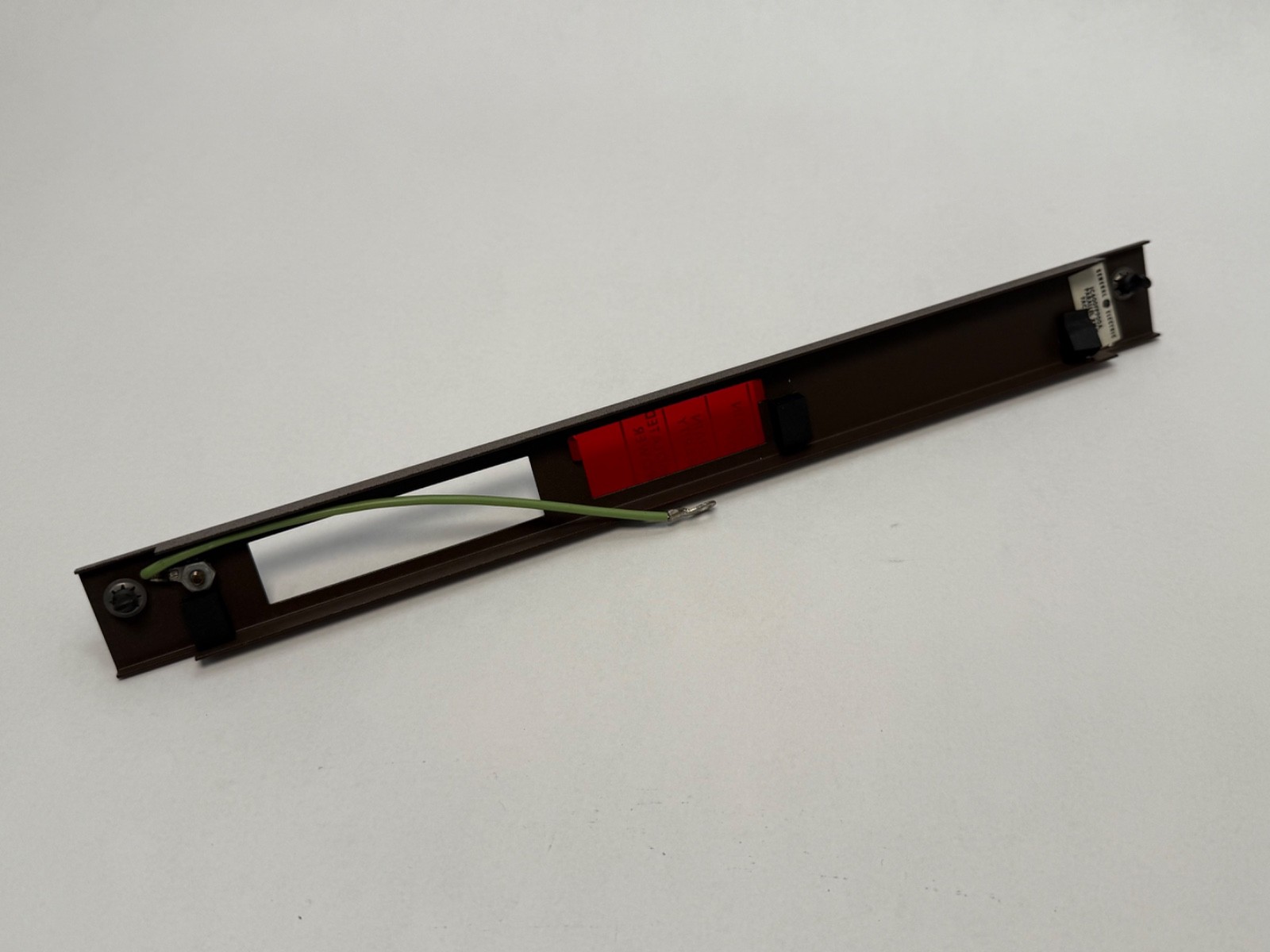
Function: local I/O transmitter — serial link between Series Six CPU rack and remote I/O racksPlatform: GE Fanuc Series Six, Model 600 and Model 6000Slot: any standard Series Six I/O rack slotBackplane interface: 48-pin edge connectorSerial interface: 25-pin D-subCable: 75-ohm coaxialData rate: up to 153.6 kbit/sIsolation: 1500 V AC between field cable and backplane logicStatus indication: two front-panel LEDs, power and data activityOperating temperature: 0 to 60 °CInternal PCBs: oneEnergy storage: none — no batteries, no supercapacitorsWeight: approximately 0.9 kg (1.9 lb) as shipped by dealers; the bare card is lighter
The point of a local I/O transmitter is distance. Instead of running dozens of field wires back to a central rack, you put the I/O rack out near the machine and run one coaxial cable back. On this generation of hardware that buys you a few hundred metres of separation at 153.6 kbit/s, which is slow by any modern standard but entirely adequate for the scan rates a Series Six system runs at. The tradeoff is determinism: every remote rack adds link latency to the I/O update, so time-critical interlocks belong in the CPU rack, not out on the end of the coax.
The 1500 V AC isolation between cable and logic is the specification that keeps a ground-potential difference between two buildings or two motor control centres from destroying the processor. On a plant where the remote rack sits on a different earth reference, that isolation is the whole reason this architecture is safe, and it is a reason not to improvise a substitute.
No batteries and no energy storage on the card means nothing to replace on a surplus unit and nothing that degrades on the shelf. Unlike a Series Six CPU or memory module, a transmitter card that was good when it came out of service is good now.
Transmitter module only, one card. Not supplied: the 75-ohm coaxial cable, connectors or terminators; the mating receiver module at the remote rack end (a transmitter is half a link and useless alone — you need the corresponding receiver); the Series Six I/O rack or CPU rack; the rack power supply; and any terminal cover or documentation. If you are commissioning a new remote drop rather than replacing a failed card, budget for the receiver and the cable run as well.
Snap the module firmly into a standard Series Six rack slot; power the rack down first. Use 75-ohm coaxial cable for the link and set the end-of-line termination switch correctly — an unterminated or double-terminated coax run is the classic cause of intermittent remote-rack dropouts that look like a failed module. The two faceplate LEDs give you power and data activity, so a lit power LED with a dark activity LED points at the cable or the far end rather than at this card. The link watchdog resets communication after roughly 100 ms of inactivity, which means a marginal cable shows up as periodic rack faults rather than a clean failure.
Search forms include IC600BF900A, IC600BF900, IC600-BF-900-A, IC600 BF 900 A, IC600BF900K and IC600 BF900LCA1. Within the 900 designation, revision letters are the interchangeable dimension. IC600BF904, BF910, BF942 and BF943 are different modules in the same rack family — output and analog cards, not equivalents to a transmitter, and not substitutes. Series Six is long discontinued with no factory replacement; surplus, reman and board-level repair are the supply channels, and communications modules are the scarce end of that market.
$151.74
4 in stock
$169.79
5 in stock
$151.74
4 in stock
$160.00
5 in stock
$132.49
1 in stock
$305.20
6 in stock
Nine bearing and power transmission manufacturers raised list prices this
Maintenance is now 65% Slower, but it’s not a labor
When a motor stops running, the first instinct is to find the part that looks
From Caligula’s luxury fleet to modern factories, this is the story of how a single
When sourcing a replacement bearing, you will often find both Timken and SKF options for
Our team can locate, cross-reference, and source all parts.
Sort
Brand
Price
MPN
Categories