Motor Starters vs. Contactors vs. Overload Relays: What Each One Does and Why You Need All Three
When a motor stops running, the first instinct is to find the part that looks
Availability:
2 in stock
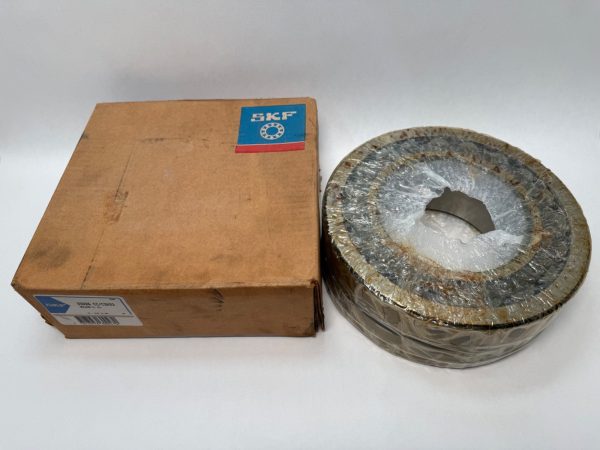
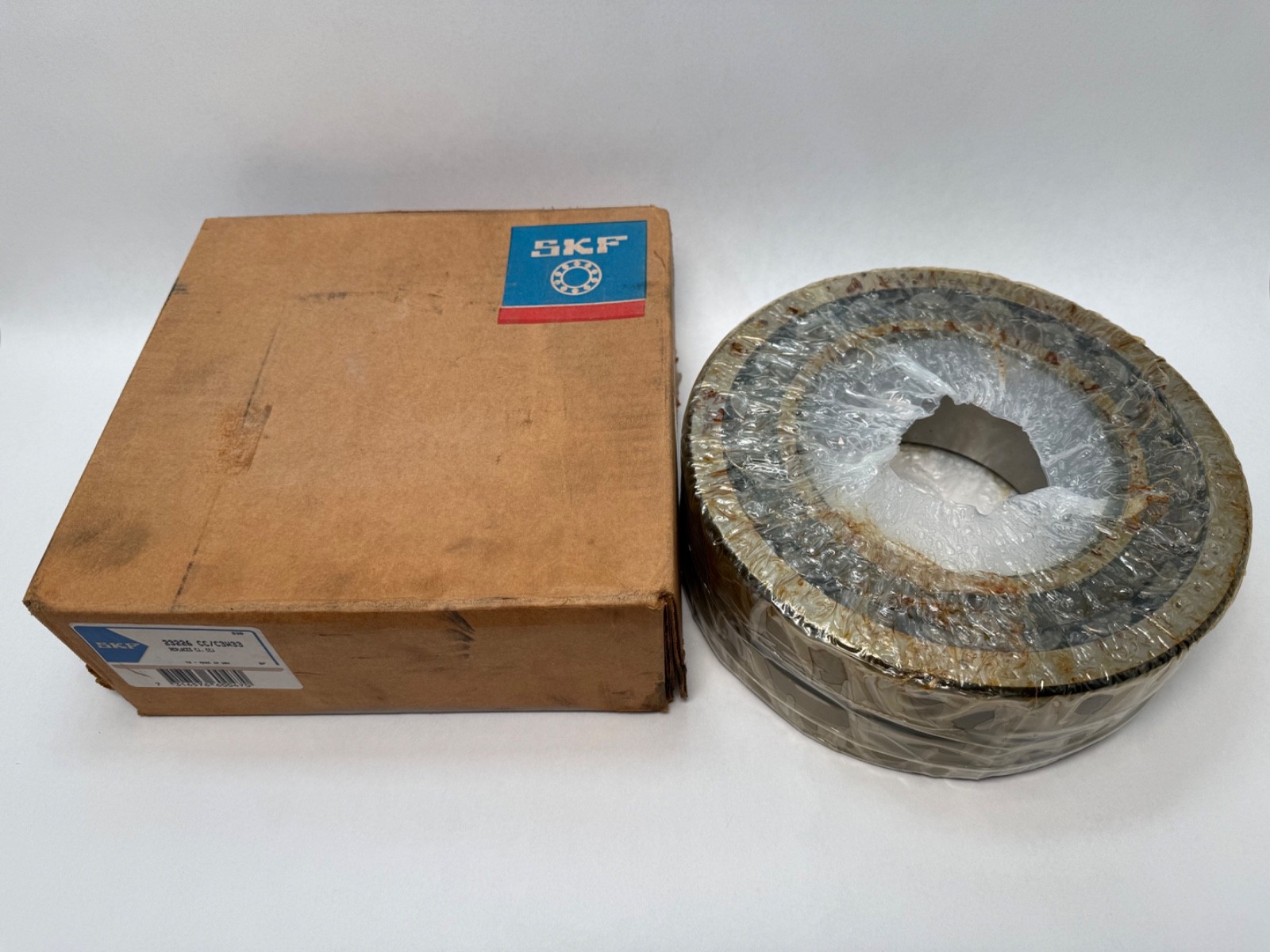
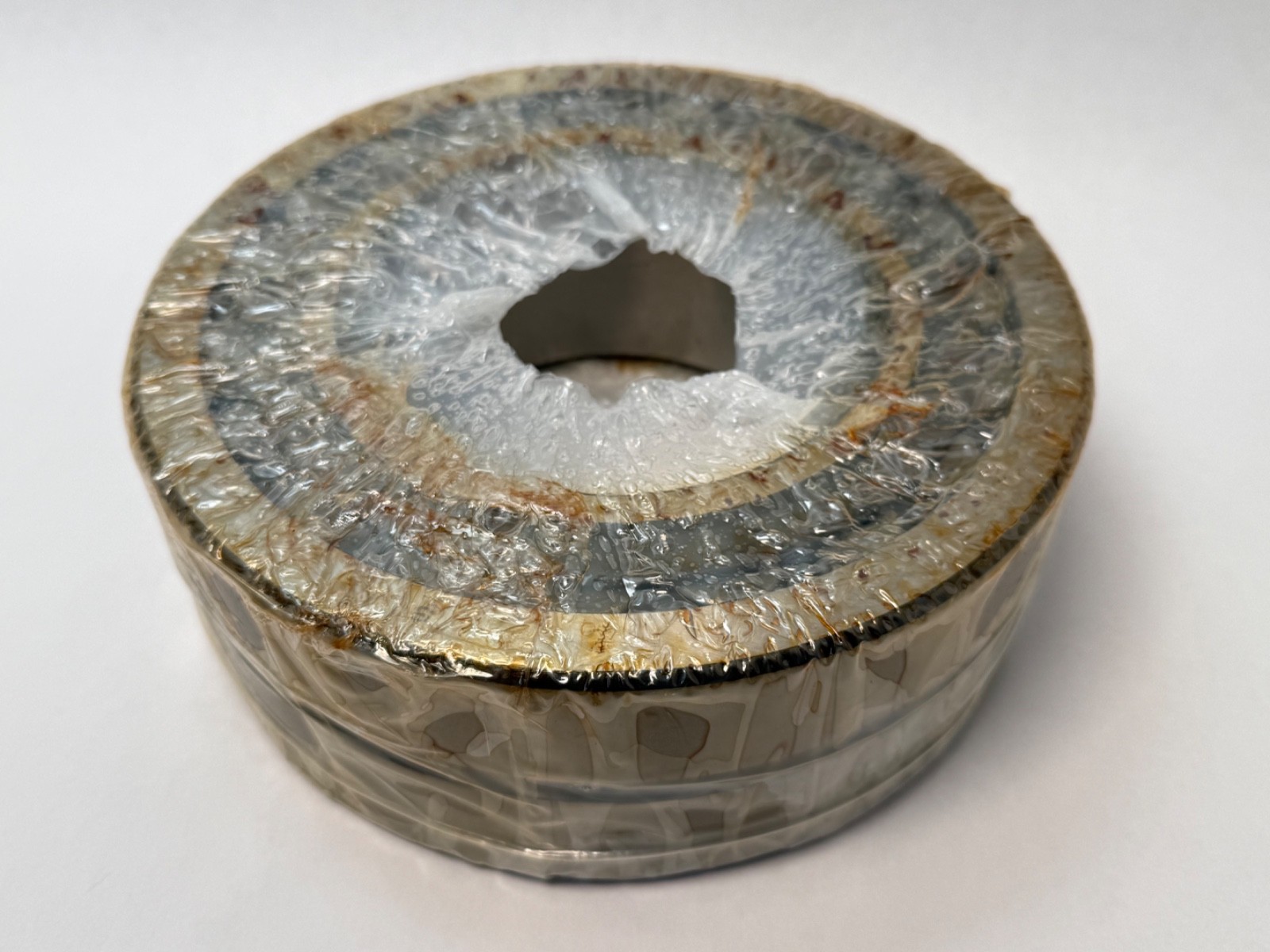
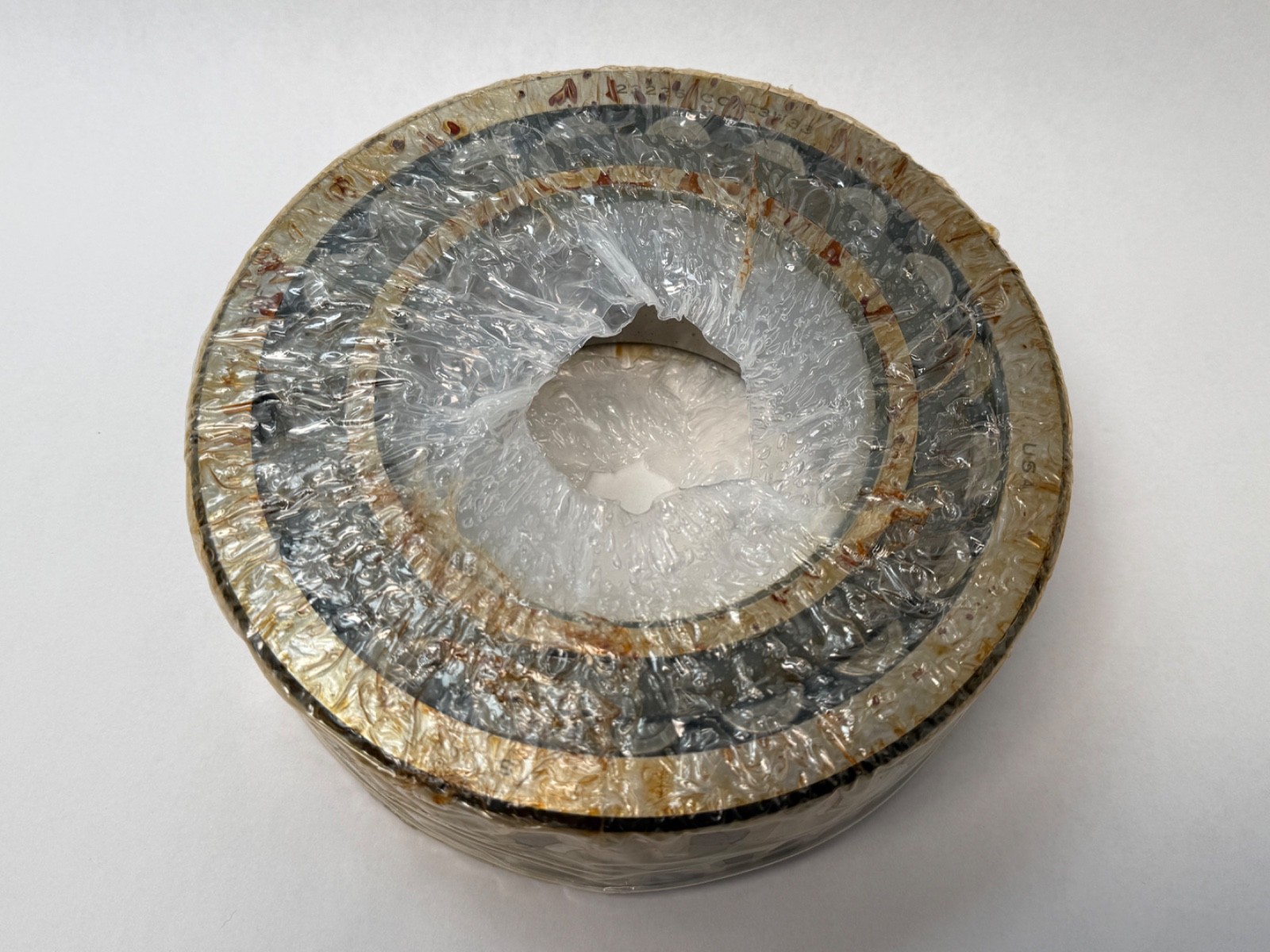
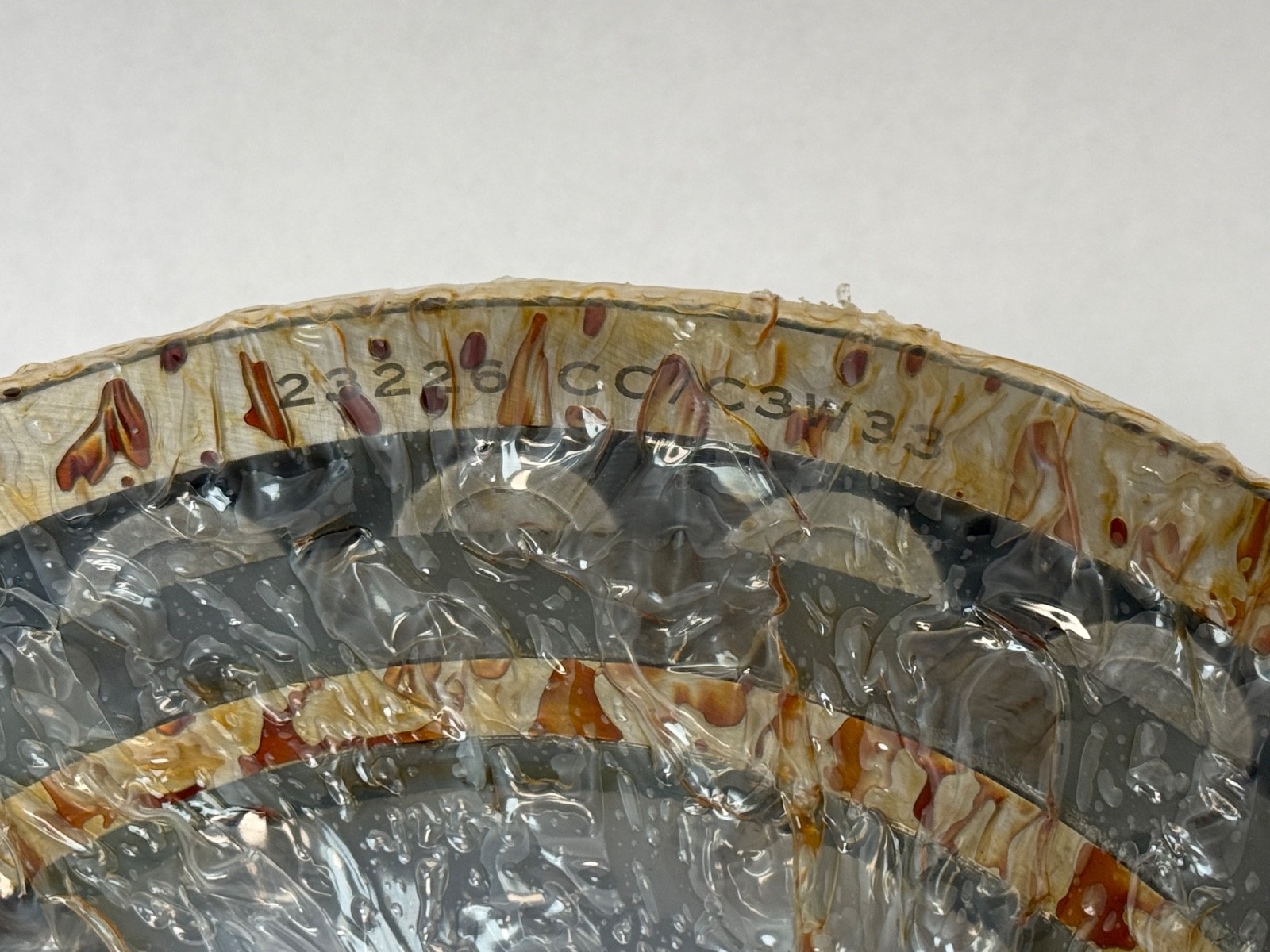
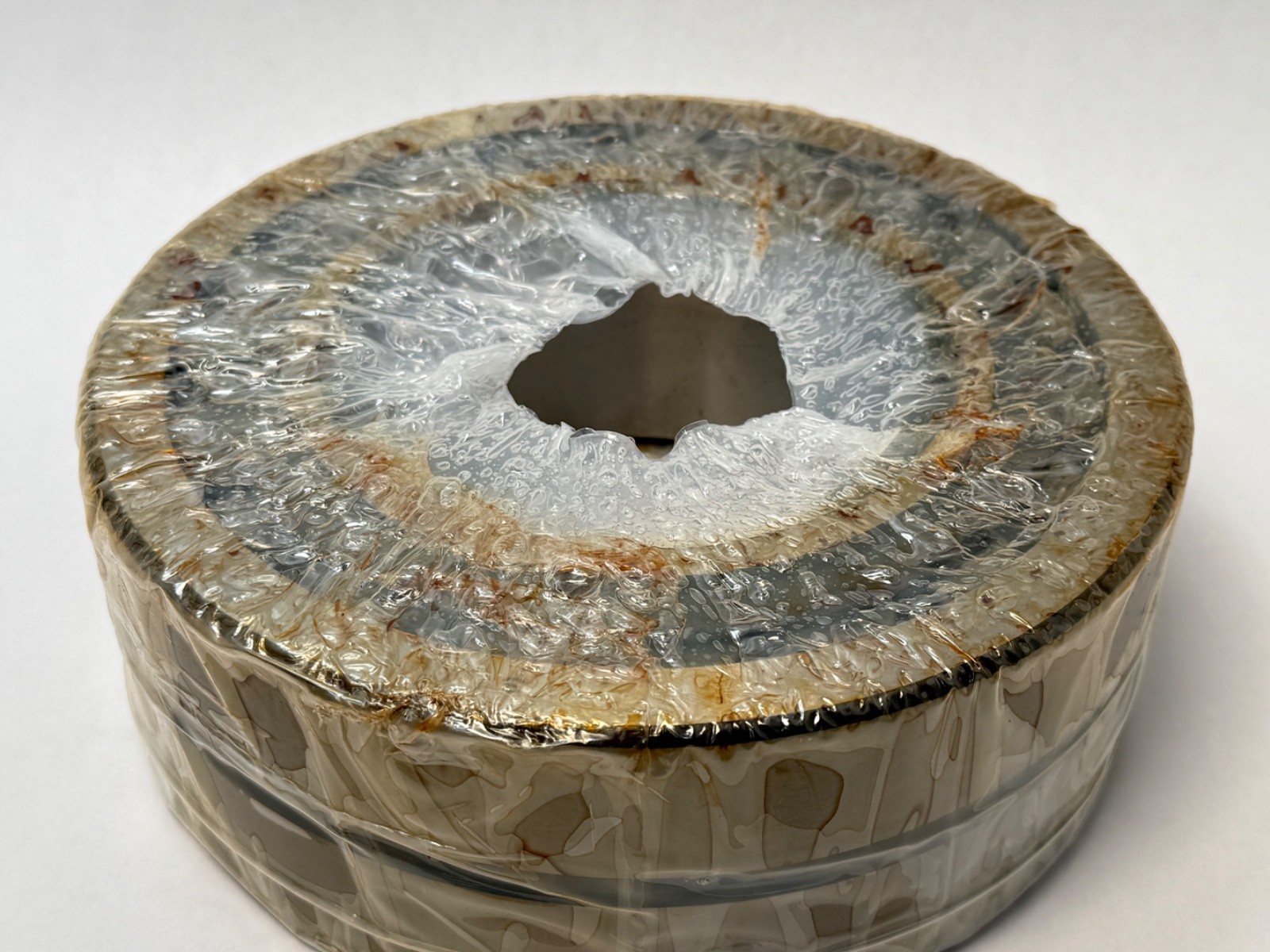
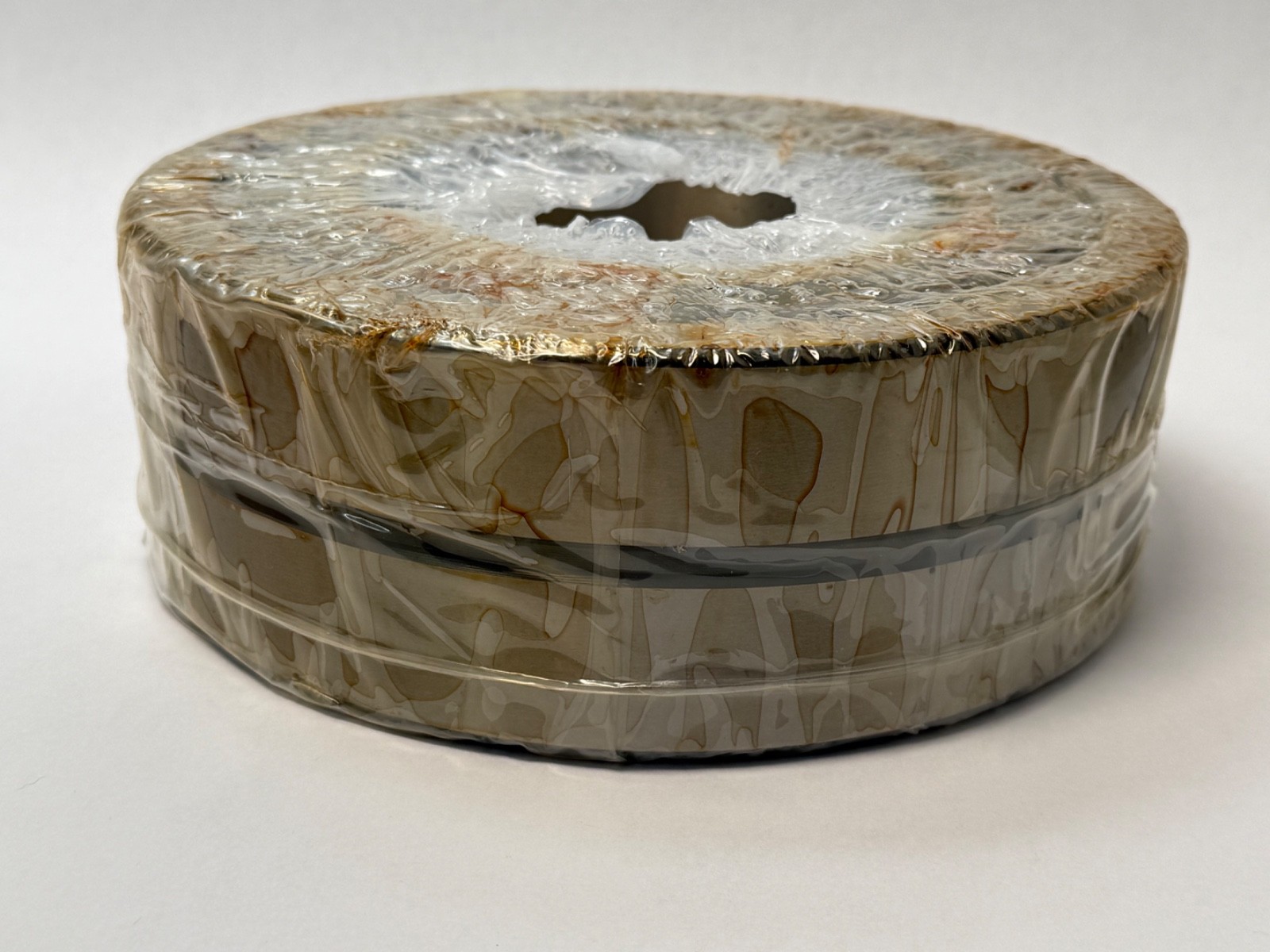
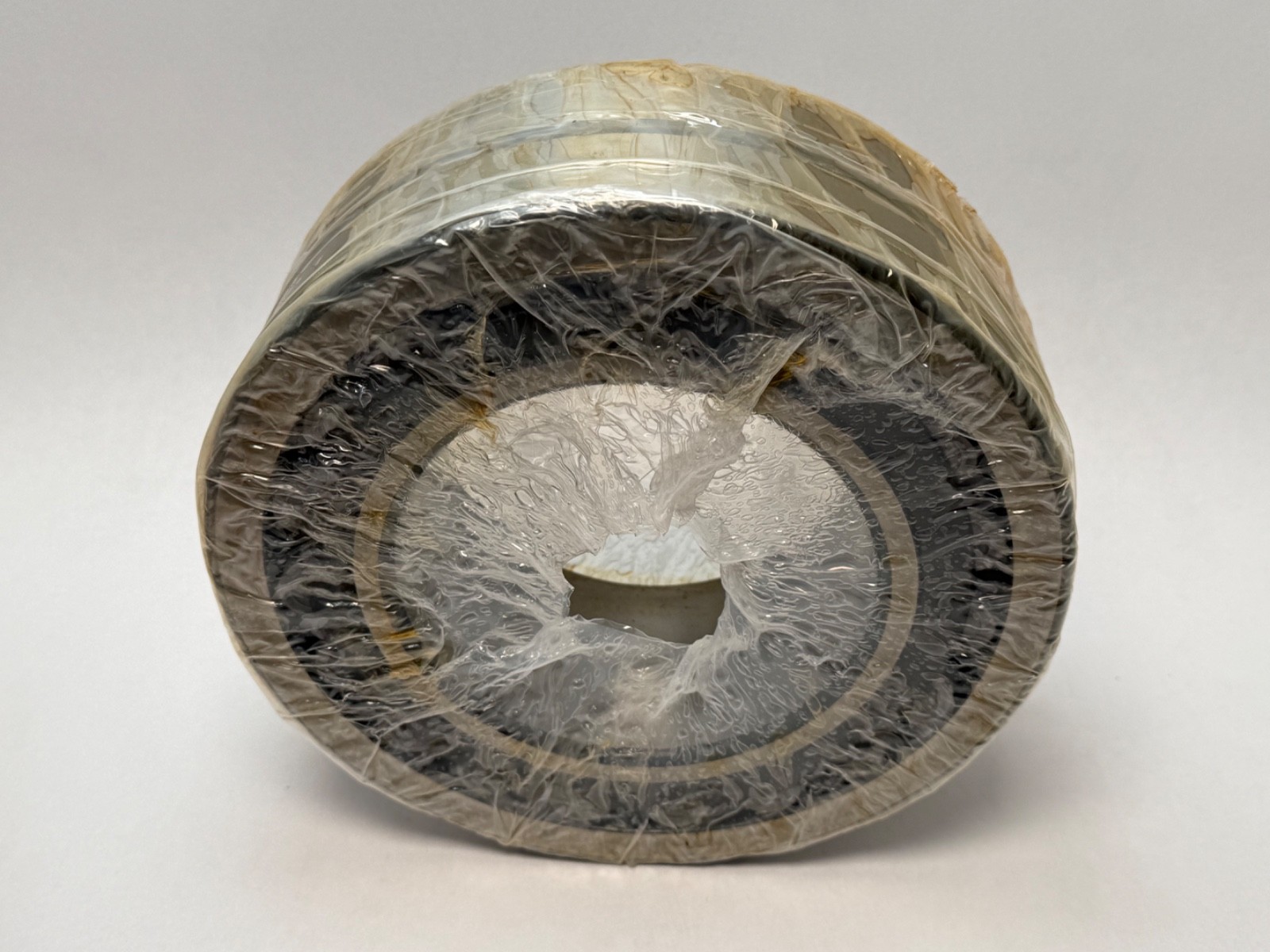
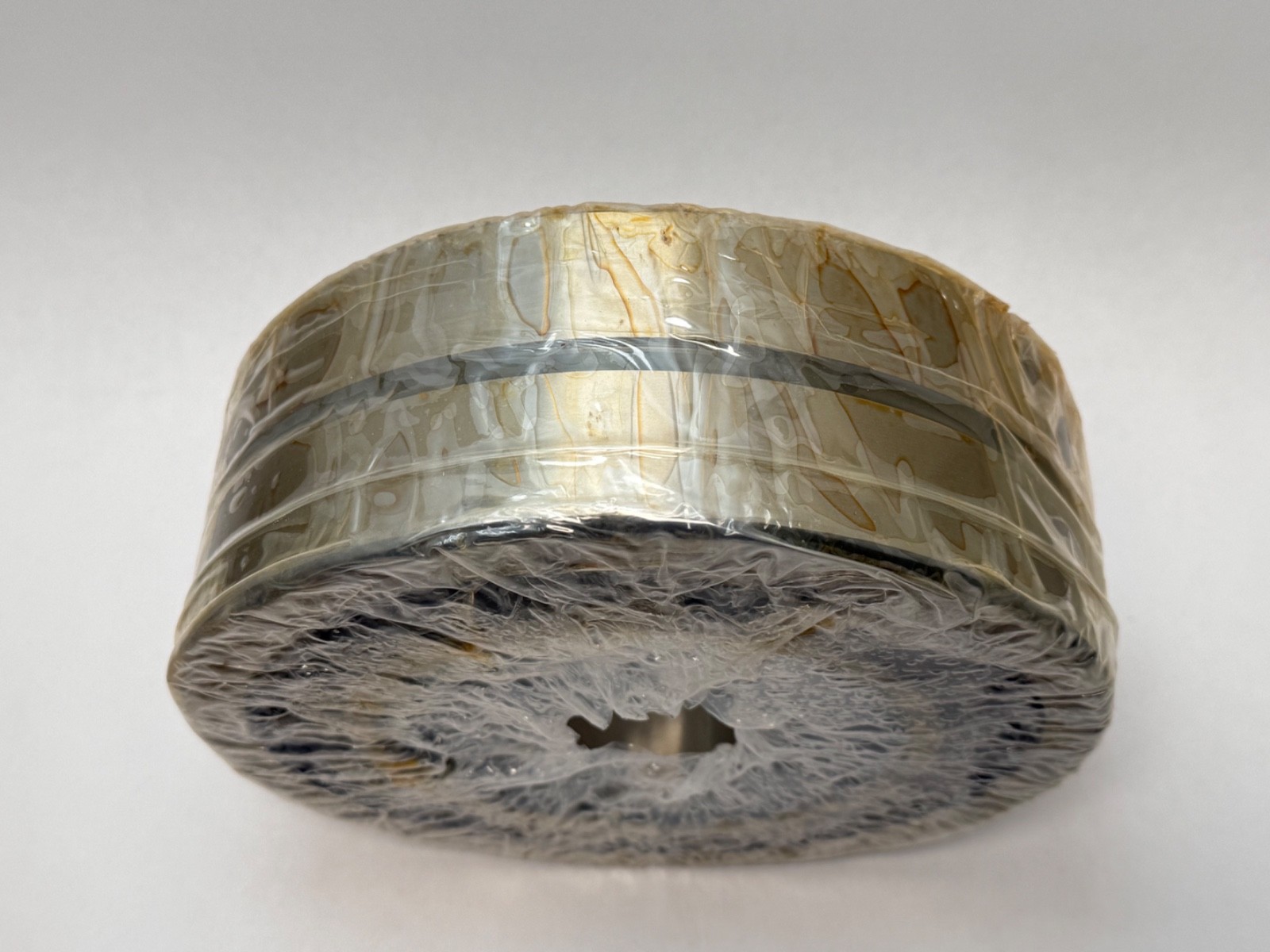
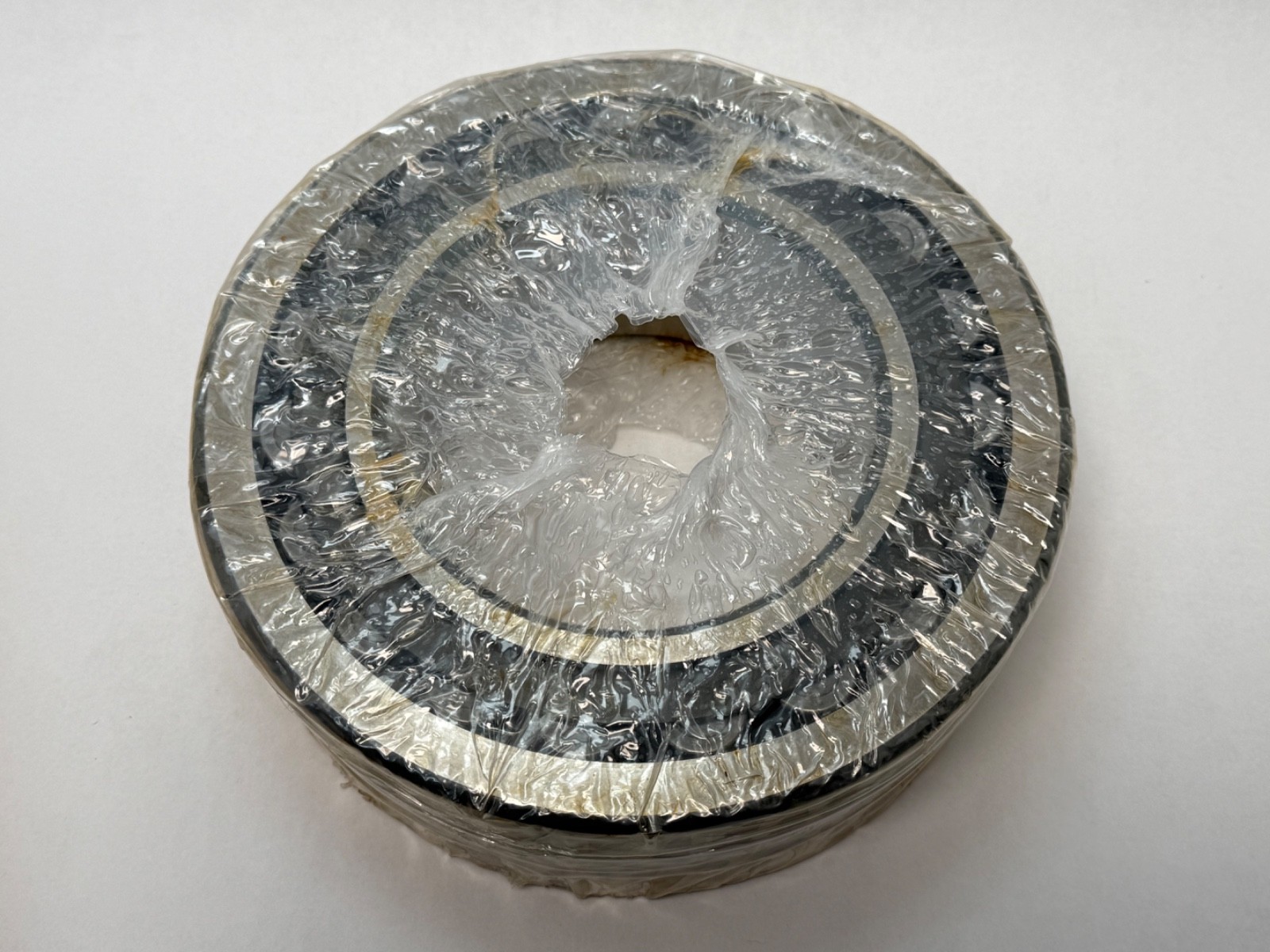
Double-row spherical roller bearing, 130 mm bore x 230 mm OD x 80 mm wide, cylindrical (straight) bore. Two rows of barrel rollers on a common sphered outer raceway, so it self-aligns and absorbs shaft deflection while carrying 826 kN dynamic radial load. C3 internal clearance for interference shaft fits and hot running; W33 outer-ring groove with three holes for relubrication in service.
List Price
$271.71
2 in stock

2 in stock
On the Shelf & Ready to Ship
On all orders

No Risk, No Hassle
Also Available From:
| MFR / Brand | SKF |
|---|---|
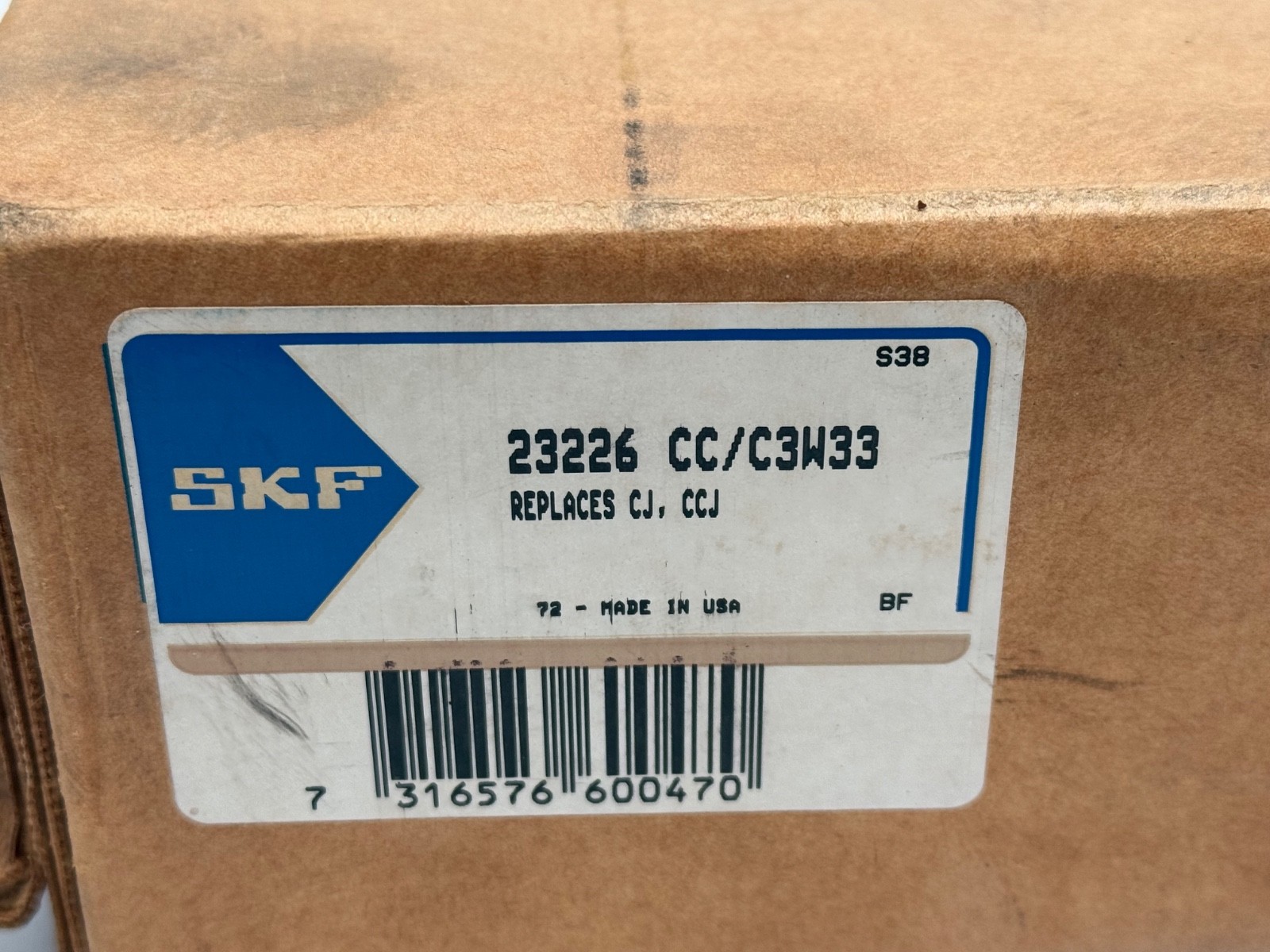
| MPN | 23226-CC/C3W33 |
| Model | 23226 CC C3 W33 23226 CJ 23226 CCJ 23226 CCC3W33 |
| Bearing Type | Spherical Roller Bearing |
| ID | 100 mm |
| OD | 180 mm |
| Width | 46 mm |
| Material | Bearing Steel |
|---|---|
| Condition | New |
| Bore | Straight Bore |
| Relubrication | W33 — annular lubrication groove machined in the outer ring outside diameter with three radial lubrication holes into the bearing interior. Permits in-service relubrication through a ported housing so fresh grease reaches the rollers and purges used grease; the groove distributes grease circumferentially regardless of housing port position. Requires a housing with a matching lubrication port to be of benefit. |
| Base Number | 23226 |
| Common Misspellings | 23226CC C3 W33; 23226 CC/C3/W33; 23226CCW33C3; 23226 C3W33; 22326; 23226CC3W33; 2322 6 CC; spherical roler bearing; sperical roller bearing; self alligning |
| Bore Shaft Size | 130 mm (bore code 26 x 5) — cylindrical / straight bore, not tapered |
| Mpn Variants | 23226 CC/C3W33; 23226-CC/C3W33; 23226CC/C3W33; 23226 CC C3 W33; 23226CCC3W33; 23226 CCJ/C3W33; 23226 CJ/C3W33; 23226CC/C3/W33 |
| Distributor Stock Numbers | Motion Industries MI ITEM #00067549; BDI USA 1418107; EAN/UPC 7316576600470; ASIN B007VHK6D6 |
| Manufacturer Status | SKF active brand. C and CC internal designs largely superseded by SKF's E design (23226 E) on the same boundary dimensions; CC/C3W33 remains catalogued and stocked. |
| Compatible With Replaces | Replaces any 130 x 230 x 80 mm double-row spherical roller bearing with cylindrical bore, C3 radial internal clearance and W33 outer-ring lubrication groove, in SKF, FAG/Schaeffler, Timken, NSK, NTN or Koyo. Match boundary dimensions, cylindrical (non-K) bore and clearance class; cage-code differences between makers are normally acceptable. |
| Precision Class | Normal / ABEC 1 |
| Additional Attributes | Fillet radius r min: 2.5 mm. Permissible operating temperature: to approximately +200°C (+390°F); SKF datasheet range -30 to +200°C. Bore type: straight/cylindrical. Outer ring: not split. Lubrication hole type: hole and groove (three holes). Not obtained and deliberately left blank rather than borrowed: fatigue load limit Pu, permissible misalignment in degrees, abutment dimensions (da, Da, ra) and roller count — these sit on SKF's own product page, which is not directly fetchable. Data tier: SKF-published data read via the SKF datasheet mirrored on RS-Online and via Motion Industries, which reproduces and links SKF's spec sheet; ratings cross-confirmed between the two (185,692 lbf = 826 kN, 238,297 lbf = 1,060 kN). |
| Item Weight | Approximately 14.15 kg (31.3 lb) |
| Cage Material | Pressed sheet steel (bearing steel) |
| Limiting Speed | 2,600 r/min limiting speed; 1,900 r/min reference speed |
| Number Of Rows | 2 |
| Design Units | Metric |
| Bearing Material | Through-hardened bearing steel |
| Part Number | 23226 CC/C3W33 |
| Cross Reference 1 | 23226 — ISO base number, 130 x 230 x 80 mm |
|---|---|
| Cross Reference 2 | 23226 CC/W33 — same bearing with Normal clearance instead of C3; correct only if the position was designed for Normal |
| Cross Reference 3 | 23226 CCJ/W33 and 23226 CJ/W33 — alternate SKF cage/guide-ring executions, same boundary dimensions |
| Cross Reference 4 | 23226 CCK/W33 — 1:12 TAPERED bore for sleeve mounting; NOT interchangeable with this cylindrical-bore bearing |
| Cross Reference 6 | FAG / Schaeffler 23226 pattern, Timken 23226, NSK 23226, NTN 23226, Koyo 23226 — same-envelope cross-brand equivalents with each maker's own cage and clearance suffixes |
| Cross Reference 7 | 22226 — narrower dimension series on the same 130 mm bore; NOT a substitute |
| Cross Reference 8 | 23220 — the 100 mm-bore member of this same 232 series |
| Cross Reference 9 | 22220 CC/W33 — the 100 x 180 x 46 mm bearing that this listing's ORIGINAL (incorrect) dimension data actually described; retained so buyers arriving on those figures land correctly |
A double-row spherical roller bearing — the heavy-duty, self-aligning workhorse of industrial rotating equipment. Two rows of barrel-shaped rollers run on a common sphered outer raceway. Because that outer raceway is a section of a sphere, the whole inner ring and roller assembly can swivel inside the outer ring. The bearing therefore accommodates static misalignment (a housing bored off-line, two pillow blocks that are not coplanar, a fabricated frame that has moved) and dynamic misalignment (shaft deflection under load, a rotor bending between supports) with virtually no increase in friction or temperature.
What it gives you in exchange is enormous radial capacity — 826 kN dynamic, 1,060 kN static on this size — plus axial capacity in both directions, because the two roller rows are inclined toward each other. That combination is why spherical roller bearings dominate positions where load is high and alignment cannot be guaranteed: vibrating screens, crushers, mill trunnions, fan and blower shafts, conveyor pulleys and head shafts, papermaking rolls, gearbox output shafts, rolling-mill work and back-up rolls.
This one has a cylindrical (straight) bore, not a tapered bore, so it mounts directly onto a shaft seat with an interference fit — no adapter sleeve, no withdrawal sleeve, no clearance-setting by drive-up.
232 — the dimension series. Spherical roller series 232 is the heavy, wide, steep-angle family: for a given bore it is markedly wider and takes more axial load than a 222 or 231. This is the series you specify when radial load is severe and the position also has to hold thrust.
26 — the bore code. Multiply by 5: 26 x 5 = 130 mm bore. This is the standard ISO bore-code arithmetic for codes 04 and above, and it is the single most useful check you can run on a spherical roller number.
CC — SKF’s internal-design and cage execution code for this family: two window-type pressed sheet-steel cages with a loose guide ring centred on a flangeless inner ring, and rollers guided by the inner-ring guide flange arrangement. It is a cage and internal design code — it says nothing about fit or clearance, which are separate codes.
C3 — radial internal clearance greater than Normal. See the section below; on this bearing type it is a real engineering decision, not a preference.
W33 — an annular lubrication groove machined into the outside diameter of the outer ring, with three radial lubrication holes through into the bearing. See below.
No K — cylindrical bore. A K in the designation (23226 CCK/W33) would mean a 1:12 tapered bore for sleeve mounting. K and non-K are not interchangeable: the shaft seat is machined differently.
On the cage codes you may see quoted against this number: CC, CJ and CCJ differ in cage and guide-ring execution, not in boundary dimensions. SKF catalogues this bearing as 23226 CC/C3W33, and that is what is described here; CJ and CCJ forms are retained as search cross-references only. SKF has since largely superseded C and CC internal designs with its E design (23226 E), which shares the same boundary dimensions but has higher load ratings — so an E-design bearing will fit the same housing and shaft, but do not carry the ratings across in either direction.
Our original listing carried the designation 23226 CC/C3W33 alongside the dimensions 100 x 180 x 46 mm. Those two statements cannot both be true, and we have resolved it rather than publish both.
The designation is correct and the dimensions were wrong. The corrected dimensions are 130 x 230 x 80 mm. Three independent lines of evidence:
The bore code proves it internally. In 23226, the bore code 26 decodes to 130 mm. A 100 mm bore in the 232 series would be numbered 23220, not 23226.
The barcode on our own record agrees with the number, not the dimensions. The EAN/UPC recorded against this item, 7316576600470, is SKF’s own article code for 23226 CC/C3W33, 130 x 230 x 80 mm. A barcode is assigned by SKF per designation, so it is an independent confirmation of identity that does not depend on anyone having typed the dimensions correctly.
Every published source agrees on 130 x 230 x 80. SKF’s datasheet for 23226 CC/W33 and the major distributor listings for 23226 CC/C3W33 all give 130 x 230 x 80 mm and a mass of about 14.15 kg.
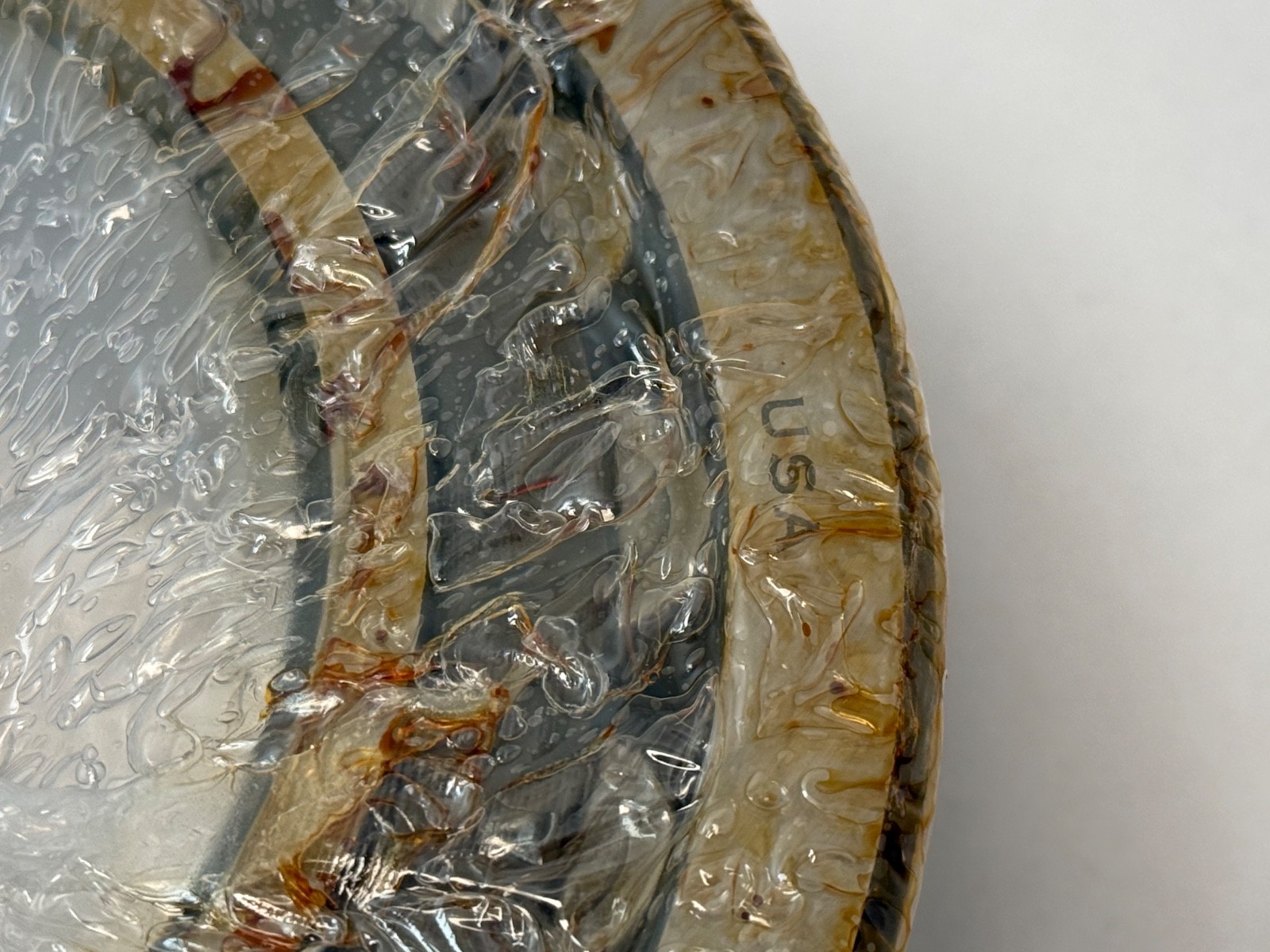
For completeness: 100 x 180 x 46 mm is the envelope of a 22220, a different bearing in a different (narrower) series. If that is the size you actually need, 23226 is not it — ask us and we will check stock on 22220 rather than sell you the wrong bearing. We have also removed a claim of United States manufacture that appeared in the old copy and that we cannot substantiate for this designation.
Why you would want C3 and when it bites you:
Radial internal clearance is the total distance the inner ring can move radially relative to the outer ring before load is applied. C3 is greater than Normal. You do not choose it for comfort — you choose it because the bearing will lose clearance once it is installed and running, and C3 is the allowance for that loss.
Interference fit on the shaft. Pressing a cylindrical-bore bearing onto an oversize shaft seat stretches the inner ring. The raceway grows, and the operating clearance falls below the as-supplied figure. A heavy shaft fit on a 130 mm bore removes a substantial fraction of Normal clearance on its own.
Thermal gradient across the rings. In service the inner ring runs hotter than the outer ring, because it is closer to the heat source and has less contact with the housing and the surrounding air. The inner ring expands more than the outer ring, and the difference is subtracted directly from operating clearance. In a hot position — a fan bearing on hot gas, a kiln or dryer roll, a mill with high frictional input — this term dominates.
Add a heavy interference fit to a hot-running position and Normal clearance can go to zero. A spherical roller bearing with zero operating clearance is preloaded by its own installation: contact stress rises, the rollers skew and scuff instead of rolling freely, friction and temperature climb, and the temperature rise removes still more clearance. That is a runaway, and it ends in a seized or heat-discoloured bearing in a fraction of its calculated life.
It fails the other way too, which is the part people forget. Fit C3 where Normal was specified — a light or loose shaft fit, a cool-running position, a moderate load — and you are left with excessive operating clearance. Then the load zone shrinks: instead of the load being shared across many rollers, it concentrates on the few at the bottom, so contact stress goes up and fatigue life goes down. The rotor also gains radial float, which shows up as increased vibration, higher noise, roller skidding in the unloaded zone, and shaft runout that a precision position will not tolerate. On a lightly loaded high-speed shaft, excess clearance can let the unloaded rollers slide rather than roll, which smears the raceway.
So the honest guidance is: C3 is right for an interference shaft fit, elevated or uneven operating temperature, or a heavily loaded position; C3 is wrong as a general-purpose upgrade. If the machine’s manual, the OEM parts list or the bearing you removed calls for Normal clearance (no C-suffix), buy 23226 CC/W33 instead of this one. Match what the position was designed for.
W33 is not a trim detail — on a bearing of this size and cost it is often the deciding feature. It means the outer ring has a groove turned around its outside diameter and three holes drilled radially inward from that groove into the bearing interior.
The point is that grease can be delivered into the rolling elements while the machine is assembled and running. A housing with a matching grease passage feeds the groove; the groove distributes grease circumferentially all the way round the outer ring regardless of the housing port’s position; the three holes carry it inward to the rollers. Fresh grease reaches the working surfaces and purges the used grease out through the seals, taking oxidised lubricant, water and wear debris with it.
Grease has a finite life, shorter than the bearing’s fatigue life, and shorter still when it is hot, wet or contaminated. On a bearing this size, a greased-for-life approach means the grease, not the steel, sets the replacement interval.
Relubricating in place turns a shutdown-and-strip job into a grease-gun job on a running machine — the difference between a scheduled five-minute task and a production outage.
The three holes and the groove get grease to the rollers rather than just into the housing cavity, which is what happens if you pump grease at a plain outer ring and hope.
It is also what makes automatic single-point lubricators and centralised lubrication systems worth fitting to the position.
Check the housing before you buy. W33 only pays off if the housing has a lubrication port that lands on the outer-ring groove. In a plain housing with no port the bearing works perfectly well — the groove and holes simply sit unused — so W33 is never a disadvantage, but you get nothing for it either.
Bore (d): 130 mm — cylindrical, straight
Outside diameter (D): 230 mm
Width (B): 80 mm
Fillet radius (r min): 2.5 mm
Basic dynamic load rating C: 826 kN (185,692 lbf)
Basic static load rating C0: 1,060 kN (238,297 lbf)
Reference speed: 1,900 r/min
Limiting speed: 2,600 r/min
Rows: 2. Rolling elements: spherical (barrel) rollers on a common sphered outer raceway
Cage: two window-type pressed sheet-steel cages, bearing steel, with a loose guide ring
Radial internal clearance: C3, greater than Normal
Closure: open, no seals or shields
Relubrication feature: W33 — annular groove in the outer ring OD plus three radial lubrication holes
Tolerance class: Normal / ABEC 1
Permissible operating temperature: to approximately +200°C (+390°F)
Mass: approximately 14.15 kg (31.3 lb)
Each unit is one complete bearing — inner ring, both roller rows, both cages, guide ring and outer ring, as a non-separable assembly. Not a pair, not a set, and not a component of a larger unit. There is no adapter sleeve, withdrawal sleeve, locknut, lockwasher or housing supplied or implied; a cylindrical-bore bearing does not use a sleeve.
We hold two pieces. If the machine has bearings at both ends of the shaft and you intend to change both, take both while they are available — this is a large, long-lead-time size and a matched replacement interval on the pair is worth having.
Confirm the bore before ordering: this is a 130 mm shaft. If your shaft is 100 mm you are looking at the wrong bearing — see the source-data section above.
Mount by heating, not by force. Induction heat or oil-bath the inner ring to roughly 80°C to 110°C above ambient handling temperature and slide it onto the seat; do not exceed about 120°C. A 130 mm interference fit is not a press-and-hope job and driving on a cold ring damages raceways.
Never transmit mounting force through the rollers. Push only on the ring that is being fitted.
Because the outer raceway is sphered, the bearing will happily sit misaligned — that is the design intent, but it also means it will not self-correct a grossly bored housing. Keep misalignment inside SKF’s permissible figure for the series; the self-aligning capability is there to absorb residual error and deflection, not to excuse bad machining.
Fit the outer ring so the W33 groove lines up with the housing’s lubrication port if there is one, and verify grease actually reaches the rollers on first lubrication.
Set the axial arrangement deliberately: one position located, the other free to float, or thermal shaft growth will axially load a bearing that was never meant to take it.
Purge the bearing of preservative and charge it with the correct grease or oil before running. Do not run a large spherical roller bearing dry, even briefly.
Same bearing, different punctuation — all of these are this part: 23226 CC/C3W33, 23226-CC/C3W33, 23226CC/C3W33, 23226 CC C3 W33, 23226CCC3W33.
The ISO base number is 23226, and the 130 x 230 x 80 mm envelope with a cylindrical bore and W33 lubrication feature is made by every major manufacturer, so cross-brand equivalents exist under FAG/Schaeffler, Timken, NSK, NTN, Koyo and others as 23226 CC/W33-pattern numbers with each maker’s own cage and clearance suffixes. Match three things when you cross it: the 130 x 230 x 80 boundary dimensions, the cylindrical (non-K) bore, and the clearance class. Cage code differences between makers are usually acceptable; a clearance mismatch is not, for the reasons set out above.
Close numbers that are not substitutes: 23226 CC/W33 is the same bearing with Normal clearance instead of C3 — correct only if the position was designed for Normal. 23226 CCK/W33 has a 1:12 tapered bore for sleeve mounting and needs a different shaft seat. 23226 E and 23226 CC without W33 lose the relubrication groove and holes. 22226 is a different, narrower dimension series on the same 130 mm bore. 23220 is the 100 mm-bore member of this series. 22220 CC/W33 is the 100 x 180 x 46 mm bearing that our old dimension data actually described.
$225.94
16 in stock
$44.26
14 in stock
$44.34
55 in stock
$108.47
30 in stock
Nine bearing and power transmission manufacturers raised list prices this
Maintenance is now 65% Slower, but it’s not a labor
When a motor stops running, the first instinct is to find the part that looks
From Caligula’s luxury fleet to modern factories, this is the story of how a single
When sourcing a replacement bearing, you will often find both Timken and SKF options for
Our team can locate, cross-reference, and source all parts.
Sort
Brand
Price
MPN
Categories