Motor Starters vs. Contactors vs. Overload Relays: What Each One Does and Why You Need All Three
When a motor stops running, the first instinct is to find the part that looks
Availability:
7 in stock
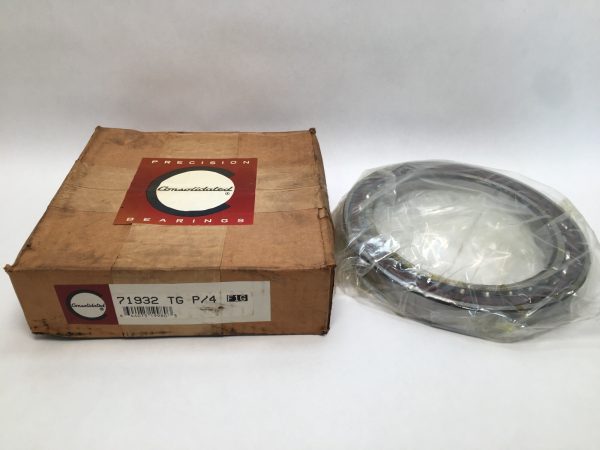
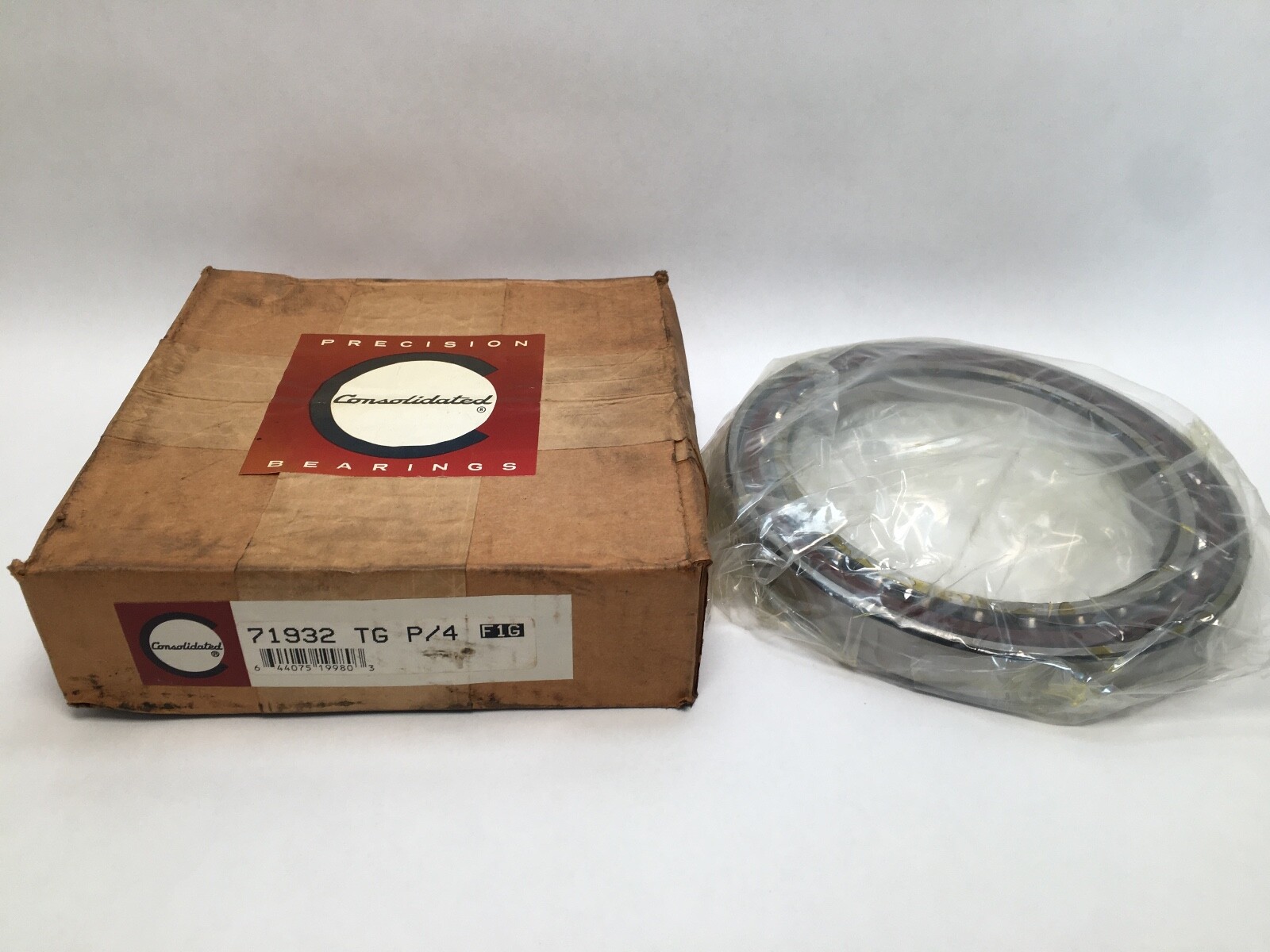
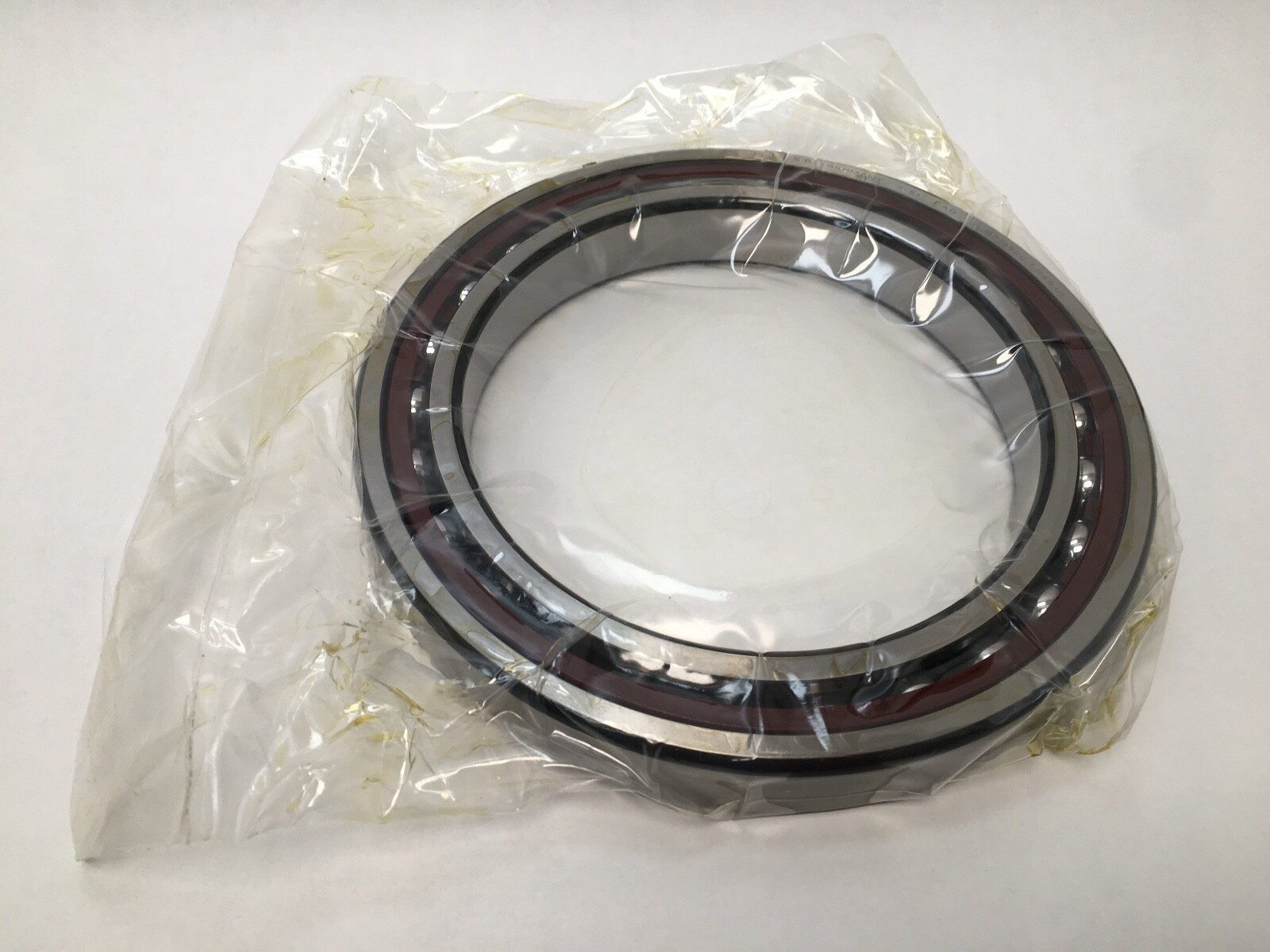
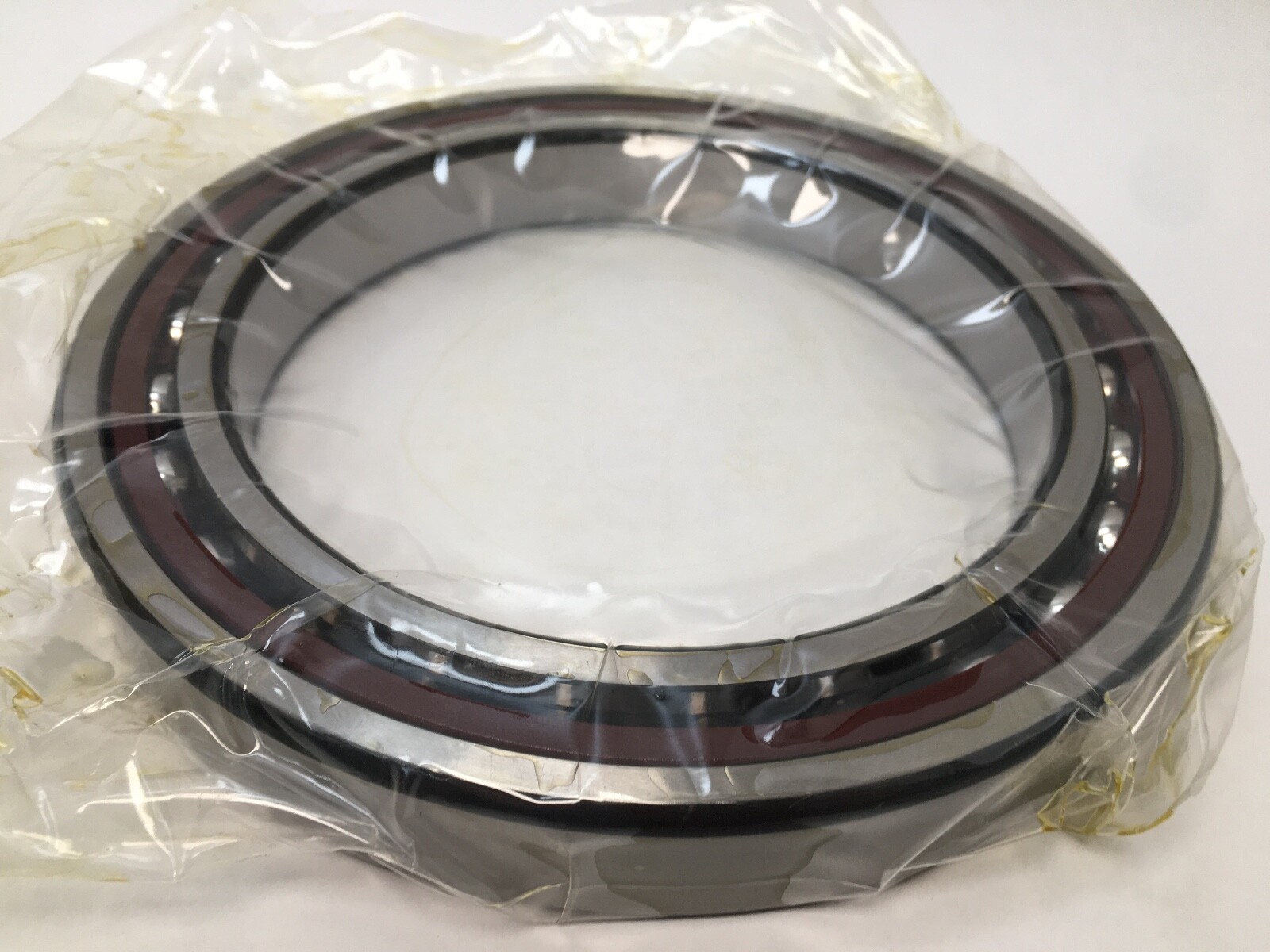
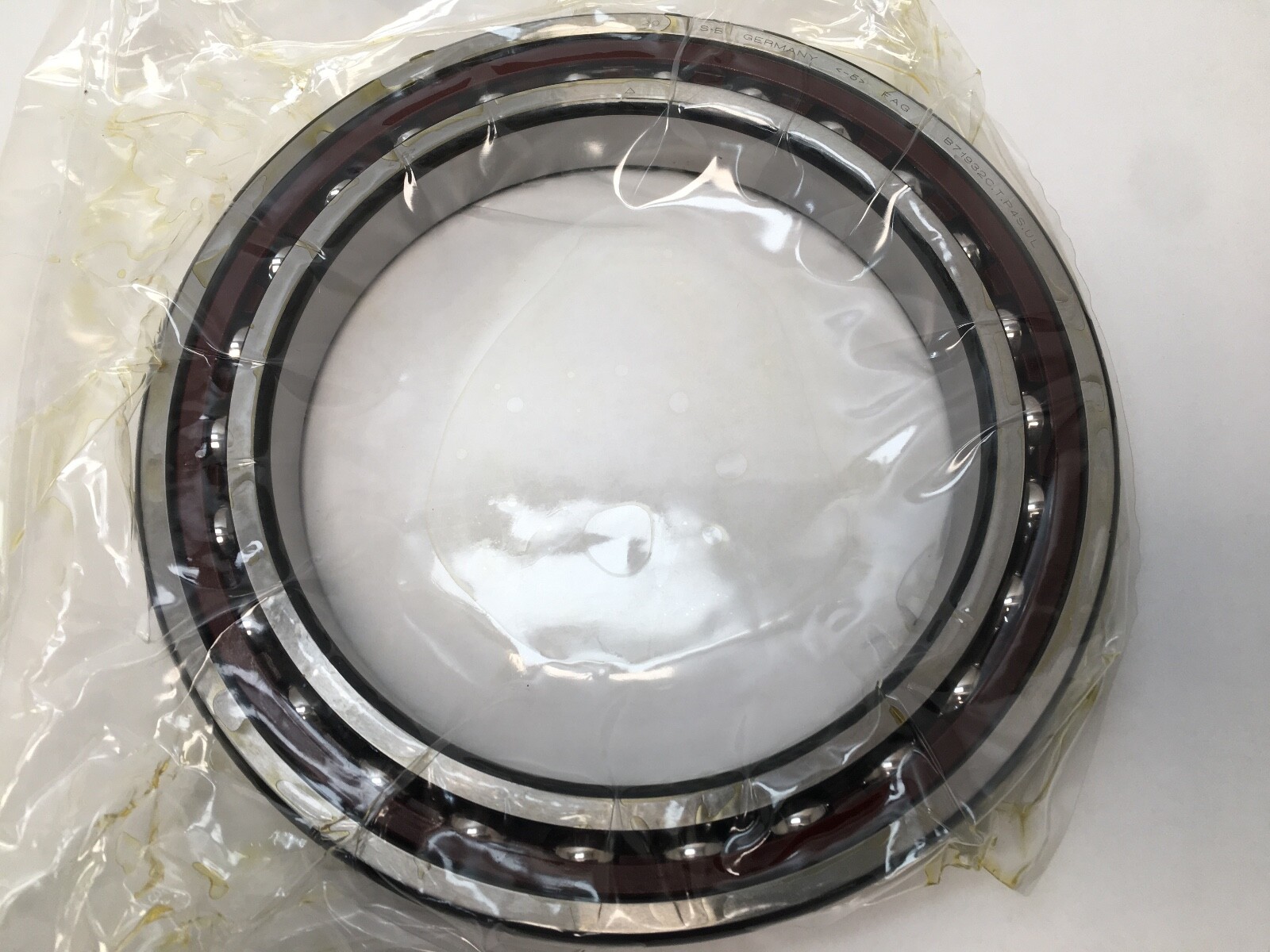
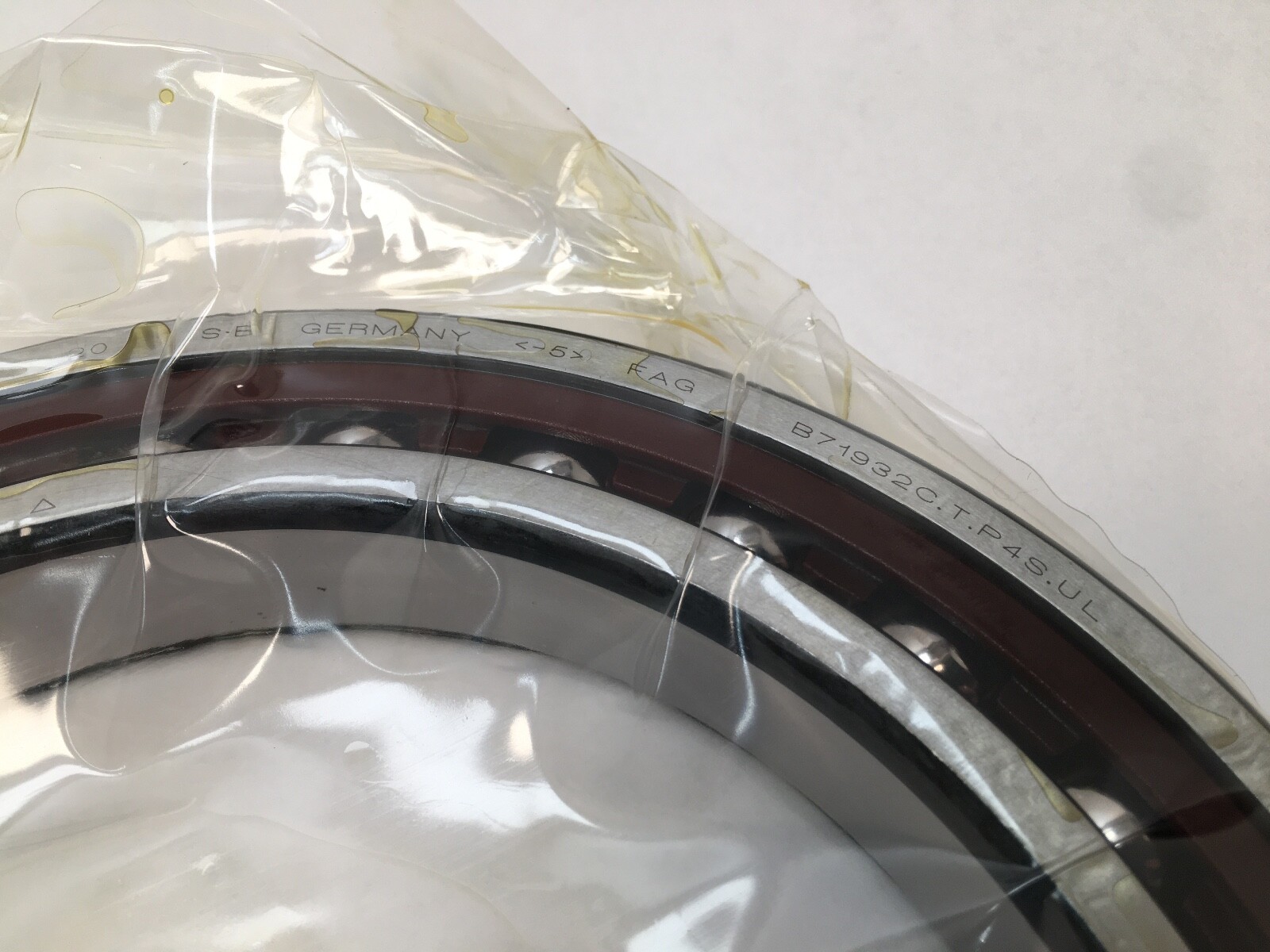
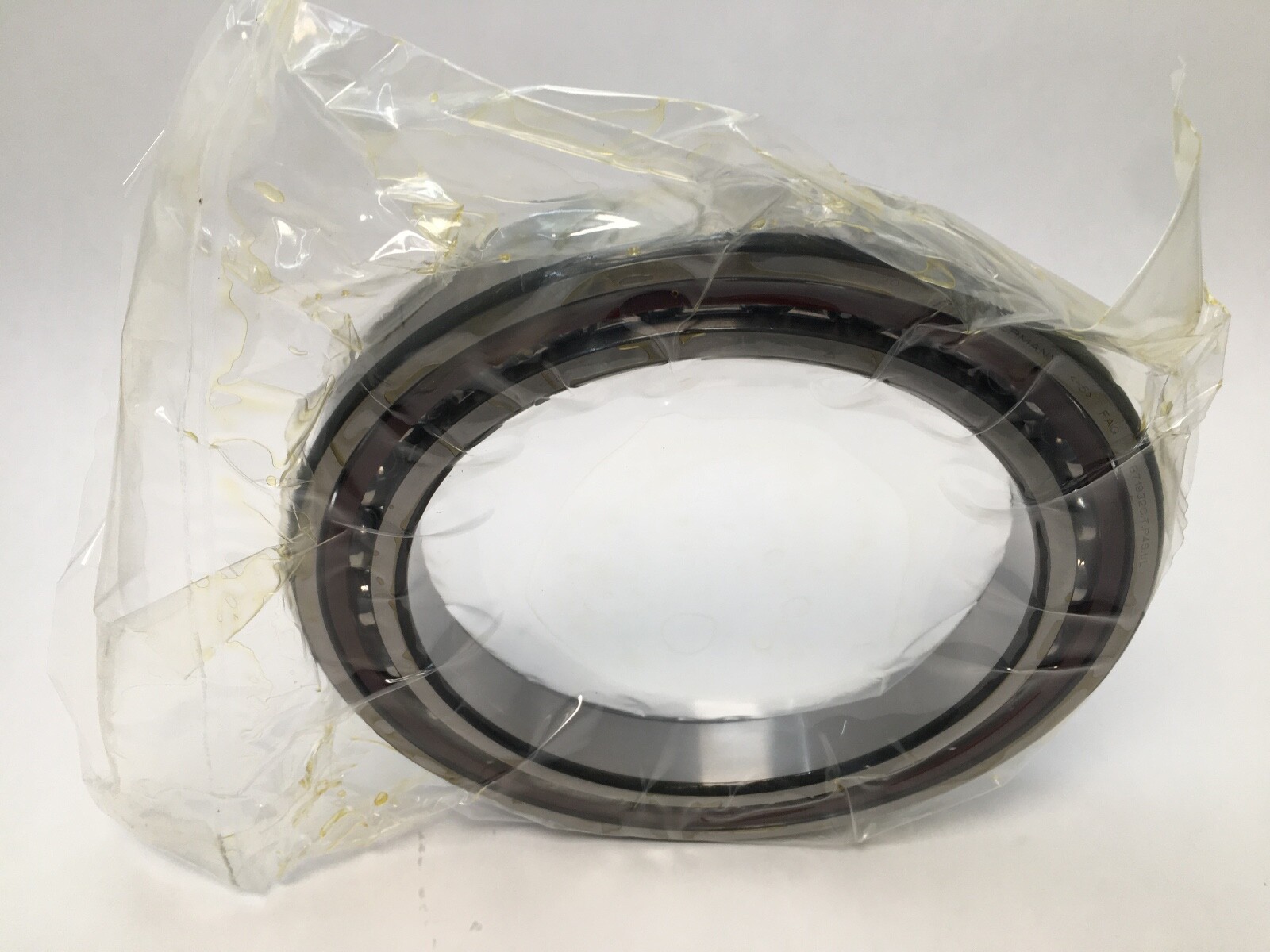
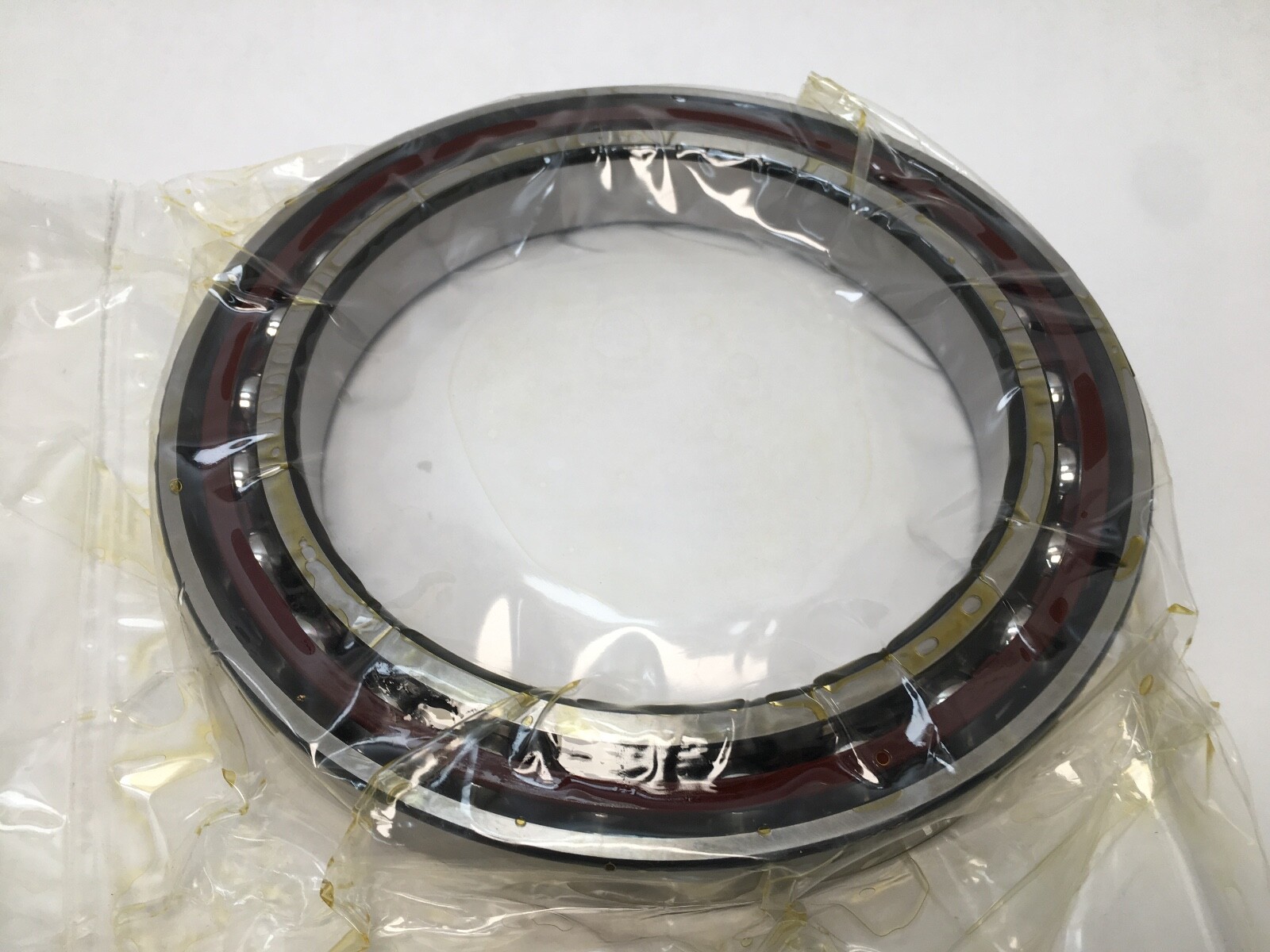
Super precision angular contact ball bearing, 160 mm bore, 220 mm outside diameter, 28 mm width. 15° contact angle, P4S tolerance class, phenolic cage, universally ground for light preload. Extra-thin 719 section for large-bore machine tool spindles where speed and low heat matter most. Ships as 1 piece.
List Price
$942.96
7 in stock

7 in stock
On the Shelf & Ready to Ship
On all orders

No Risk, No Hassle
Also Available From:
| MFR / Brand | FAG |
|---|---|
| MPN | B7030CTPAP4K5UL |
| Model | B7030C T PA P4 K5 UL 2MM9130 UL |
| Bearing Type | Angular Contact Ball Bearing, Open |
| ID | 160 mm |
| OD | 220 mm |
| Width | 28 mm |
| Material | Bearing Steel |
|---|---|
| Series | 71900 Series |
| Condition | New |
| Lubricant | Oil |
| Preload | Light |
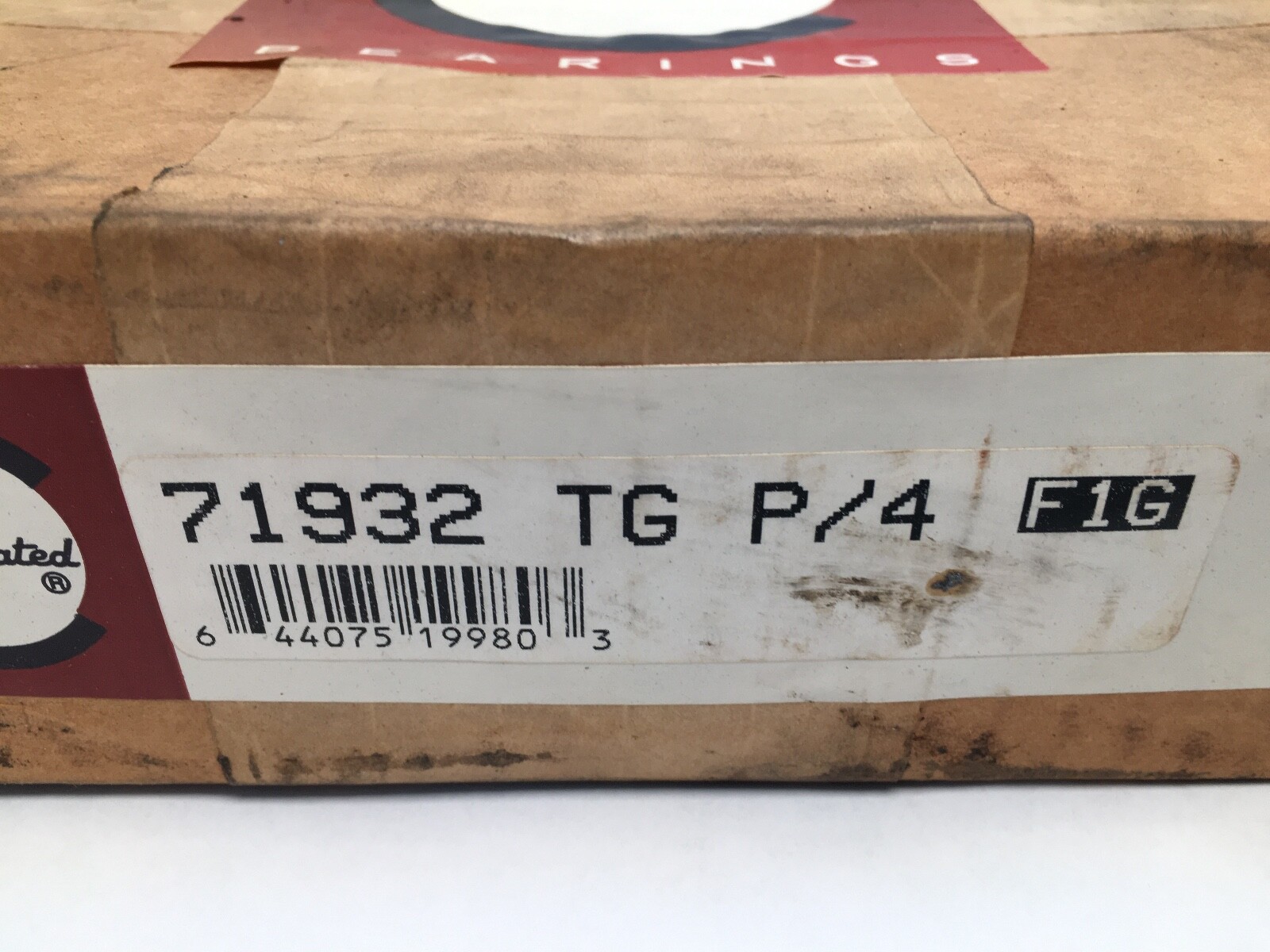
| Base Number | 71932 |
| Common Misspellings | FAG B7I932C, B71932 C T P4S UL, FAG B71932CTP4SUI, Schaefler, Schaffler, 71932CD P4A |
| Application Types | Large machine tool spindles, boring and milling spindles, grinding spindles, precision rotary and indexing tables, high accuracy gearboxes |
| Bore Shaft Size | 160 mm (6.2992 in) |
| Mpn Variants | B71932C.T.P4S.UL, B71932-C-T-P4S-UL, B71932CTP4SUL, B71932C T P4S UL, B71932C, B71932, 71932C, 71932, 71932TGP4, B71932CTP4S |
| Manufacturer Status | FAG is a Schaeffler Group brand; the B7 spindle bearing range remains in current production |
| Compatible With Replaces | Large-bore machine tool spindle positions specified for a 71932-envelope 15° super precision angular contact bearing at light preload |
| Arrangement Configuration | Universally ground single (UL) — mountable as DB, DF, DT or triplex with matching bearings |
| Precision Class | P4S (super precision — ABEC 7 running accuracy with tighter bore and outside diameter control) |
| Min Temp | -30°C |
| Cage Type | Machined |
| Dynamic Load Rating | 104 kN / 23380 lbf |
| Static Load Rating | 120 kN / 26977 lbf |
| Precision Rating | ABEC 7 / P4 |
| Rolling Elements | Ball |
| Max Temp | 100°C |
| Item Weight | 6.30 lbs |
| Cage Material | Phenolic (textile laminate) |
| Limiting Speed | 8000 rpm |
| Number Of Rows | 1 |
| Bore Type | Straight |
| Snap Ring Included | No |
| Harmonization Code | 8482.10.50 |
| Contact Angle | 15° |
| Design Units | Metric |
| Bearing Material | Chrome steel |
| Part Number | B71932-C-T-P4S-UL |
| Cross Reference 1 | NSK 71932C |
|---|---|
| Cross Reference 2 | SKF 71932 CD/P4A |
| Cross Reference 3 | NTN 71932C |
| Cross Reference 4 | RHP 71932-C-T-SUL-P4 |
| Cross Reference 6 | B71932-E-T-P4S-UL (25° FAG sibling — same envelope, different contact angle, not a set substitute) |
| Cross Reference 7 | 71932TGP4 |
| Cross Reference 8 | B71932C.T.P4S.UM, B71932C.T.P4S.UH (medium and heavy preload variants of the same bearing) |
A super precision angular contact ball bearing in the 71932 envelope — 160 mm bore, 220 mm outside diameter, 28 mm width. This is FAG’s spindle bearing range: single row, open, universally ground, and made to the tolerance grade machine tool builders specify for main spindle positions.
B — FAG spindle bearing series, a higher-precision execution than a standard angular contact bearing.
71932 — ISO boundary dimensions in the extra-thin 719 dimension series: 160 x 220 x 28 mm. The 32 is the bore code, 32 x 5 = 160 mm.
C — 15° contact angle in FAG nomenclature. This is the single most important character in the number and the one most often misread.
T — phenolic (textile laminate) cage.
P4S — super precision tolerance: ABEC 7 running accuracy with tighter bore and outside diameter control, plus matched width for universal grinding.
UL — universal grinding, light preload. Any two bearings of this designation clamped together produce the specified light preload with no shims.
The 719 series is the thinnest section FAG makes in a spindle bearing. At 160 mm bore the ring wall is only 30 mm of radial section, and that slimness is the whole design intent: less mass to accelerate, a smaller outside diameter so the housing and the surrounding spindle structure stay compact, and a lower ball pitch diameter than a 70xx or 72xx section would give at the same bore. All of that raises the speed the bearing can run. The trade-off is load capacity — a thin ring in a large diameter needs a well supported, accurately machined seat and will not tolerate a distorted housing.
The 15° contact angle reinforces the same priority. A shallow angle keeps the ball from climbing the raceway shoulder, which cuts ball spin, friction and heat, so the bearing runs faster and cooler than the 25° (FAG suffix E) version of the same envelope. What you give up is thrust capacity and axial stiffness. If your spindle’s limiting factor is rpm, 15° is right; if it is deflection under heavy cutting load, the E variant is the better tool.
The phenolic cage follows suit. At roughly a fifth the density of brass it puts far less centrifugal load on itself at speed, and the laminate holds a small oil reserve that helps the bearing survive a brief lubrication interruption. In exchange it will not tolerate sustained high temperature, so lubrication needs to be clean and grease fills need to be light. Light preload keeps friction and heat generation to a minimum; medium (UM) and heavy (UH) trade speed for rigidity.
The UL suffix denotes a universally ground single bearing, and one bearing is what ships. Universal grinding is what makes that useful: two or more of these can be clamped into a back-to-back (DB) set for maximum moment stiffness and two-direction thrust, a face-to-face (DF) set where housing alignment is imperfect, a tandem (DT) set to double one-direction thrust, or a triplex stack — each combination developing the specified light preload automatically. Buy one to replace a damaged half of an existing pair, or the matching count to build a complete set.
Super precision bearings only deliver their accuracy on seats ground to match, and a 719-section bearing is more sensitive to this than most because the thin rings will take up whatever shape the seat gives them. Hold shaft journal and housing bore runout and roundness to a few microns, keep the abutment faces square, and make sure the housing bore is continuous and evenly supported rather than a bolted assembly with soft spots. Mount with controlled heat on the inner ring or a press acting only on the ring being fitted — never drive load through the balls. When building a set, keep the marked faces oriented as intended; reversing a bearing changes the preload and can turn a light-preload stack into a clamped one. Lubricate with a spindle grease or an oil mist or oil-air system sized for the bore and speed, and resist over-filling.
Same-envelope 15° super precision equivalents include NSK 71932C, SKF 71932 CD/P4A, NTN 71932C and RHP 71932-C-T-SUL-P4, all in the corresponding precision grade. Within FAG, B71932-E-T-P4S-UL is the 25° version of the same envelope — identical dimensions, different contact angle, and not a substitute inside an existing preloaded set. The 71932TGP4 form carried in the source record is retained as a searchable reference. When cross-referencing, match the contact angle, the cage code and the preload class, not just the base number.
$1,166.51
5 in stock
$1,166.51
5 in stock
A shipping cutoff banner measures a vendor’s dock. It tells
When a motor stops running, the first instinct is to find the part that looks
From Caligula’s luxury fleet to modern factories, this is the story of how a single
When sourcing a replacement bearing, you will often find both Timken and SKF options for
Our team can locate, cross-reference, and source all parts.
Sort
Brand
Price
MPN
Categories