Product Description
What this part is
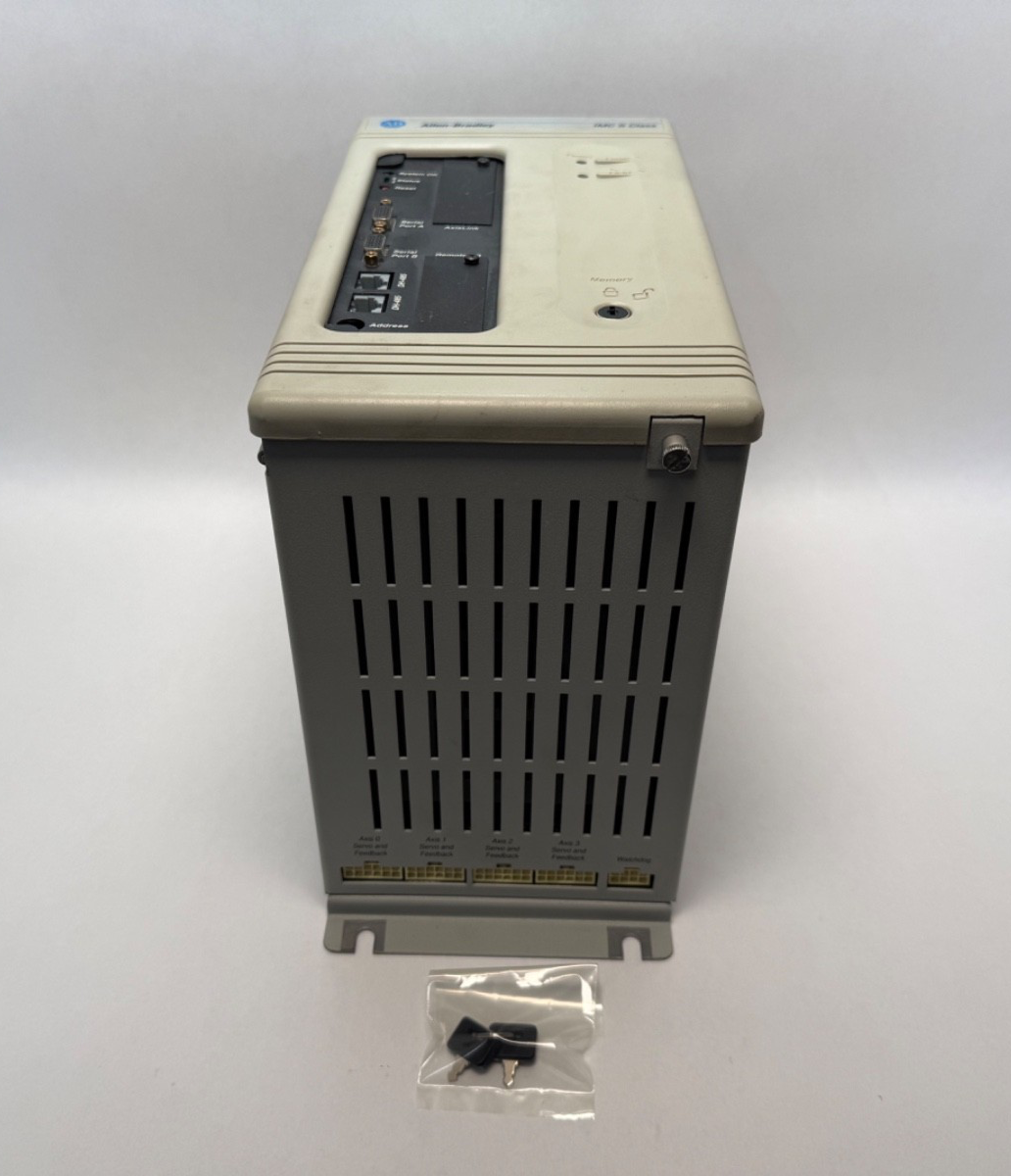
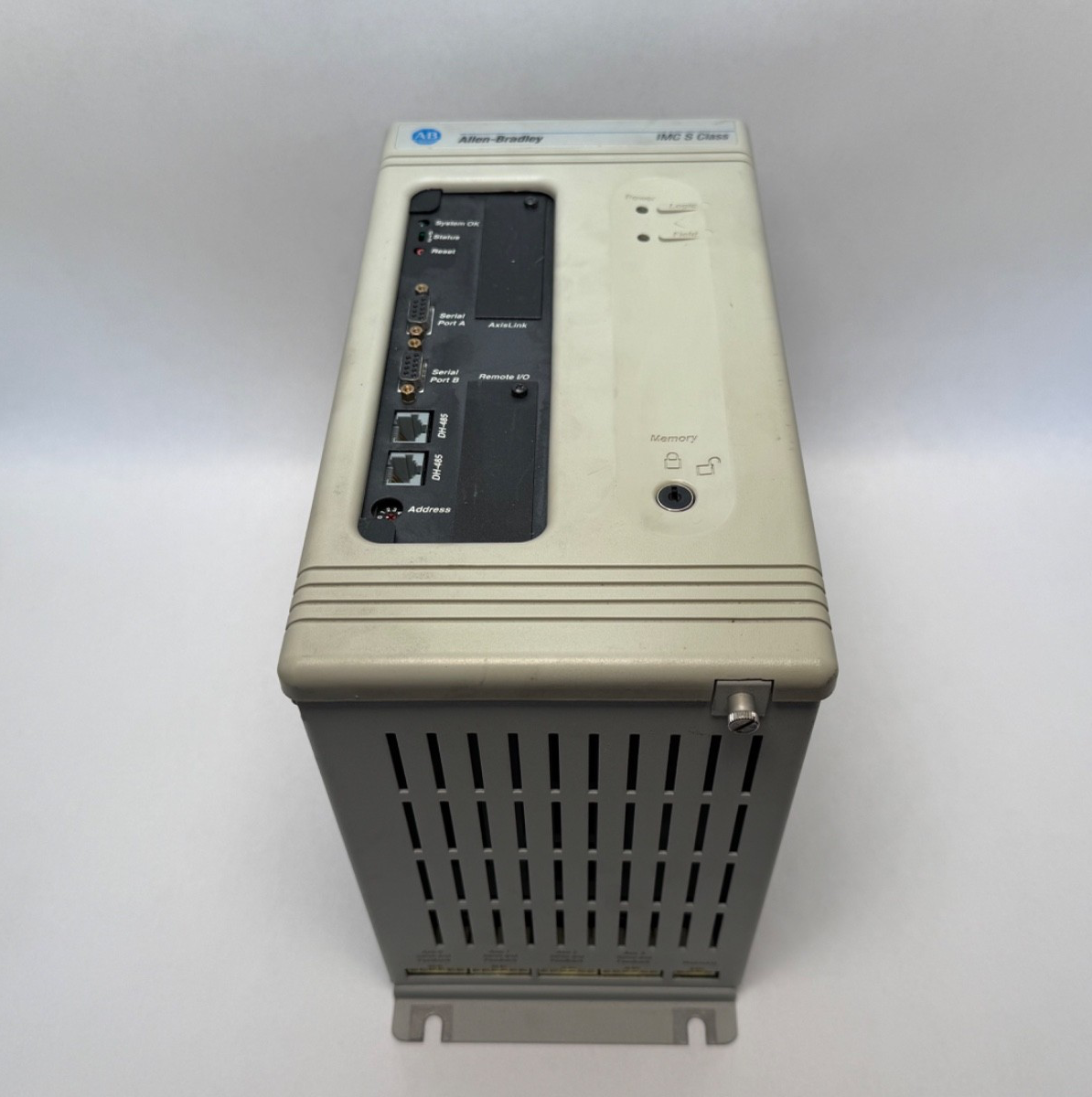
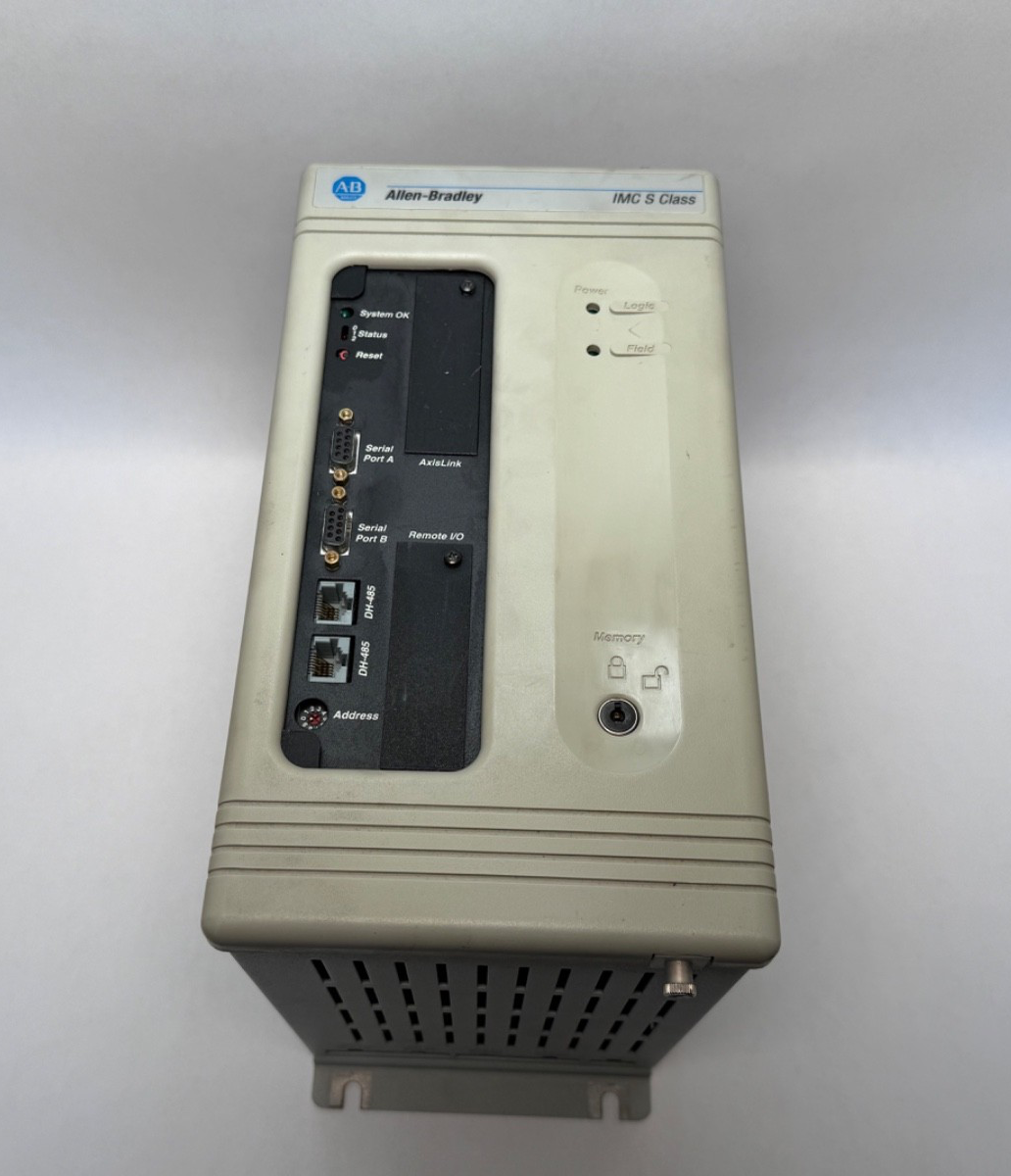
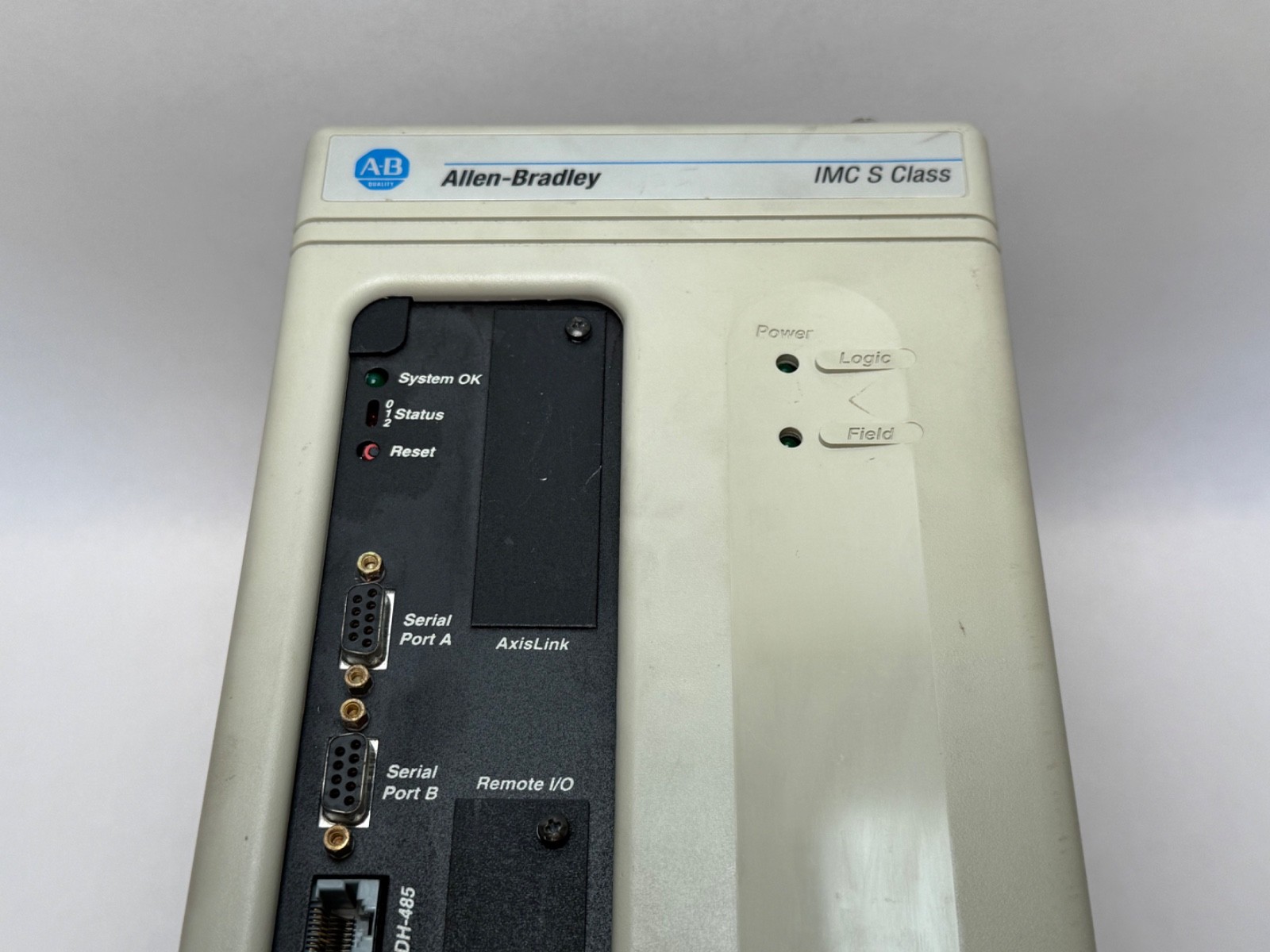
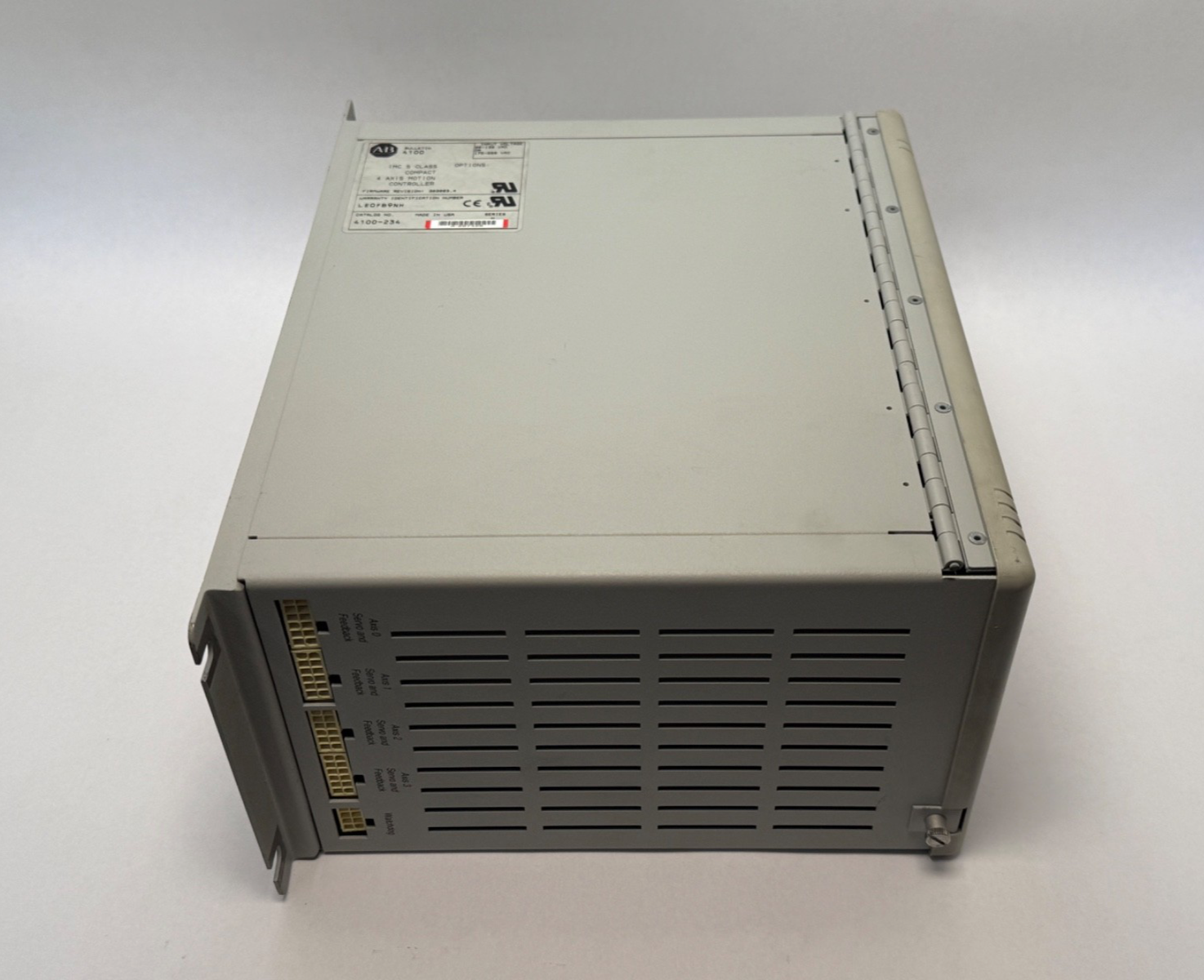
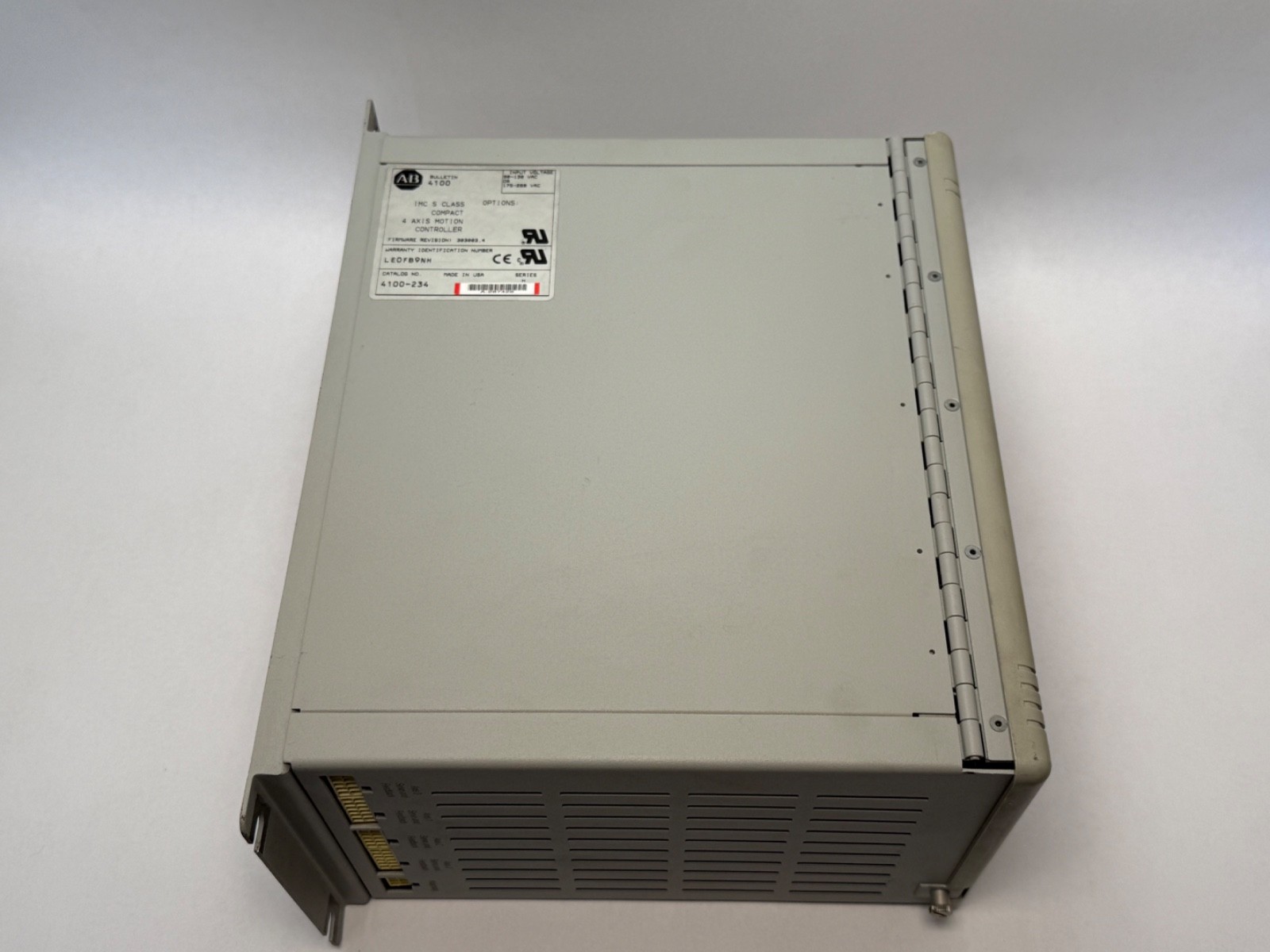
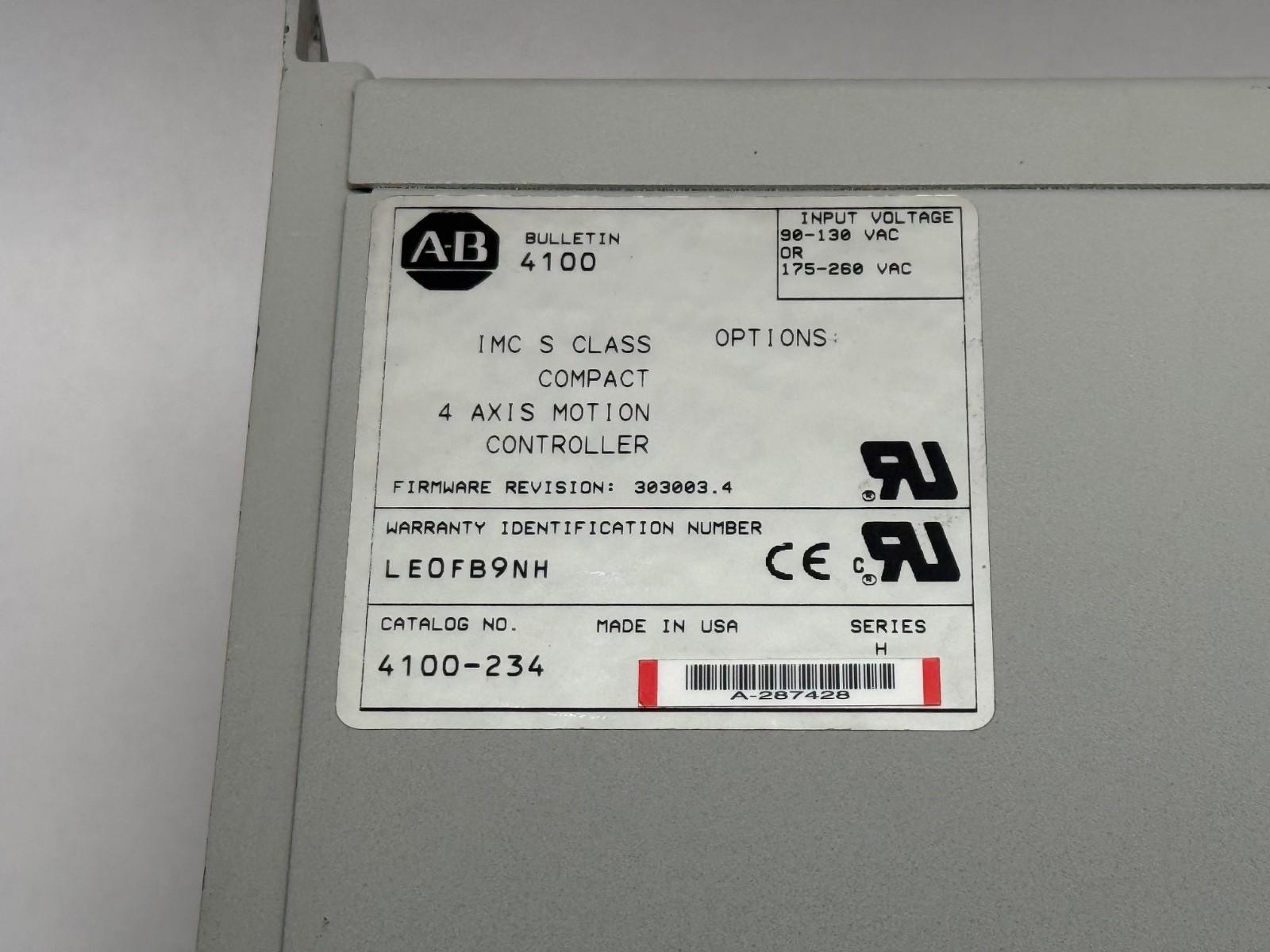
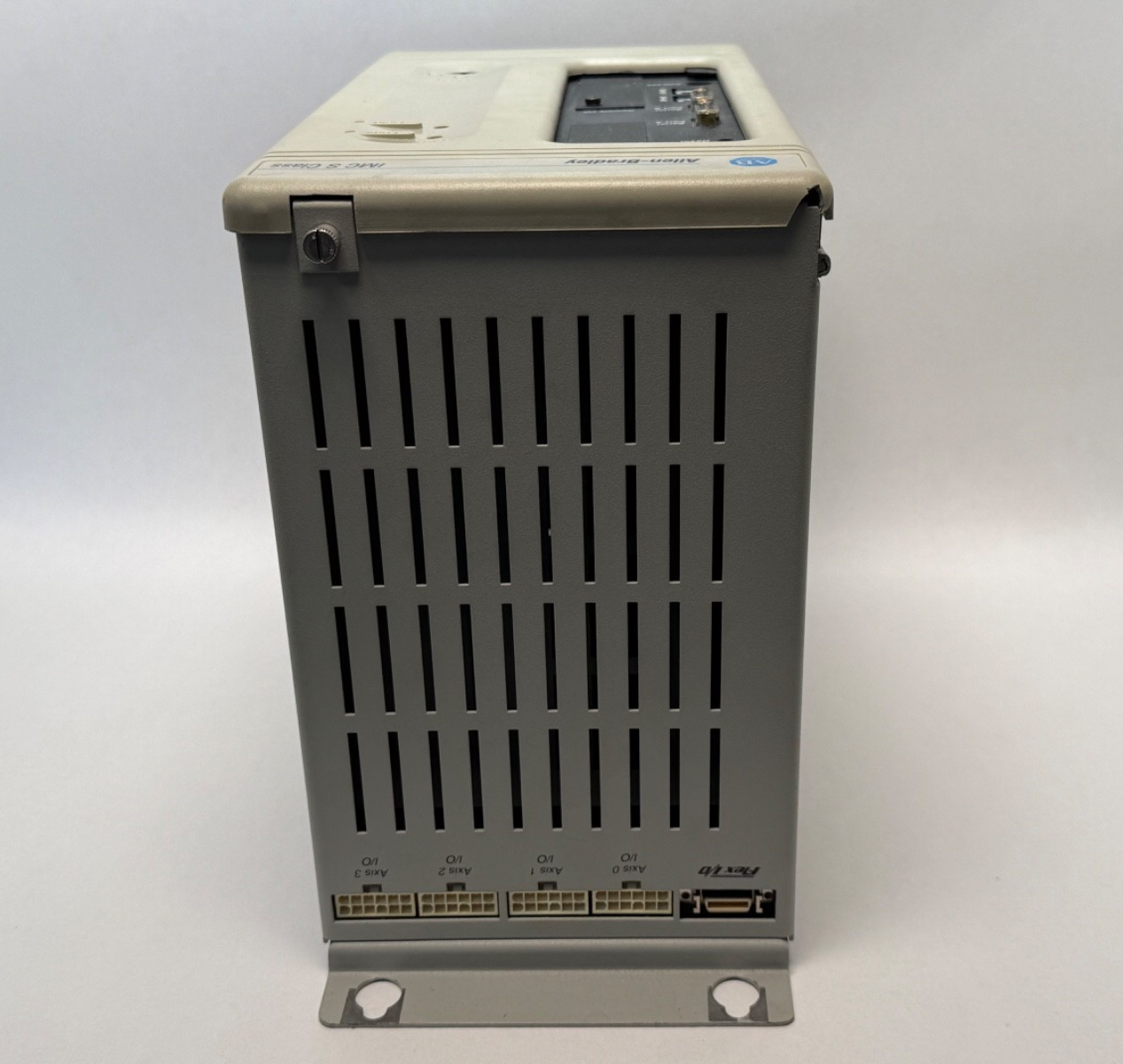
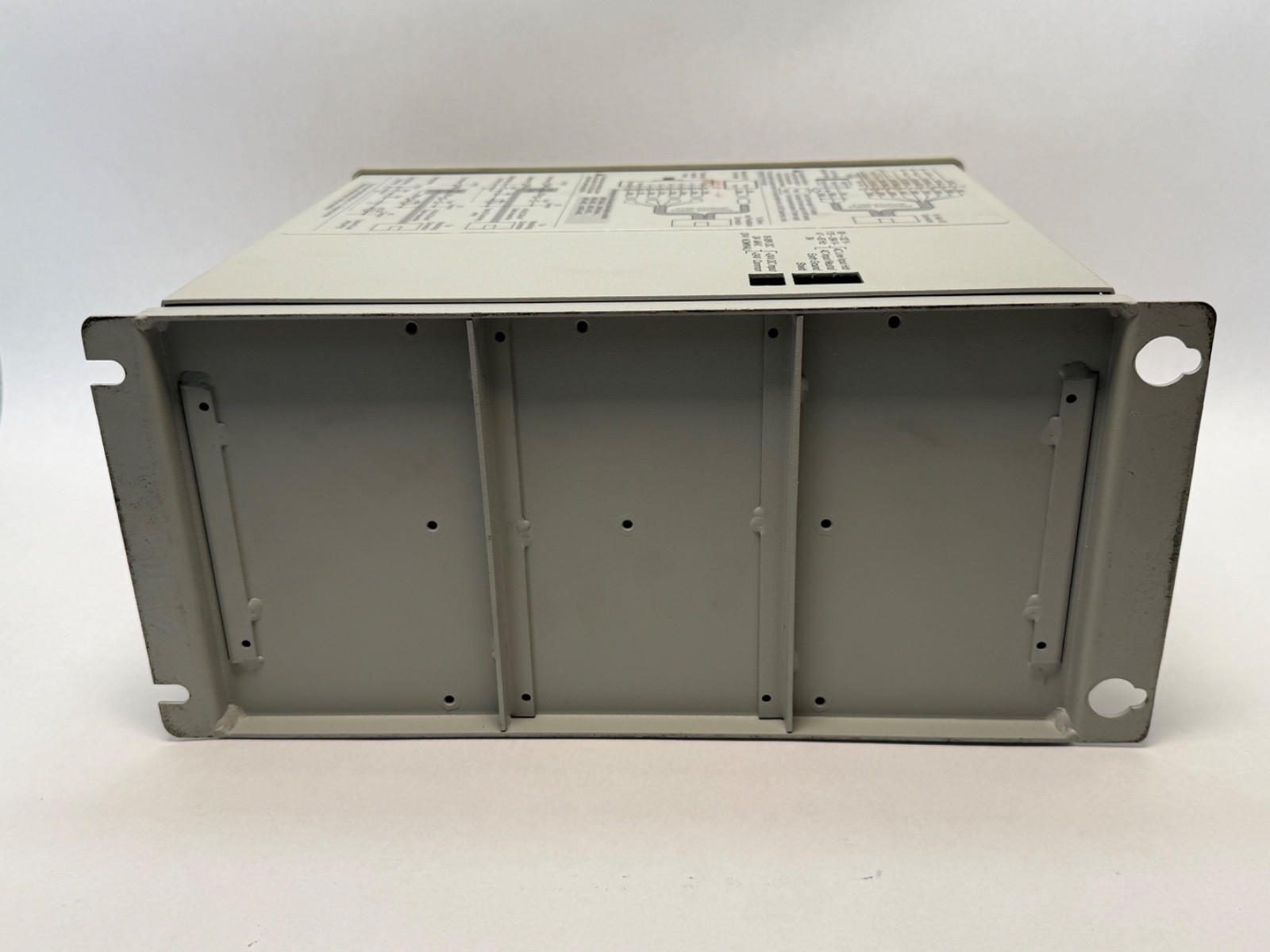
An Allen-Bradley Bulletin 4100 IMC S Class Compact Motion Controller, catalogue number 4100-234, Series H. In Rockwell’s own nomenclature the product is the IMC-S/234: a stand-alone, microprocessor-based four-axis servo motion and logic controller with the logic and field power supplies built in. It closes the position loop itself and commands external servo amplifiers over an analogue reference — it is a motion controller, not a drive.
Decoding the order code
Rockwell builds the family as 4100-23x with optional suffixes:
4100-232 — two axes (IMC-S/232).4100-234 — four axes (IMC-S/234). This unit.suffix -R — Remote I/O adapter option fitted.suffix -L — AxisLink option fitted.suffix -RL — both options fitted.This is the bare 4100-234 with no suffix, so it is the four-axis controller without the Remote I/O adapter and without AxisLink. That distinction is the single most common sourcing mistake on this part. If your machine’s drawing calls for RIO communication to a PLC-5 or ControlLogix rack, or for AxisLink master-axis sharing between controllers, this catalogue number will not provide it — you need 4100-234-R, -L or -RL. Conversely, if you are replacing a plain 4100-234 the option-fitted units are electrically supersets and physically the same envelope, but you are paying for hardware you will not use.
Series H is the hardware revision letter. Series letters on Bulletin 4100 track board-level and firmware changes within the same catalogue number; a later series is normally the safer replacement for an earlier one on the same application, but if a machine builder’s spec pins the series letter, match it.
Motion capability, and why the numbers matter
Four axes of closed-loop point-to-point positioning with trapezoidal, parabolic or S-curve (controlled-jerk) profiles, plus multi-axis linear, circular and helical interpolation on up to three axes via two independent interpolators. The S-curve profile is the one worth understanding: it limits jerk rather than just acceleration, which is what stops product tipping on a conveyor or a fragile part cracking at the start of a move. Electronic gearing slaves any axis to another at a ratio from 0.00001:1 to 9.99999:1, and the electronic cam holds 13,000 master and 13,000 slave points (26,000 total) for profiles that are a function of time or of another axis’s position. Phase shift, auto-registration and auto-correction handle high-speed registration work. An “Imaginary Axis” provides a command-only virtual master — useful when you want a lineshaft reference that no physical motor is tied to.
The servo loop samples and updates at 250 Hz to 2 kHz per axis. Absolute position range is ±1,000,000,000 feedback counts on a linear axis and unlimited on a rotary axis with electronic unwind. Maximum feedback rate is 4 MHz — 4,000,000 counts per second, which in 4X quadrature decode is a 1 MHz channel frequency. That headroom is why the controller can run a fine-resolution encoder at high speed without the integrator having to trade resolution against top speed.
Hardware and I/O
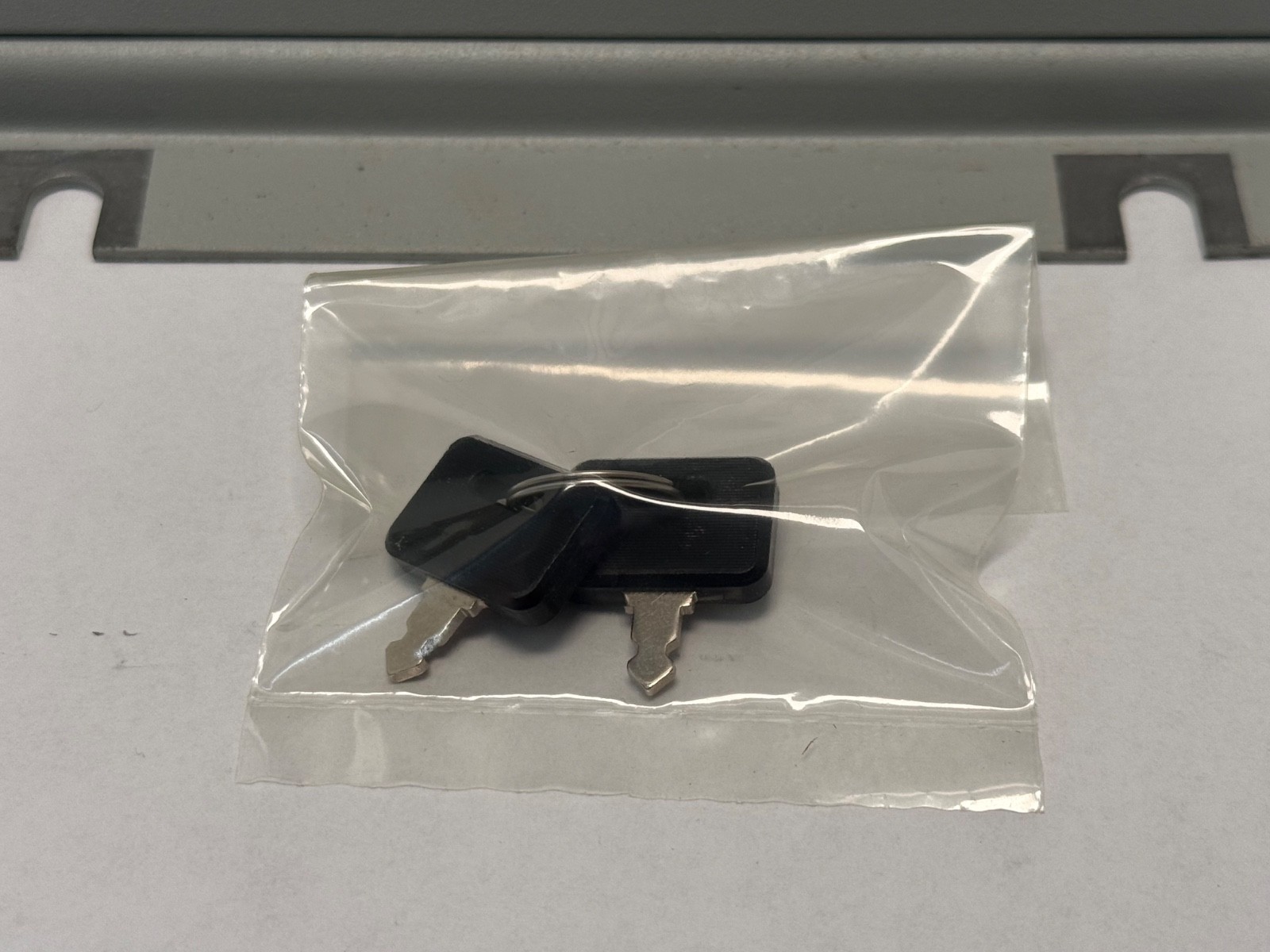
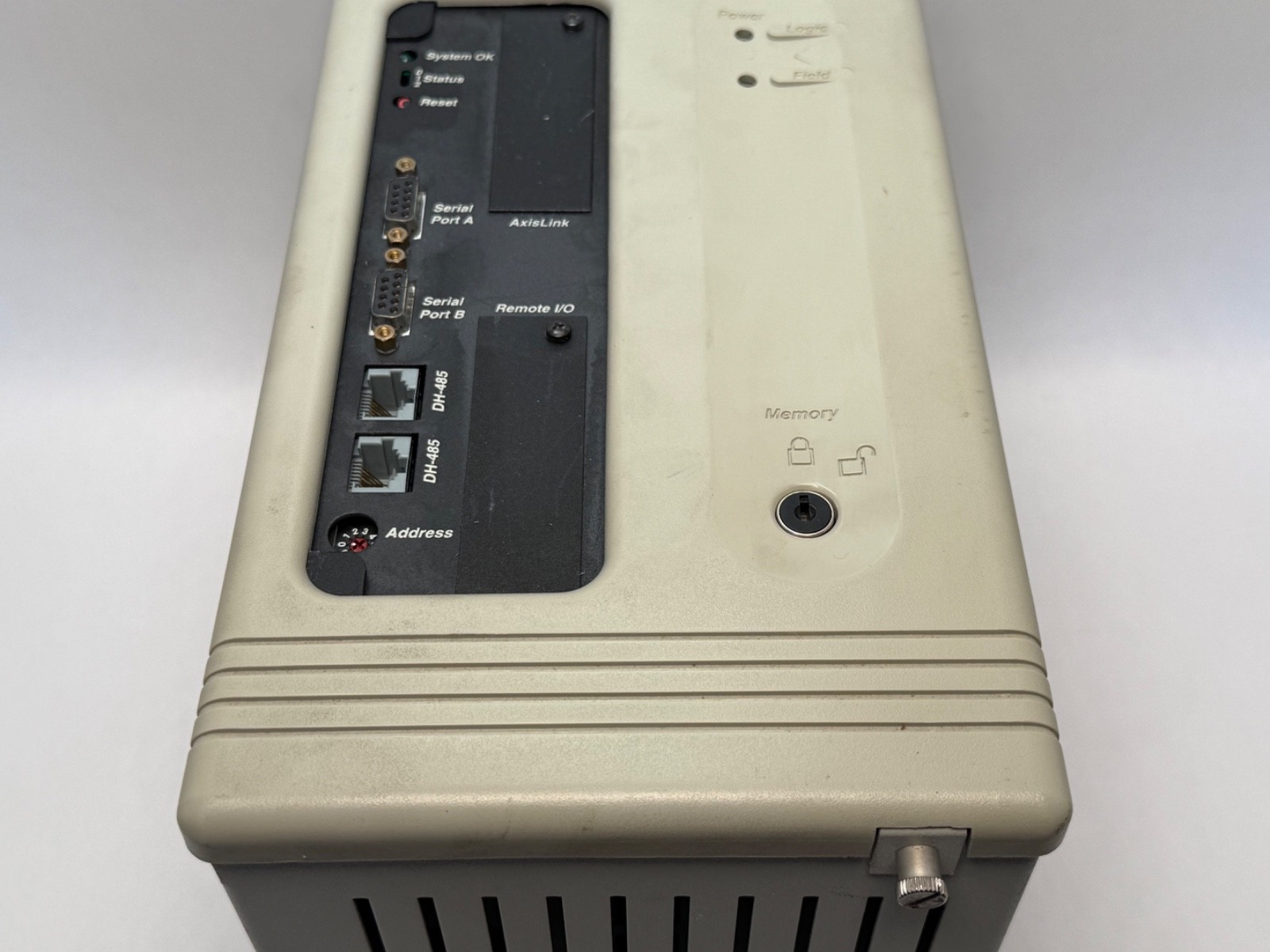
Motion processor is an Intel 80960SB (i960 RISC) at 16 MHz. Application program (32K) and setup parameters live in write-lockable battery-backed RAM with a minimum ten-year battery life, along with the cam table and 2,000 user-definable 64-bit floating-point variables. A Memory Lock keyswitch on the front panel blocks accidental or unauthorised changes — in practice, check its position before blaming a controller for “refusing” a download.
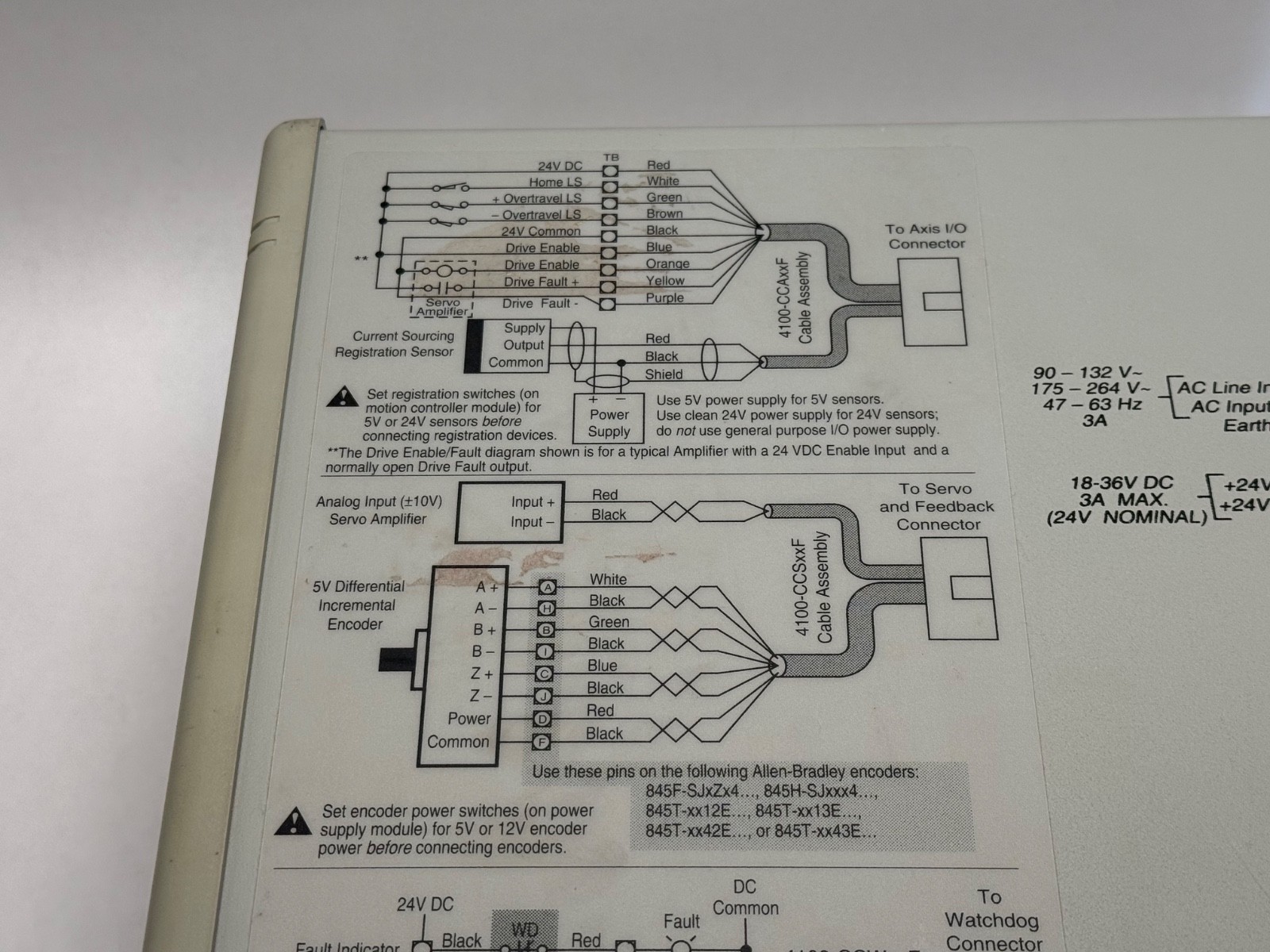
Four encoder inputs, incremental AB quadrature, optically isolated, differential with marker channel, AM26LS32 interface, 7 kΩ minimum input impedance. Decode modes are 4X quadrature, step/direction and count-up/count-down. Encoder power of 5 or 12 Vdc at 1 A total is available from the controller, voltage selected by an internal switch — set that switch before wiring a 5 V encoder. Four servo drive outputs, isolated analogue, individually field-configurable per axis by internal switch for either ±10 Vdc or ±150 mA; 16-bit resolution at 305 µV or 4.58 µA per bit; 220 Ω resistive output impedance for voltage mode, 56 Ω maximum load for current mode; ±80 mV maximum voltage offset, zeroed in software during setup.
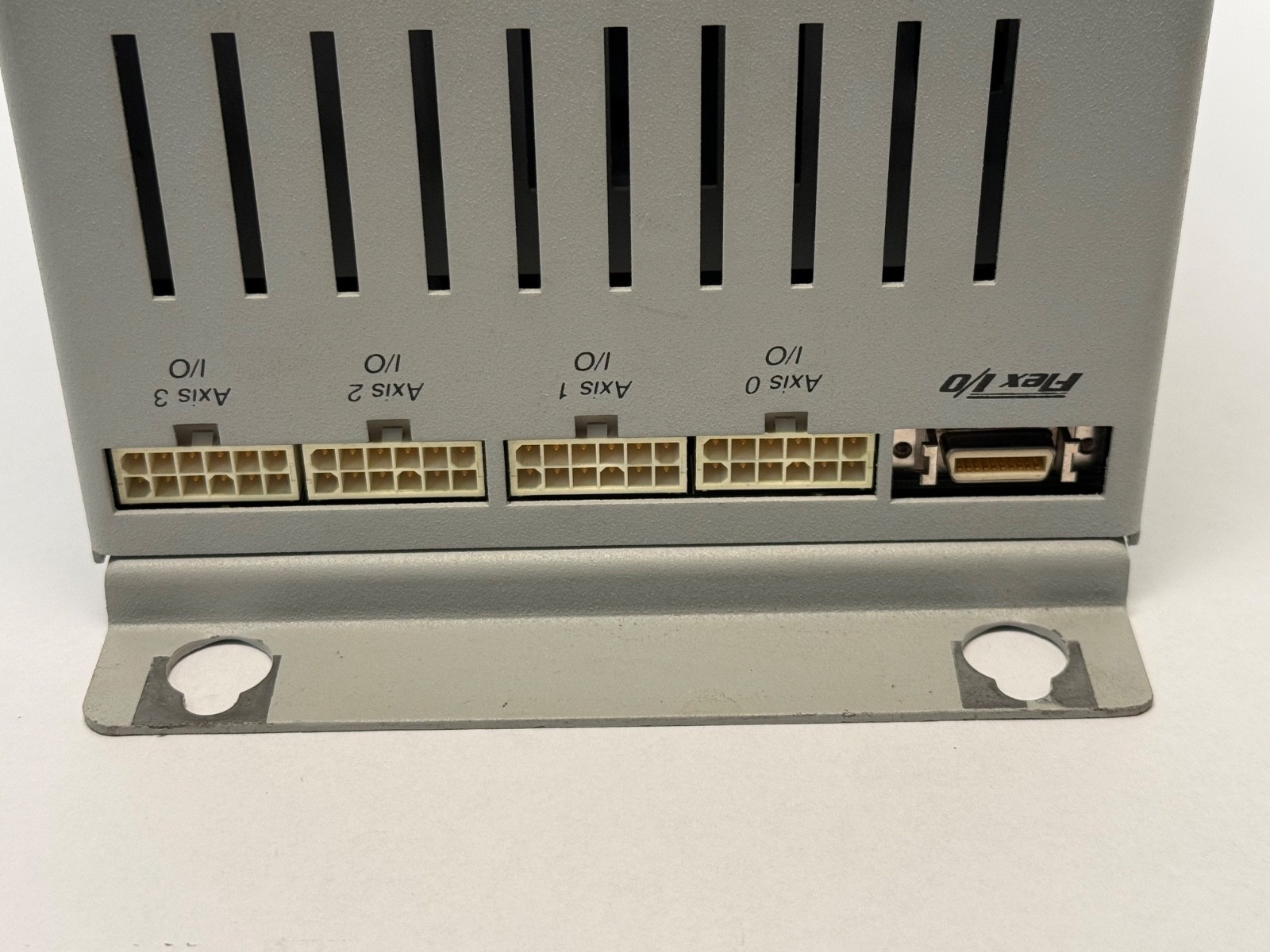
Twenty dedicated optically isolated discrete inputs (five per axis: home limit, positive overtravel, negative overtravel, drive fault, position registration) and eight dedicated outputs (two per axis: drive enable via normally-open relay contacts, absolute position strobe via isolated solid-state relay). The registration inputs are the fast ones — 1 µs maximum response against 5 ms for the ordinary inputs — and they run at 5 Vdc nominal / 10 Vdc maximum, not 24 V. General-purpose I/O is added by connecting up to eight Bulletin 1794 Flex I/O modules directly, no 1794-ASB adapter needed, for up to 128 discrete points; analogue modules may be substituted for discrete blocks.
Communications
Two serial channels, each individually field-configurable by internal switch as optically isolated RS-232C or RS-422, up to 19.2k baud on RS-232C or 128k baud on RS-422, on 9-pin D-type female front-panel connectors. Serial Port B can instead be used as one DH-485 channel (optically isolated half-duplex RS-485, 9,600 or 19.2k baud, two RJ-45 jacks, node address 0–31, token-passing master) for a man-machine interface. RS-422 and RS-485 termination is a user-selectable 220 Ω resistor on an internal switch. DH-485 accessible data files include one binary file to 16,384 bits, one integer file to 1,024 16-bit values, one floating-point file to 512 32-bit values, one ASCII string file to 2,048 characters and nine user-configurable files.
Electrical and environmental
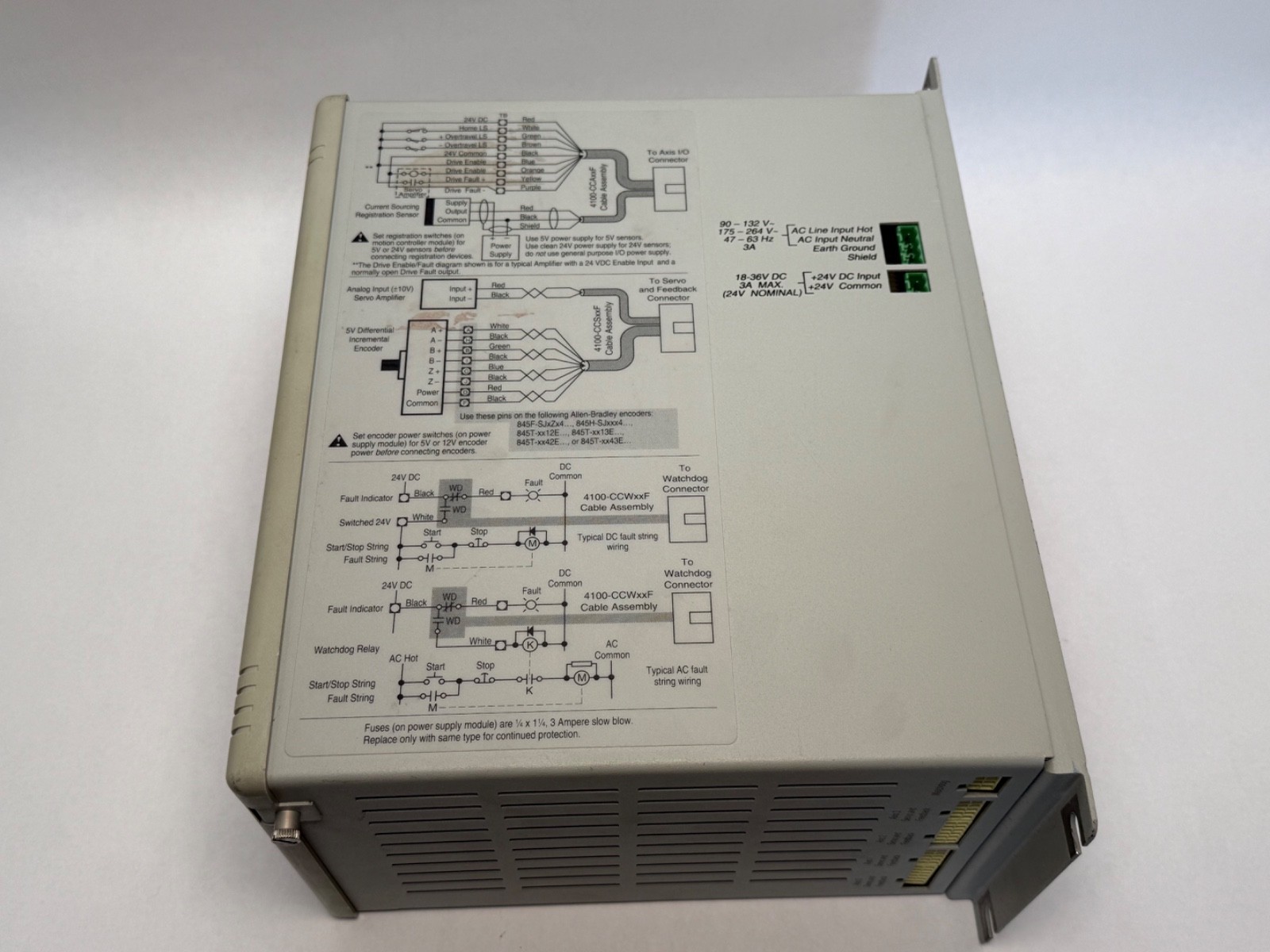
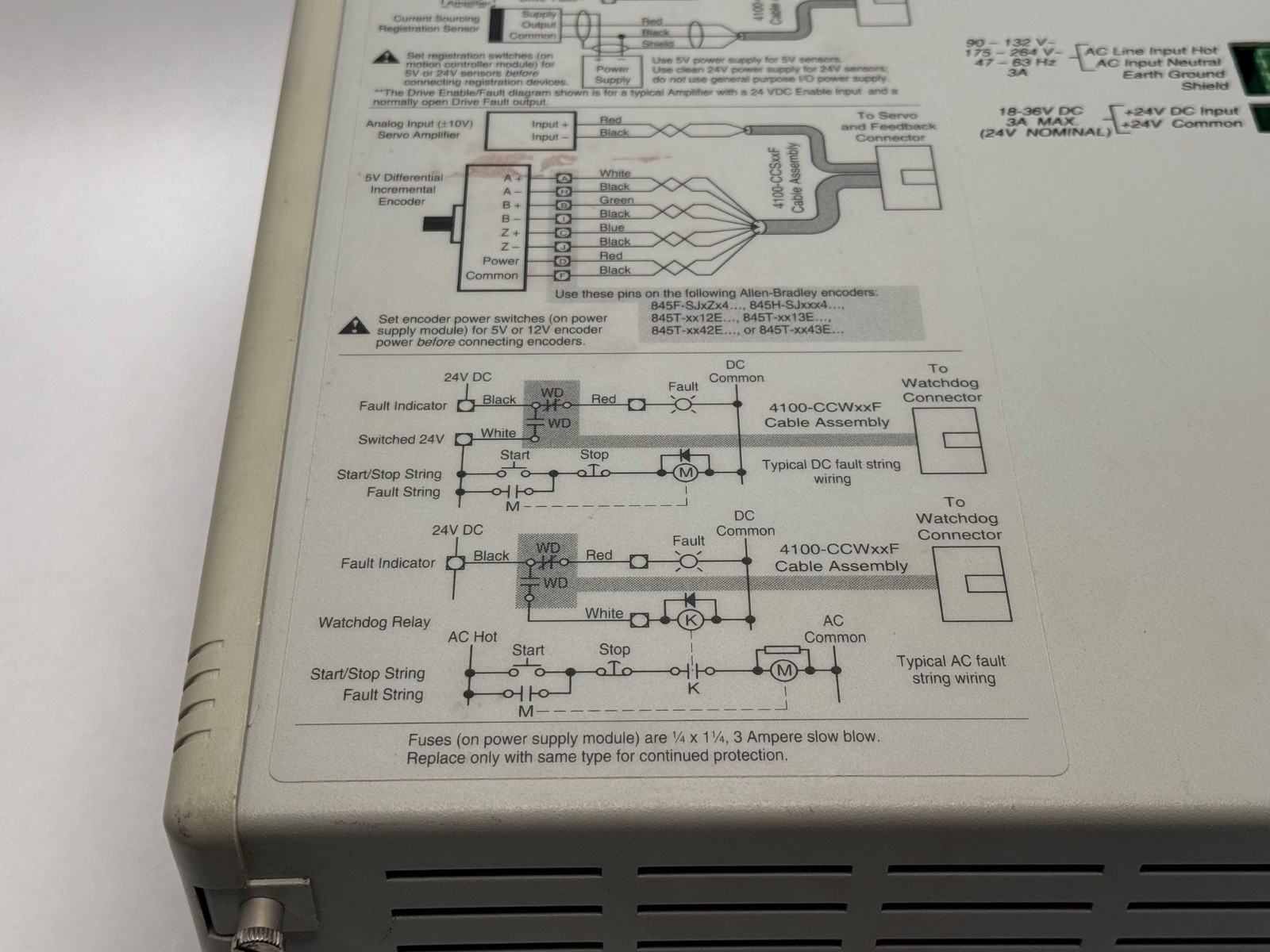
AC power input 90–132 or 175–264 Vac, 47–63 Hz, 3 A maximum, protected by a 3 A slow-blow ¼ x 1¼ fuse. Separate I/O power input 5–40 Vdc (24 Vdc nominal), 3 A maximum, with its own 3 A slow-blow fuse. Operating temperature 0 to 50 °C per Rockwell’s own product data; storage –40 to 70 °C; maximum humidity 95 % non-condensing. Note that some resale listings quote 0 to 60 °C for this controller — Rockwell publication 4100-TD023 states 0 to 50 °C, and that is the figure to design to.
What is and is not included
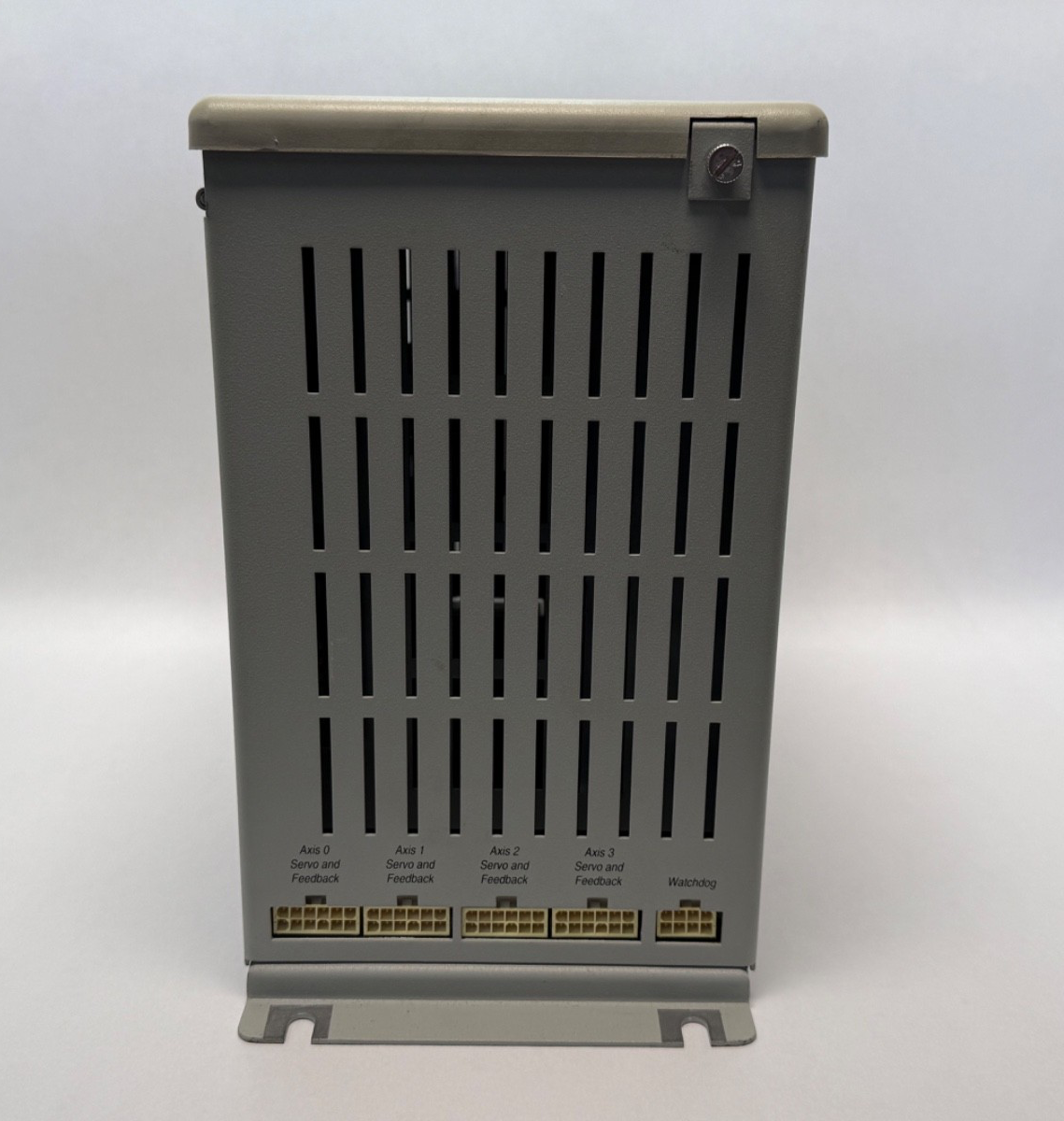
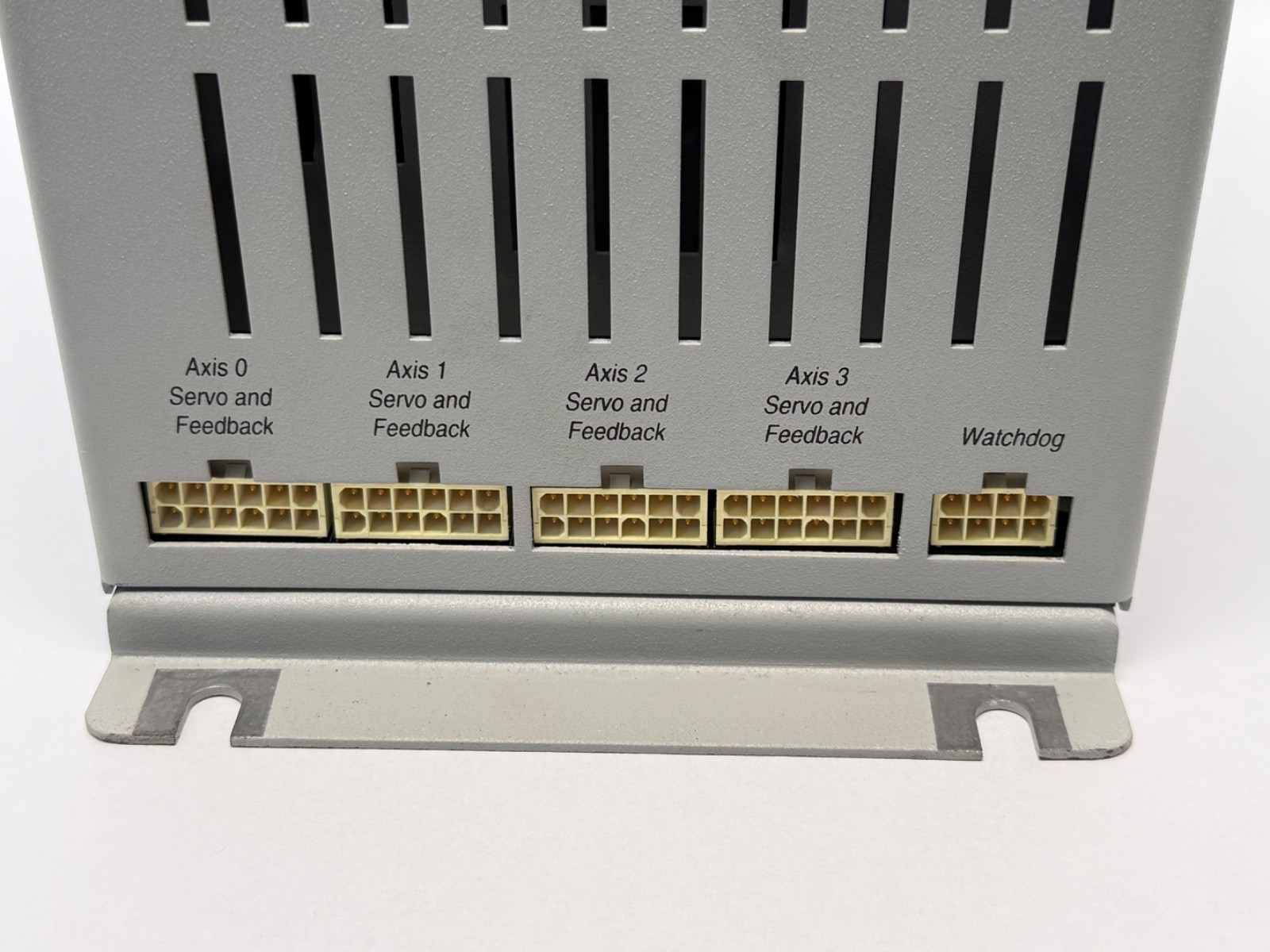
Controller only. The IMC S Class relies on pre-engineered cable assemblies that are ordered separately and are not included: 4100-CCS15F (servo and feedback, one per axis), 4100-CCA15F (dedicated discrete I/O, one per axis), 4100-CCW15F (CPU watchdog, one per controller), 4100-CCF1 or -CCF3 (Flex I/O, one per controller, only if Flex I/O is used), 4100-CCAQB (for 1391B-ES or 1391-DES drives), 4100-RCS3T (to a 4100-REC resolver). Budget four servo/feedback and four dedicated-I/O cables for a four-axis build. Servo amplifiers, motors, encoders, Flex I/O modules and the GML software licence are also not included.
Programming and commissioning
Applications are written in GML (Graphical Motion Control Language), Allen-Bradley’s graphical development environment, with over 100 commands and real-time debugging; later Rockwell tooling is GML Commander. Programs download over the field-configurable RS-232C or RS-422 port into non-volatile write-protected battery-backed RAM. Built-in hookup diagnostics and automatic servo setup routines self-tune the servo parameters, which is the fastest path through commissioning. The multitasking OS runs up to ten tasks concurrently. Safety features worth wiring up: encoder-loss detection, programmable position lock and position error tolerances, programmable directional software travel limits, and the CPU watchdog with its front-panel LED — the watchdog needs the 4100-CCW15F cable to be of any use externally.
Because everything is digital there are no potentiometers to set and no drift with time, temperature or humidity. All external connections are isolated from the microprocessor logic.
Obsolescence and successor guidance
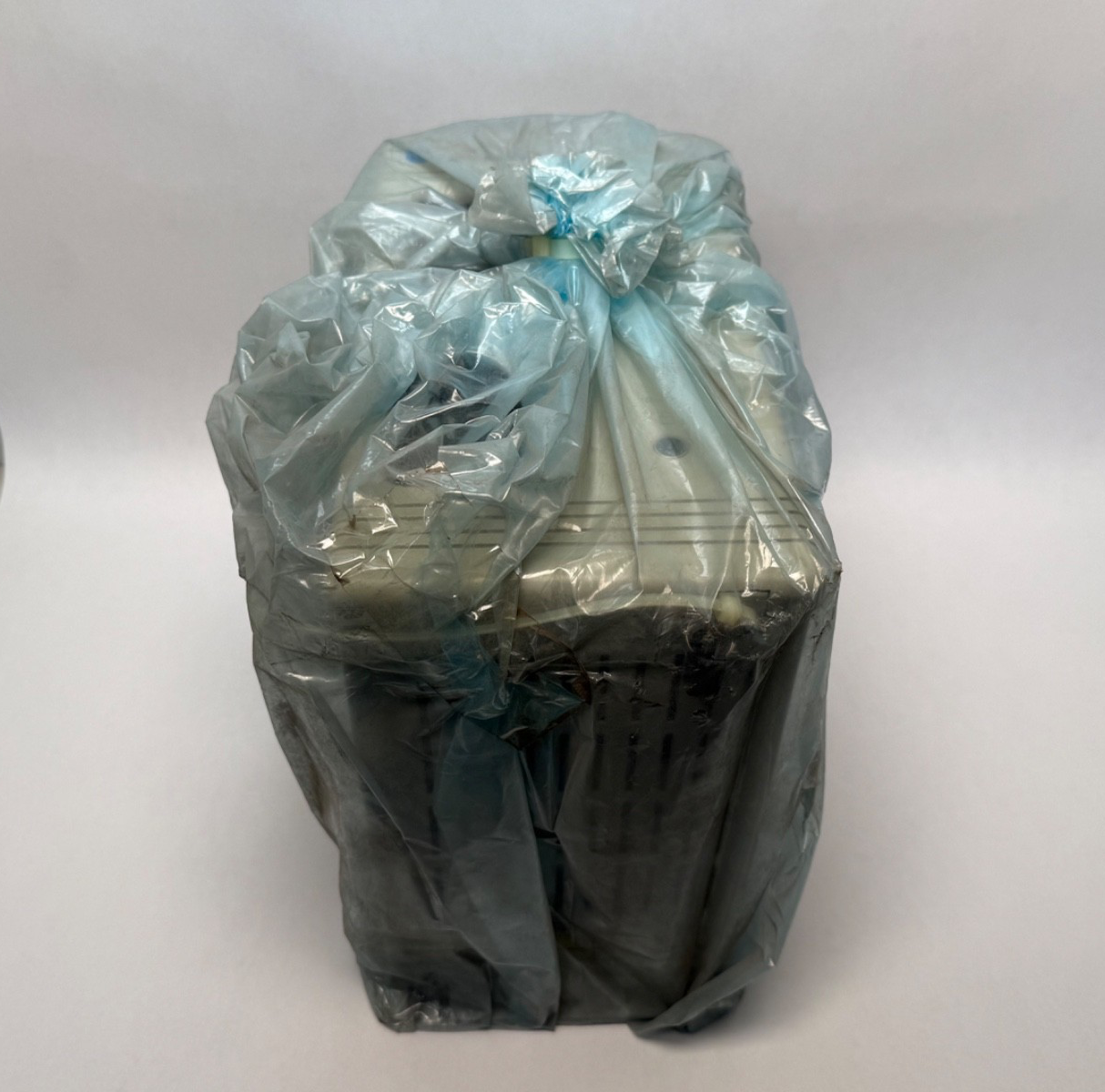
Bulletin 4100 IMC S Class is long discontinued by Rockwell Automation and there is no drop-in modern equivalent — the analogue ±10 V servo architecture and GML programming model were superseded by digital-drive platforms (Kinetix servo drives with Logix motion instructions), which means a migration is a rewire and a reprogram, not a swap. That is precisely why surplus 4100 stock still moves: for a running machine, keeping the IMC S Class alive is far cheaper than re-engineering the axis. Related legacy catalogue numbers in the same family: 4100-232, 4100-234, 4100-232-R, 4100-234-R, 4100-234-L, 4100-234-RL, 4100-REC (resolver), 4100-999-122 (installation and setup manual), publication 4100-TD023 (product data). Documented as Made in USA, new old stock, open box.




 store
store