
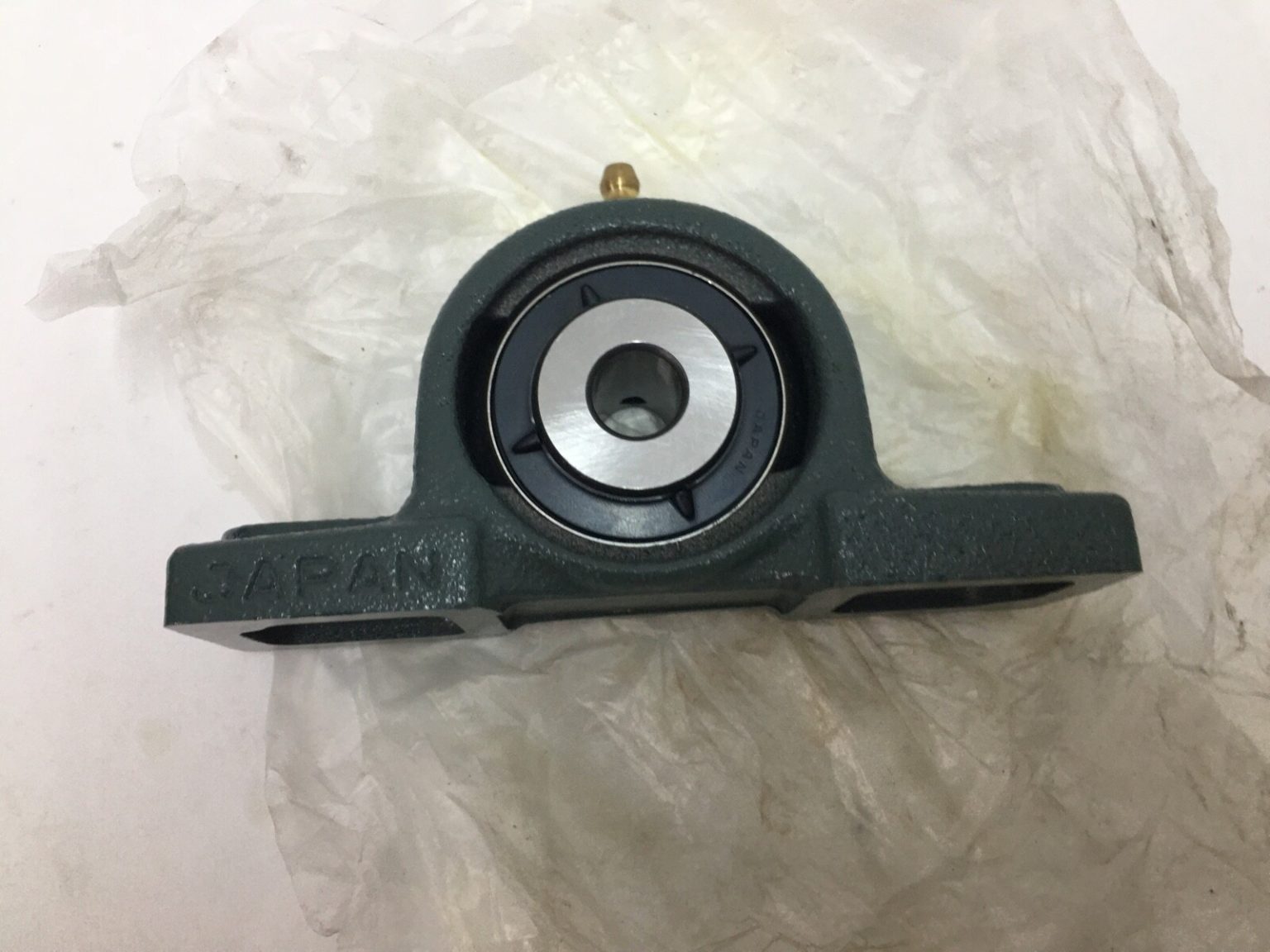
A pillow block is a mounted bearing unit designed to support a rotating shaft and carry it across a flat, horizontal surface. Instead of installing a bare bearing directly into a machine housing, you bolt a pillow block to a frame, base, or foundation, and the shaft runs through the bearing insert housed inside it.
The purpose of a pillow block is simple: it lets a shaft rotate freely while carrying radial load, and it does so in a package that’s easy to install, align, and replace. You’ll find pillow blocks on conveyors, fans, agitators, pumps, and just about any piece of rotating equipment where the shaft needs support away from the motor or gearbox itself.
Most pillow blocks are two-bolt or four-bolt designs, with the bearing insert (often a ball or roller bearing) pressed or locked into a cast iron or pressed steel housing. The housing protects the bearing, holds lubricant, and provides a stable mounting surface.
The name “pillow block” comes from the shape of early bearing housings, which resembled a pillow supporting a shaft the way a pillow supports a head. The term stuck in American industrial usage and is now the standard name for this type of mounted bearing in the United States.
In the UK and many Commonwealth countries, the same type of mounted bearing is called a “plummer block.” Functionally, a plummer block and a pillow block do the same job, they support a shaft and bolt to a flat surface. The difference is mostly regional terminology, though plummer blocks are sometimes associated with split housing designs common in European equipment.
When you’re sourcing parts, don’t let the naming trip you up. If a supplier or OEM manual calls out a “plummer block,” you can typically cross-reference it to an equivalent pillow block without issue.
These are the most common type, used across general industrial equipment. They use a standard ball or roller bearing insert and are built for moderate loads and speeds.
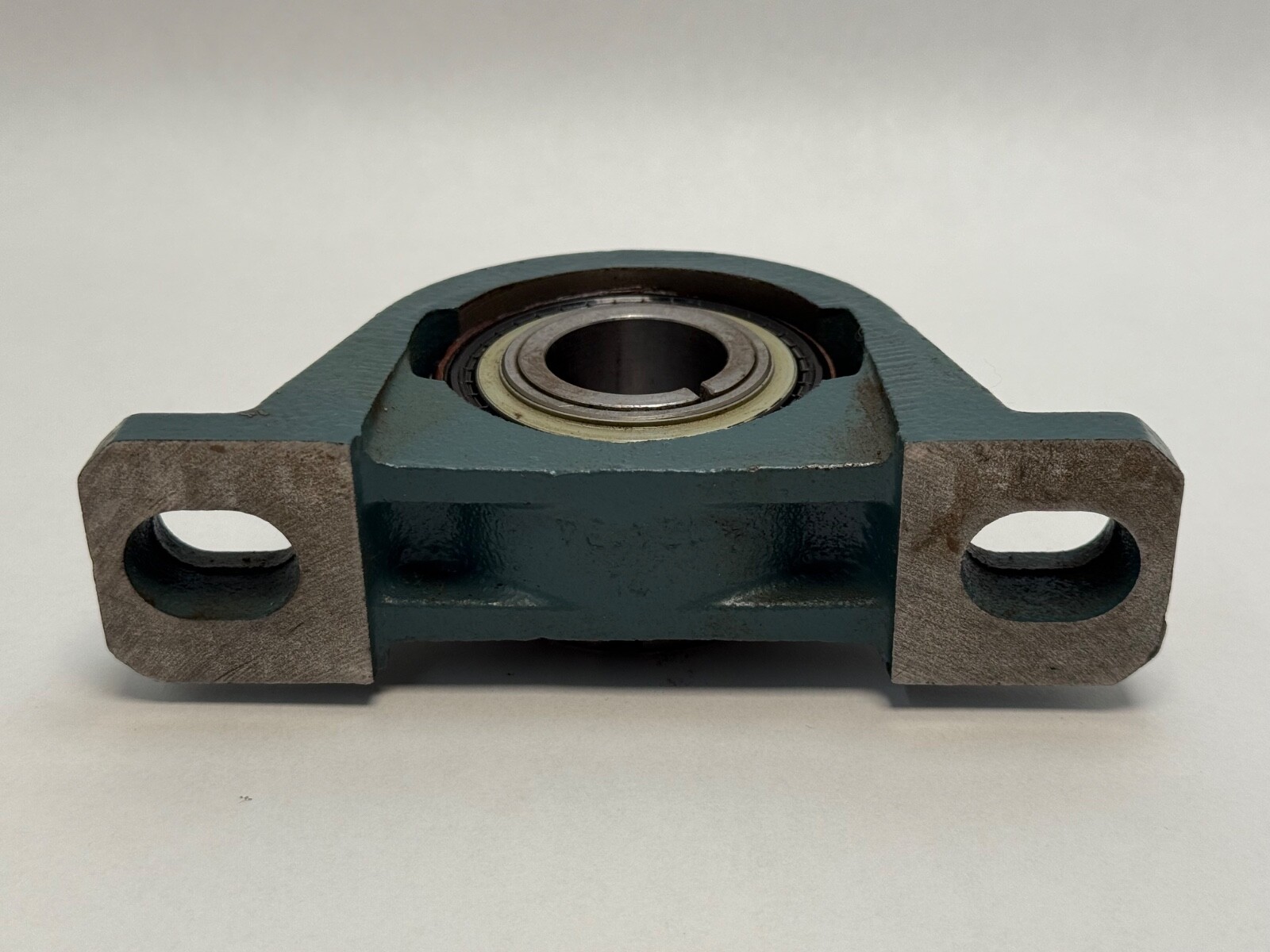
Self-aligning pillow blocks use a spherical insert that can pivot slightly inside the housing, compensating for minor shaft misalignment. These are a good choice when exact shaft alignment is difficult to maintain, such as on long conveyor runs.
Low center pillow blocks have a shorter housing profile, positioning the shaft closer to the mounting surface. They’re used where vertical clearance is limited or where a lower center of gravity helps with vibration and stability.
Not all pillow blocks support rotating shafts. Linear pillow blocks house a linear bearing and guide a shaft in straight-line motion rather than rotation. They’re common in automation, machine slides, and positioning systems.
Central Surplus carries pillow blocks across these categories, so whether you need a standard duty unit for a conveyor or a self-aligning block for a long shaft run, you’re not stuck piecing together parts from multiple suppliers.
Ordering the wrong pillow block is a common and costly mistake. Before you order, check these four things:
The bore is the inside diameter of the bearing insert, matched to your shaft diameter. Measure the shaft directly rather than relying on an old part number, since worn or substituted shafts don’t always match the original spec.
Measure the center-to-center distance between mounting holes. This determines whether the new pillow block will line up with your existing mounting base without redrilling.
Cast iron housings are more rigid and better suited to heavier loads and harsher environments. Pressed steel housings are lighter and more economical, often used in lighter-duty applications. Know which your application calls for before you buy.
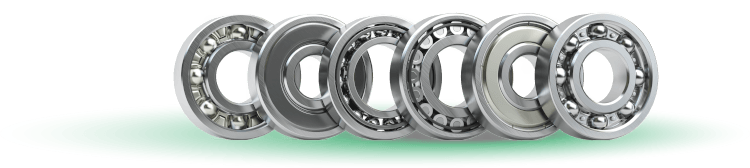
Check whether the application needs a ball bearing insert, a roller bearing insert, or a self-aligning spherical insert. The insert type affects load capacity, misalignment tolerance, and speed rating.
Running through this checklist before ordering is the single best way to avoid a mismatch, a delayed shipment, or a return.
For sourcing purposes, there isn’t a meaningful functional difference between a pillow block and a plummer block. Both are mounted bearing housings that support a rotating shaft on a flat surface. The difference comes down mainly to regional terminology, “pillow block” is standard in the US, “plummer block” is more common in the UK and other regions.
Some plummer blocks use split housings (where the top half unbolts from the bottom for easier bearing replacement), but split housing pillow blocks exist too. If you’re working from a manual or part number that uses “plummer block,” you can treat it as equivalent to a pillow block when sourcing a replacement, just confirm the bore size and bolt spacing match.
One of the most common problems buyers run into with pillow blocks isn’t picking the right type, it’s finding a replacement for a unit that’s been discontinued, relabeled, or made by a manufacturer that no longer exists. Old equipment often carries part numbers that don’t show up in any current catalog.
This is where Central Surplus’s cross-reference and interchange sourcing comes in. Send us the part number stamped on your old housing or insert, along with the bore size and bolt spacing if you have it, and we’ll work to identify a current equivalent. We do this regularly for obsolete bearings, motors, and power transmission components, not just pillow blocks, so if your plant is running decades-old equipment, you’re not stuck guessing.
Most of the ranking pages on pillow blocks stop at basic product listings. They don’t offer this kind of help for hard-to-find or discontinued parts, which is exactly the situation a lot of maintenance teams find themselves in.
Once you know what you need, speed matters. Central Surplus ships same-day on orders placed before 6:00pm Eastern, so a pillow block ordered in the morning can be on a truck that afternoon instead of sitting in a queue for days.
Pricing is another differentiator. We price pillow blocks and other MRO parts at competitive prices compared with typical distributors, and you can ask for a quote when ordering multiple units. That helps if you’re stocking spares for several machines or outfitting a new line. If you’ve got a bill of materials with several pillow blocks and related power transmission components on it, send it over and we’ll quote it for you rather than making you build the order line by line.
Getting the right pillow block quickly comes down to two paths. If you know your specs, bore size, bolt hole spacing, housing material, and insert type, you can go straight to ordering and have it shipped same-day if you place the order before 6:00pm Eastern.
If you’re working from an old or obsolete part number, or you’re not sure what you’re looking at, submit the number or a photo of the housing and we’ll cross-reference it for you. This works for pillow blocks, bearings, motors, and other power transmission parts alike.
And if you’re sourcing for more than one machine, don’t price it unit by unit. Send us your parts list and ask for a quote. It’s usually faster than pricing every unit on its own.
Our team can locate, cross-reference, and source all parts.
Our team can locate, cross-reference, and source all parts.