
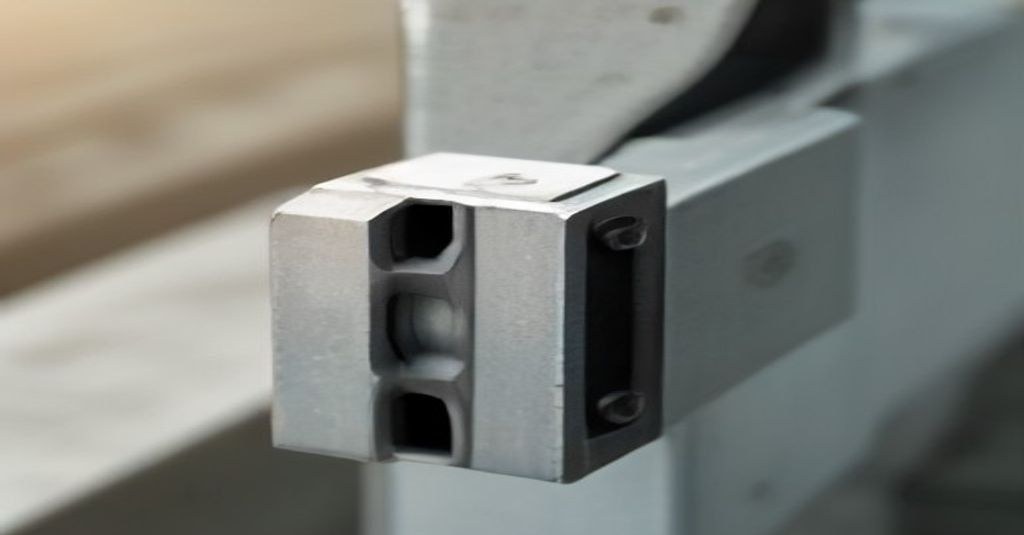
Linear bearings are components that let a machine part move smoothly and precisely in a straight line instead of rotating. Unlike a standard ball bearing, which supports rotational motion around an axis, a linear bearing supports motion along a shaft or rail. It does this using balls, rollers, or a low-friction bushing material that reduces resistance as the carriage slides back and forth.
You’ll find linear bearings anywhere a machine needs repeatable, straight-line travel: CNC machine tools, 3D printers, conveyor systems, robotics, and packaging equipment. They’re usually paired with a shaft or a linear rail (also called a linear guide), which gives the bearing a fixed path to follow. The bearing handles the load and the smoothness of motion; the rail or shaft provides the structure and alignment.
Because linear motion systems often run continuously in production environments, the quality of the bearing and rail pairing directly affects accuracy, wear life, and downtime. Getting the right part, and getting it quickly when something fails, matters as much as the initial design choice.
Not all linear bearings are built the same way, and the differences affect load capacity, speed, noise, and maintenance needs. Here’s how the main types compare.
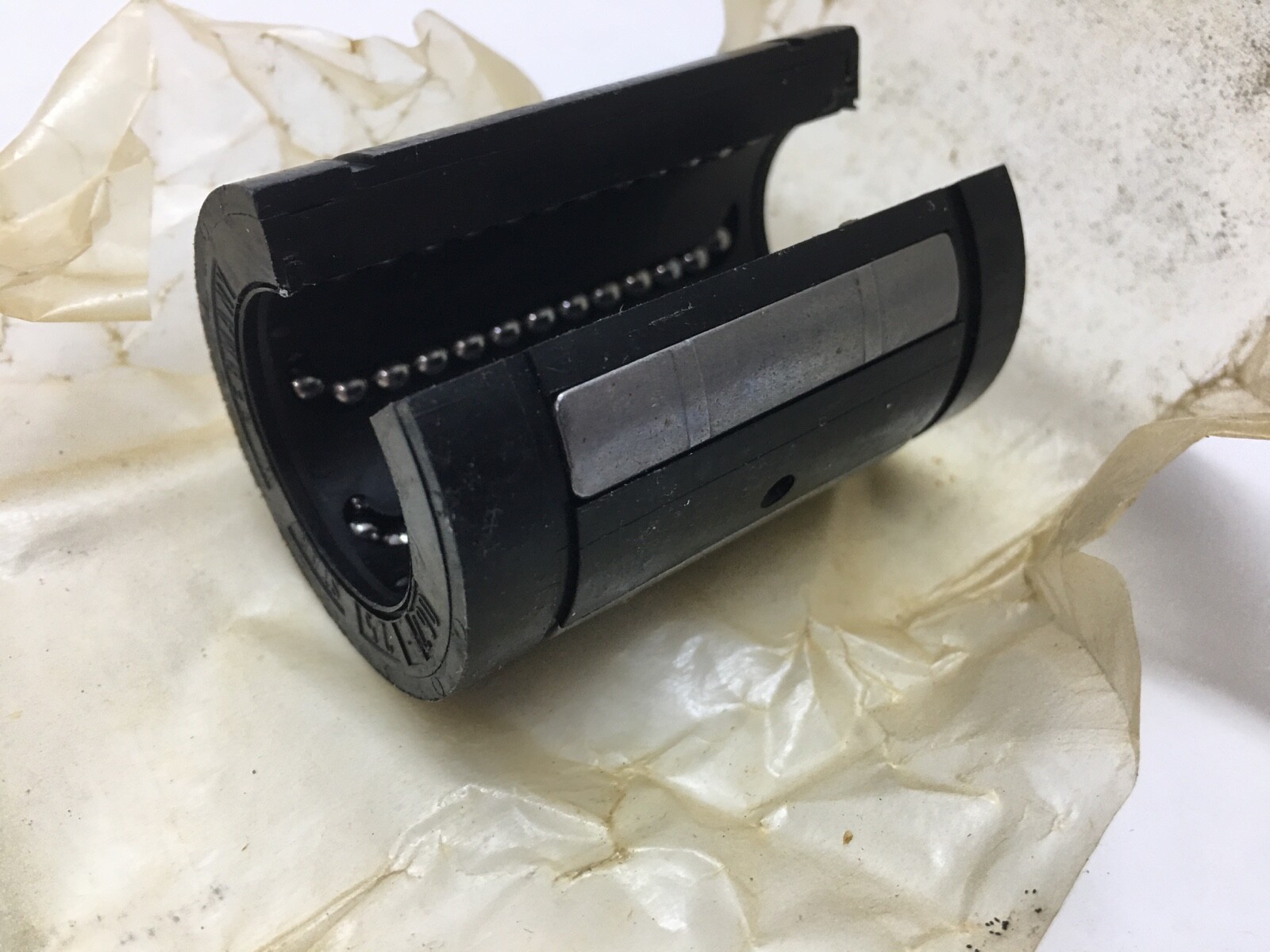
Ball bushings use recirculating ball bearings riding in a linear path along a precision shaft. They offer low friction and smooth, quiet operation, making them a common choice for moderate-load, moderate-speed applications like machine tool slides and automation equipment. Example: a round shaft linear ball bushing supporting a pick-and-place arm on a packaging line.
Roller type linear bearings use cylindrical rollers instead of balls. Because rollers make line contact rather than point contact with the rail, they can carry significantly higher loads and resist deflection better. They’re favored in heavy industrial equipment, presses, and machine tools where rigidity under load matters more than top-end speed.
Plain or polymer bushings skip rolling elements entirely, relying on a low-friction sleeve material to slide directly against the shaft. They’re quieter, more tolerant of dirty or washdown environments, and lower cost, but they generally handle lower speeds and loads than ball or roller designs. They’re a practical option when contamination resistance matters more than precision speed.
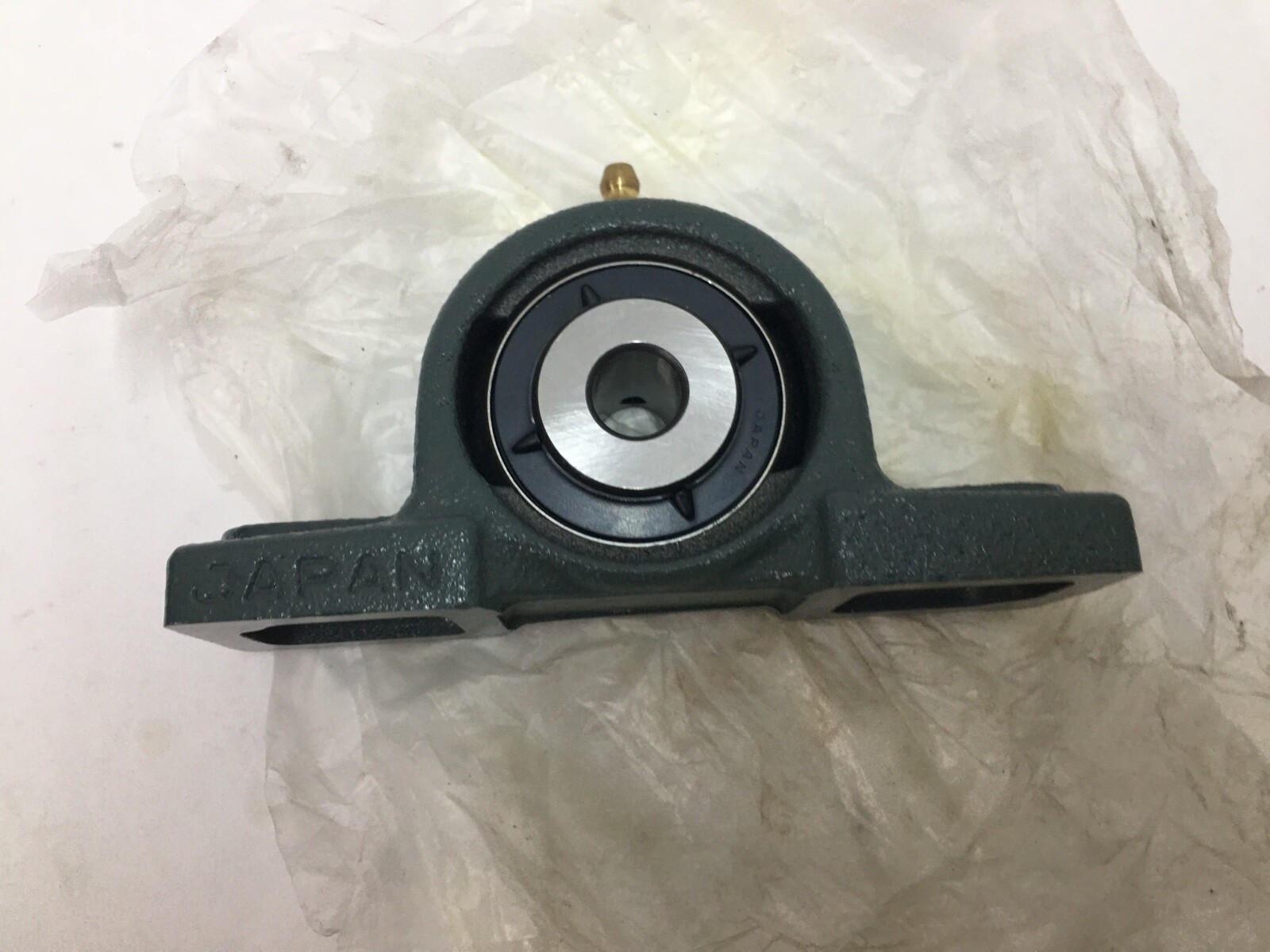
A linear bearing on its own doesn’t do much, it needs a path to travel on. That’s where linear rails come in. A linear rail (or guide rail) is the fixed track, usually hardened steel, that the bearing carriage rides along. The bearing block, sometimes called a carriage or pillow block, wraps around or sits on the rail and carries the load while rolling or sliding along it.
When people search for linear bearings and rails together, they’re usually specifying a complete motion system rather than a single part. The rail determines travel length, straightness, and mounting footprint. The bearing block determines load rating, friction, and precision. Mixing mismatched brands or profiles between bearing and rail can cause binding, premature wear, or play in the system, so matching the correct bearing block to its rail profile is important when sourcing replacements.
Choosing the right linear bearing and rail combination comes down to a few practical factors.
Start with how much weight the system carries and how fast it needs to move. Roller-type bearings generally handle heavier static and dynamic loads, while ball bushings tend to run at higher speeds with lower friction. Every linear bearing has a maximum rated speed set by the manufacturer, exceeding it can cause heat buildup, accelerated wear, or ball/roller skidding, so always check the published speed rating for the specific part number rather than assuming based on type alone.
Dust, moisture, metal chips, and washdown chemicals are common disadvantages that affect linear bearing performance. Open ball and roller designs are more sensitive to contamination getting into the raceway, which can cause binding or scoring. Sealed bearing blocks or polymer bushings are better suited to dirty or wet environments.
Linear bearings have limited tolerance for shaft or rail misalignment, and poor alignment is one of the most common causes of premature failure. Most types also require periodic lubrication, another often-overlooked disadvantage compared to fully sealed rotary bearings. Confirm the recommended lubrication interval and mounting tolerances before installation, especially on replacement parts for older equipment.
Linear bearings show up across a wide range of industrial settings. In machine tools, they guide spindles and tables with the precision needed for accurate cuts. In robotics and automation, they support axes that move payloads with repeatable accuracy. Packaging and material handling equipment use them for conveyors and transfer mechanisms that need smooth, reliable travel over long duty cycles. They also appear in medical equipment, test fixtures, and general factory automation wherever straight-line motion has to be controlled and maintained over time.
One of the most common problems maintenance teams run into isn’t choosing a linear bearing, it’s finding one that’s been discontinued, relabeled, or locked to a specific OEM part number. Equipment often outlives the original manufacturer’s support window, leaving you stuck searching for a number that no longer shows up anywhere.
This is where Central Surplus’s cross-reference and interchange sourcing comes in. Instead of leaving you to guess at dimensional equivalents, we help match your obsolete or hard-to-find linear bearing number to a current equivalent, so you’re not forced into a redesign just to replace a worn part. This applies whether you’re working from an old OEM tag, a competitor’s part number, or a bearing pulled off decommissioned equipment.
Finding the right linear bearing is only half the job, getting it at a fair price and getting it fast matters just as much when a line is down.
Central Surplus aims to price linear bearings and rails below typical distributors, which matters whether you’re replacing a single bearing block or sourcing components for a full project.
If you’re working from a bill of materials, send us your parts list and we’ll quote it together so you’re not requesting quotes one line item at a time. We also buy surplus industrial inventory, including linear bearings and rails, if you’re looking to offload excess stock rather than just purchase.
Orders placed before 6:00pm Eastern ship the same day. When downtime is costing you money, that cutoff can be the difference between a quick fix and a stalled production line.
What’s the main disadvantage of linear bearings? Sensitivity to contamination and the need for proper lubrication and alignment are the most common drawbacks, especially in dusty or washdown environments.
What is the maximum speed for a linear bearing? It varies by type and part number, ball bushings generally support higher speeds than roller or plain bushing types, so always check the manufacturer’s rated speed for the specific part.
Can I replace a linear bearing without replacing the rail? Often yes, as long as the replacement bearing matches the rail profile and tolerances. If the original part is obsolete, cross-reference sourcing can help identify a compatible match.
Do linear bearings need lubrication? Most ball and roller type linear bearings do, on a regular interval. Polymer/plain bushings typically need less frequent lubrication.
Whether you’re specifying a new motion system or scrambling to replace a worn-out, hard-to-find linear bearing, Central Surplus can help. Request a quote, or send us the old part number for cross-reference sourcing, orders placed before 6:00pm Eastern ship the same day.
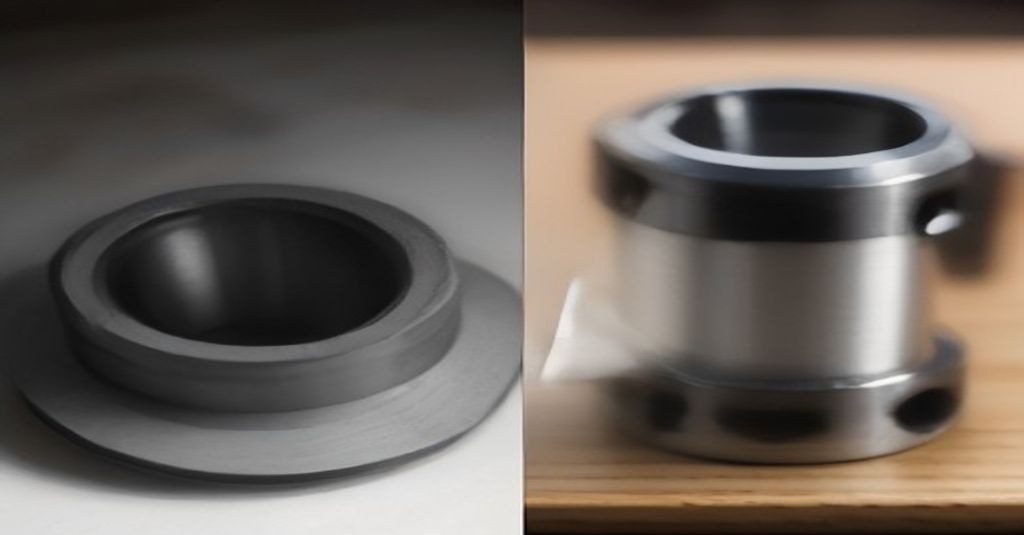
Our team can locate, cross-reference, and source all parts.
Our team can locate, cross-reference, and source all parts.