
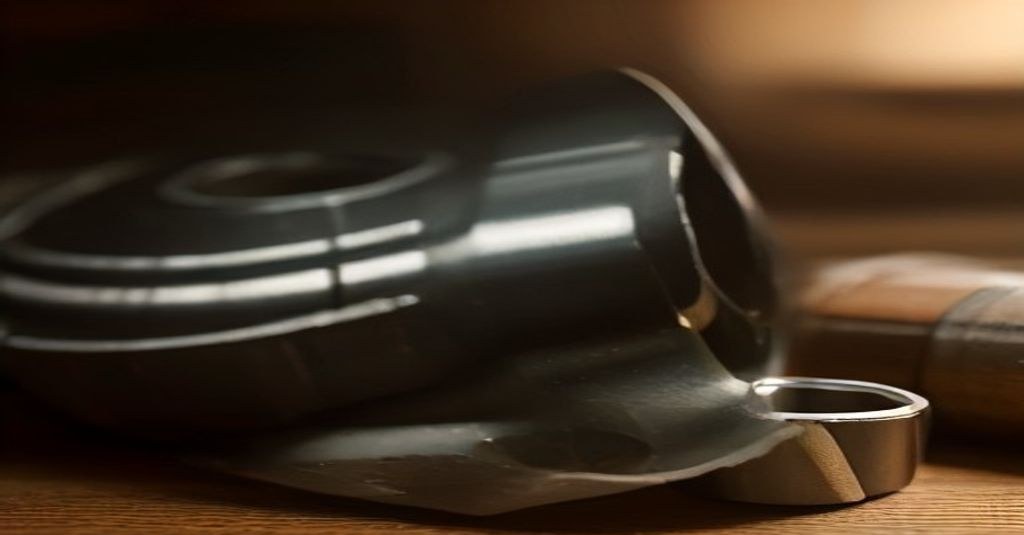
Tapered bearings are built with angled, or “tapered,” inner and outer raceways, with rollers shaped to match that angle. This geometry is what sets them apart from standard ball bearings. Because the raceways and rollers sit at an angle to the bearing’s axis, tapered bearings can carry radial loads (forces pushing in toward the shaft) and thrust loads (forces pushing along the shaft) at the same time, in a single bearing.
A standard deep-groove ball bearing can handle some combined loading, but it’s not designed for heavy thrust in one direction the way a tapered bearing is. That’s why tapered roller bearings show up anywhere a shaft needs to resist both types of force at once, wheel hubs, gearboxes, and heavy machinery being the most common examples. The tradeoff is that tapered bearings are almost always used in pairs (a “cone” and a “cup,” mounted opposed to each other) and need correct adjustment to work properly, which we’ll cover later in this guide.
The single row tapered bearing is the most common configuration. It consists of one cone (inner ring with rollers) and one cup (outer ring). Single row bearings handle combined radial and one-directional thrust load and are typically used in pairs, facing opposite directions, to manage thrust from both sides of a shaft, think wheel hub assemblies and pinion shaft support in gearboxes.
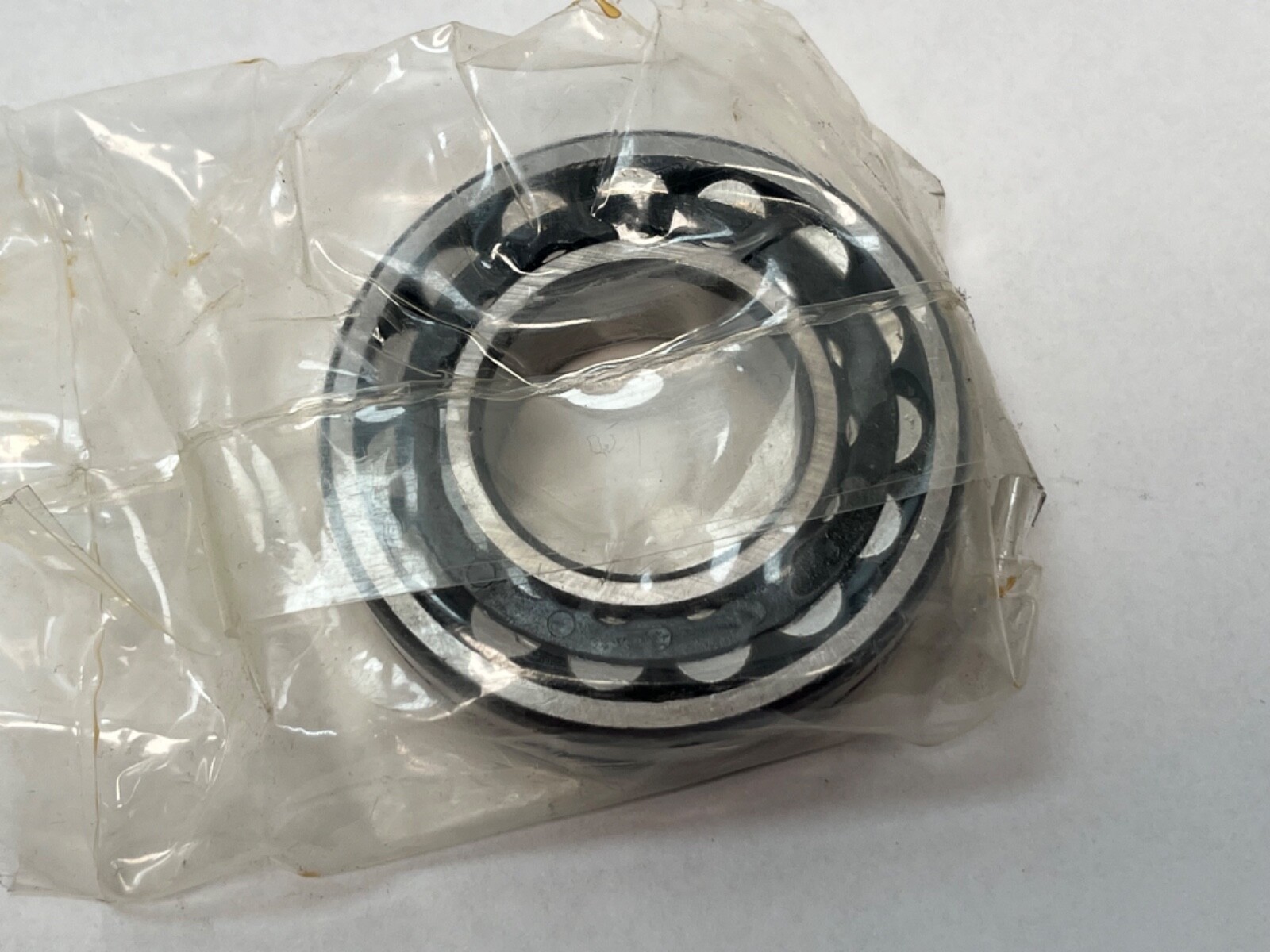
Double row tapered bearings combine two rows of tapered rollers in a single assembly, often with the cups arranged back-to-back or face-to-face. This setup handles thrust loads in both directions from one bearing, which simplifies design and reduces the number of parts needed in an assembly. Double row bearings are common in applications like axle hubs and gearbox housings where space is tight but bidirectional thrust is a factor.
Four row tapered roller bearings, sometimes called TQO bearings, are built for heavy-duty applications with very high radial loads combined with thrust in both directions. These are the bearings you’ll find in rolling mill equipment and other heavy industrial machinery where load capacity and stability matter more than size or weight.
Tapered bearings are also available with seals or shields that keep contaminants out and lubricant in. Sealed versions are common in applications exposed to dirt, moisture, or debris, conveyor systems and off-road or agricultural equipment are typical examples. Shielded versions offer some protection while allowing easier lubrication access, a tradeoff worth considering based on your maintenance schedule and operating environment.
Tapered bearings are used anywhere rotating equipment needs to manage combined radial and thrust loads. Some of the most common applications include:
Across all of these, the common thread is the same: a shaft that needs support against forces coming from more than one direction. If your equipment fits that description, there’s a good chance tapered bearings are already part of the design.
Tapered bearings are manufactured to both inch (ANSI/AFBMA, often called “Timken-style” numbering) and metric (ISO) standards. These two systems are not interchangeable just because dimensions look close, a bearing that’s a few hundredths of an inch off in bore or outside diameter won’t seat or seal correctly. Before ordering, confirm whether your equipment’s original specification calls for inch or metric series, especially on older or imported machinery where the standard may not match what you’d expect.
Tapered bearings are sold as a cone (inner race and rollers) and a cup (outer race), and each has its own part number. The two must be matched correctly, mixing cones and cups from different series, even if they appear similar, can cause premature failure. When sizing a replacement, you’ll want to confirm bore diameter, outside diameter, overall width, and the specific cone/cup pairing called out by the original part number or your equipment’s documentation. If you’re working from a worn or illegible part number, our team can help cross-reference it against known dimensions rather than guessing.
One of the most common problems industrial buyers run into isn’t finding a tapered bearing, it’s finding the right one when the part number on the equipment is discontinued, obsolete, or from a manufacturer that no longer produces it. This happens often with older machinery, imported equipment, and legacy gearboxes that have been running for decades.
This is where Central Surplus can help: we help customers interchange obsolete or hard-to-find tapered bearing numbers against current equivalents. Instead of stalling a repair while you track down a part that hasn’t been manufactured in years, our team works through dimensional and design cross-references to identify a bearing that will fit and perform correctly.
Part of how we’re able to do this is through our ongoing practice of buying surplus industrial inventory. When plants close, downsize, or liquidate excess stock, we purchase that surplus, which often includes older or hard-to-find tapered bearing part numbers that aren’t readily available through typical distributors. If you’re trying to keep aging equipment running and can’t find a current listing for your part number, reach out, there’s a good chance we can source it or cross it to an equivalent.
Yes. Unlike many ball bearings that can be installed with a simple press fit, tapered roller bearings typically require preload or endplay adjustment to function correctly. Preload refers to the small amount of internal load applied to the bearing during installation, which ensures the rollers are properly seated against both raceways and the load is distributed evenly across the bearing.
Too little preload (excess endplay) can cause the bearing to shift under load, leading to vibration, noise, and accelerated wear. Too much preload generates excess heat and friction, which shortens bearing life just as quickly. The correct setting depends on the specific bearing and application, so always follow the manufacturer’s torque or endplay specification rather than relying on “feel” during installation.
During routine maintenance, it’s worth periodically checking for endplay drift, unusual heat, or noise, since these are early signs that preload has shifted out of spec, often due to normal wear or a prior installation that wasn’t torqued correctly. Catching this early is far cheaper than replacing a bearing that’s failed from running out of adjustment.
When equipment is down, waiting days for a replacement bearing isn’t an option. Central Surplus ships orders placed before 6:00pm Eastern the same day, nationwide. Whether you need a single cone and cup or a full set for a maintenance overhaul, that turnaround matters when downtime is costing you money.
We aim to price below typical distributors, and you can ask for a quote if you are buying multiple parts across a facility or project. If you’re sourcing tapered bearings as part of a larger parts list, send us your parts list and we’ll work up a quote rather than making you price each line item one at a time.
If you’re not sure exactly which tapered bearing you need, or you’re working from a worn, partial, or obsolete part number, our team is set up to help you cross-reference it to a current equivalent. This consultative approach, rather than leaving you to guess from a catalog, is part of how we help customers avoid costly mismatches or repeat orders.
Whether you know your exact part number or you’re starting from a worn tag on old equipment, Central Surplus can help you get the right tapered bearing without the wait. Search our catalog for standard single row, double row, four row, and sealed tapered bearings, use our cross-reference support for obsolete or hard-to-find numbers, or contact our team for a quote on larger orders.
Place your order before 6:00pm Eastern and we’ll ship it the same day, nationwide, because when a bearing fails, the rest of your operation shouldn’t have to wait.
Our team can locate, cross-reference, and source all parts.
Our team can locate, cross-reference, and source all parts.