
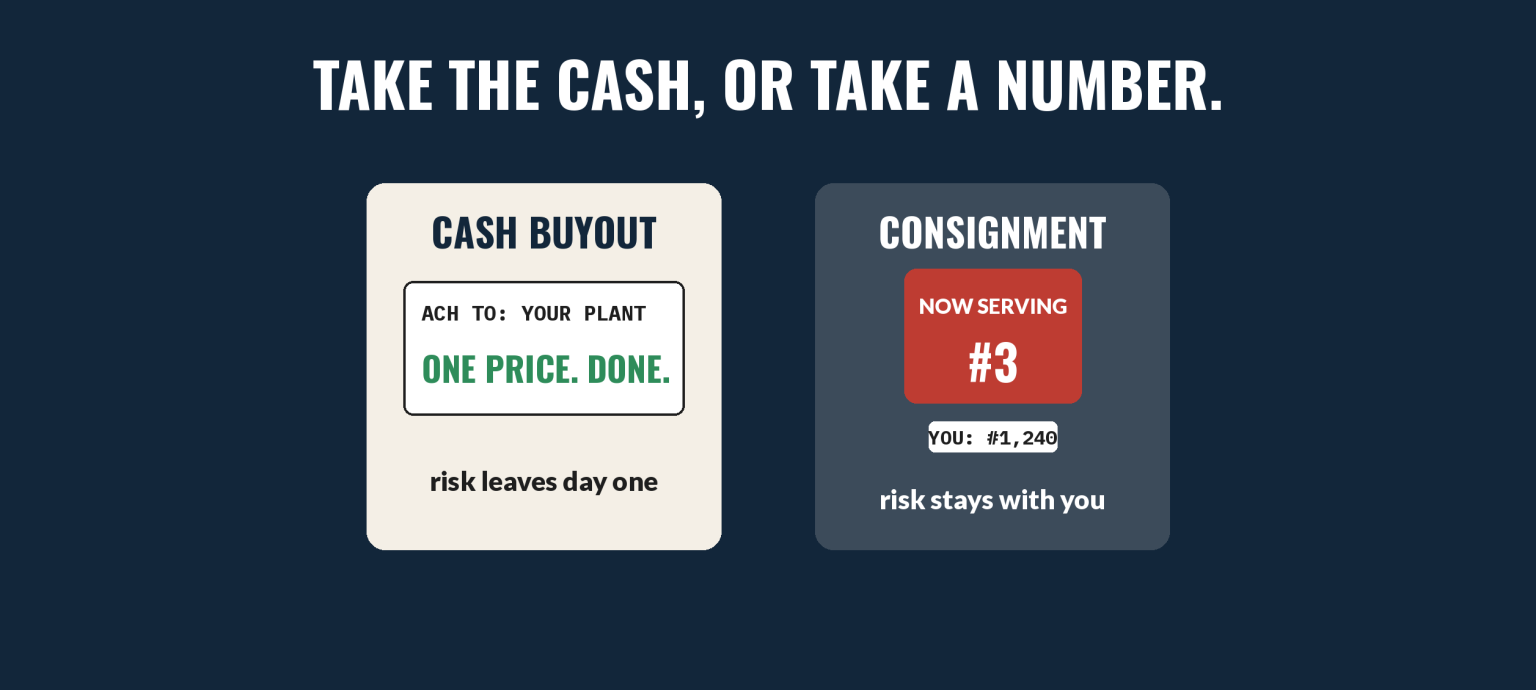
Consignment keeps the risk on your books and calls it a service. Smart money takes the cash.
Surplus inventory consignment sounds like the safe choice. Do the math on who carries the risk.
“As it sells” is not a date.
There’s a new pitch going around plant offices.
Hand your entire surplus list to a managed consignment program. Vetted resale partners photograph it, list it, pick it up, pack it and pay you out as it sells. You keep ownership the whole time and watch the progress in an app.
It sounds tidy. It also sounds a lot like keeping the inventory. Because you are, and you will quickly learn that is not fun at all.
Because that’s exactly what surplus inventory consignment is: your parts, your books, and still your risk.
Here’s how the two models actually split the risk.
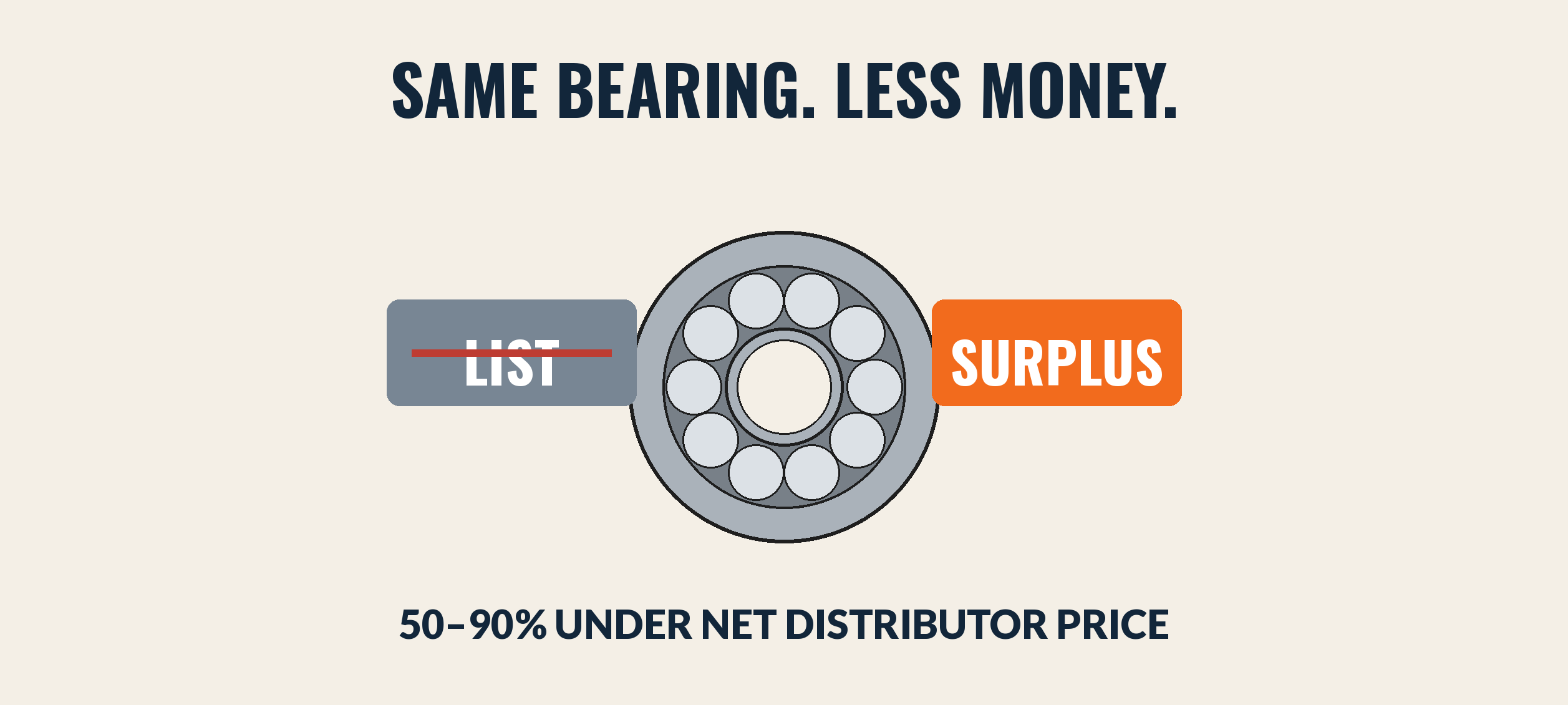
Save yourself the 3-year headache and take the cash in the form of a direct purchase.
It is common to think you will receive less money, but when you actually calculate NPV of money, carrying costs and the gray hairs, it’s much more.
Now the dead stock.
A 2025 industrial spare parts survey found 22% of MRO inventory had gone unused for more than five years. That’s the slice that doesn’t sell on consignment either. It just sits somewhere new.
And somebody pays to photograph and list a $12 obsolete bushing. Do the math on what that listing costs against what it sells for. Then ask where the bushing actually goes when nobody buys it.
(We’ve walked plenty of plants where last decade’s “we’ll sell it eventually” pile is still sitting in the same corner. And after working 200+ consignment deals, we simply quit offering it.)
“Every part gets a route” is a promise. Promises cost money.
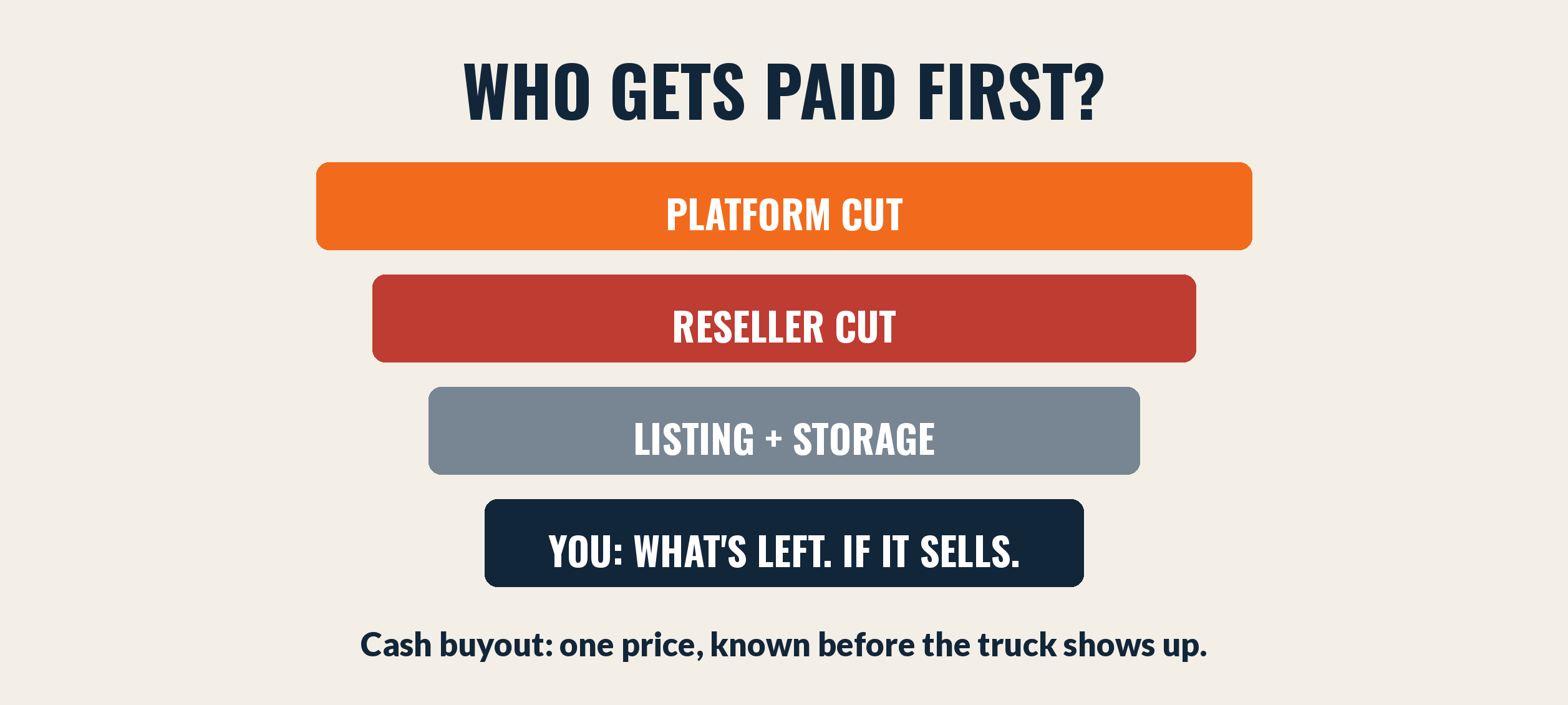
All of that comes out of the payout. The owner is the last one paid, on the parts that sold, after everyone else took theirs.
Consignment sounds like a quality partnership, until you realize everyone gets paid before you do. It feels organized, until you realize you’re the last one called and you leave with the smallest share.
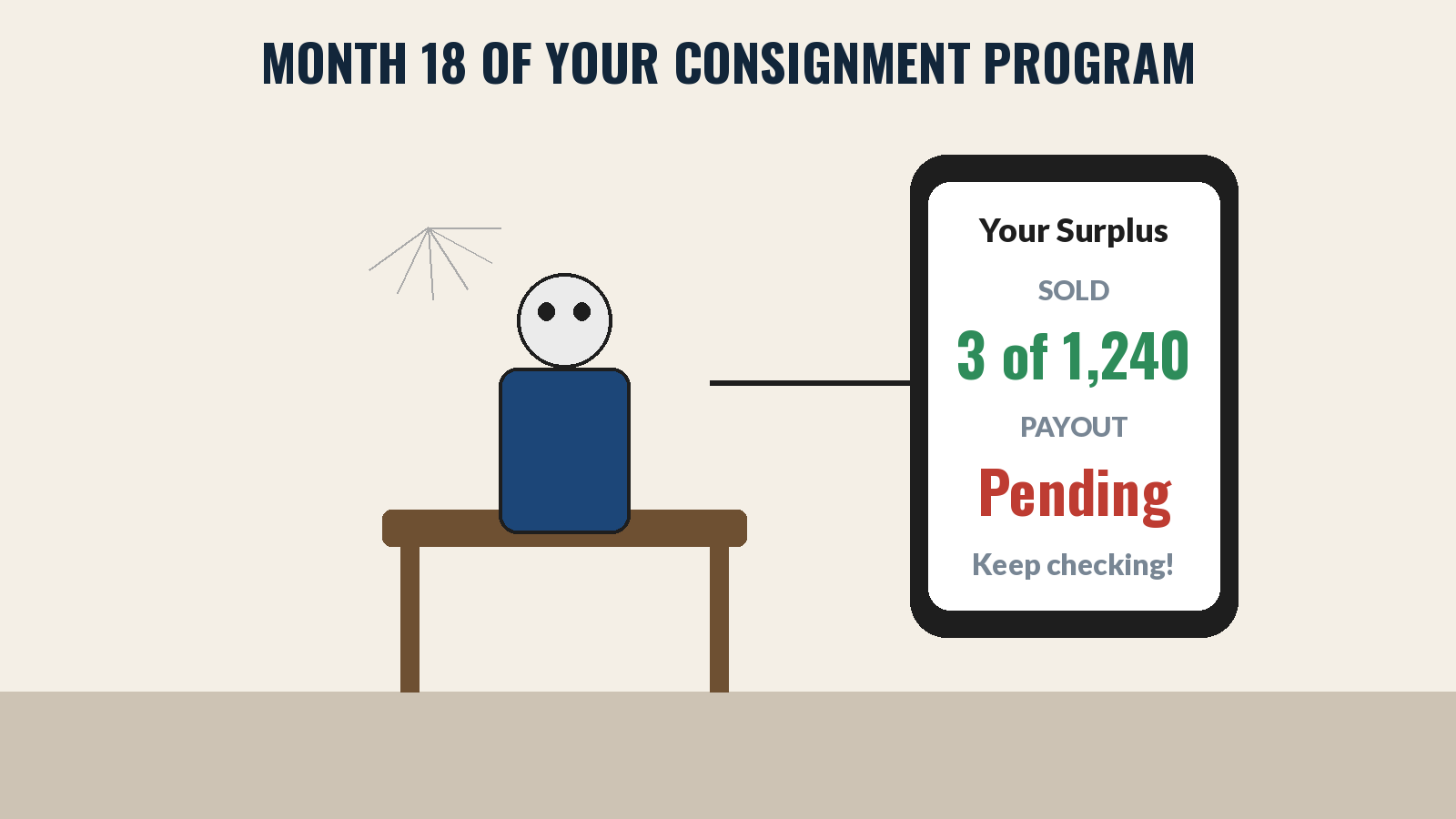
Consignment usually wins in MRO spare parts contracts because you are promised “more money” back in your pocket with the trade off being you have to wait 100x longer to actually get the money.
But ask a finance manager or AI about how getting paid quicker always trumps getting paid “more.”
You sit on the parts, while you are still paying for them, while your consignment partner waits. Why? Because the model is asset-light; unsold parts costs them nothing, the model runs on volume.
The first time your consignment partner calls you and asks one of your reps to go see what revision the PCB is because they missed it in the photos, you’ll change your mind and switch to a direct buyout.
Time value finishes the job. A written-off part paid for today beats a “market rate” spread across 18 months, if it arrives at all. A dollar now closes the line item. A dollar eventually is a forecast, and you end up paying for the part twice.
The consignment pitch frames surplus buyers as cherry-pickers who take the fast movers and leave the rest to be scrapped.
Flip it around.
Yes, the fast movers are worth more. Everybody knows that, including the buyer pricing your lot. A real offer prices the hot spares, the slow movers and the dead stock together, and still writes one number at the bottom. (Most lots we see are mostly long-tail. We buy it anyway. Cherries included.)
A buyer who prices your whole lot and pays cash for it is taking the exact risk the consignment model leaves with you. The slow movers, the obsolete numbers, the one-off bearings nobody has asked for since 2015: once the cash lands, that’s the buyer’s problem.
That’s what surplus inventory consignment can’t offer. Certainty.
Why do you think consignment is offered to you? Because it works in the reseller’s favor.
The reseller pays nothing up front.
The parts sit on your books, and you pay the holding costs and taxes while you wait.
You are still the owner of record, and you still hold the liability.
Ask yourself what is best for you.
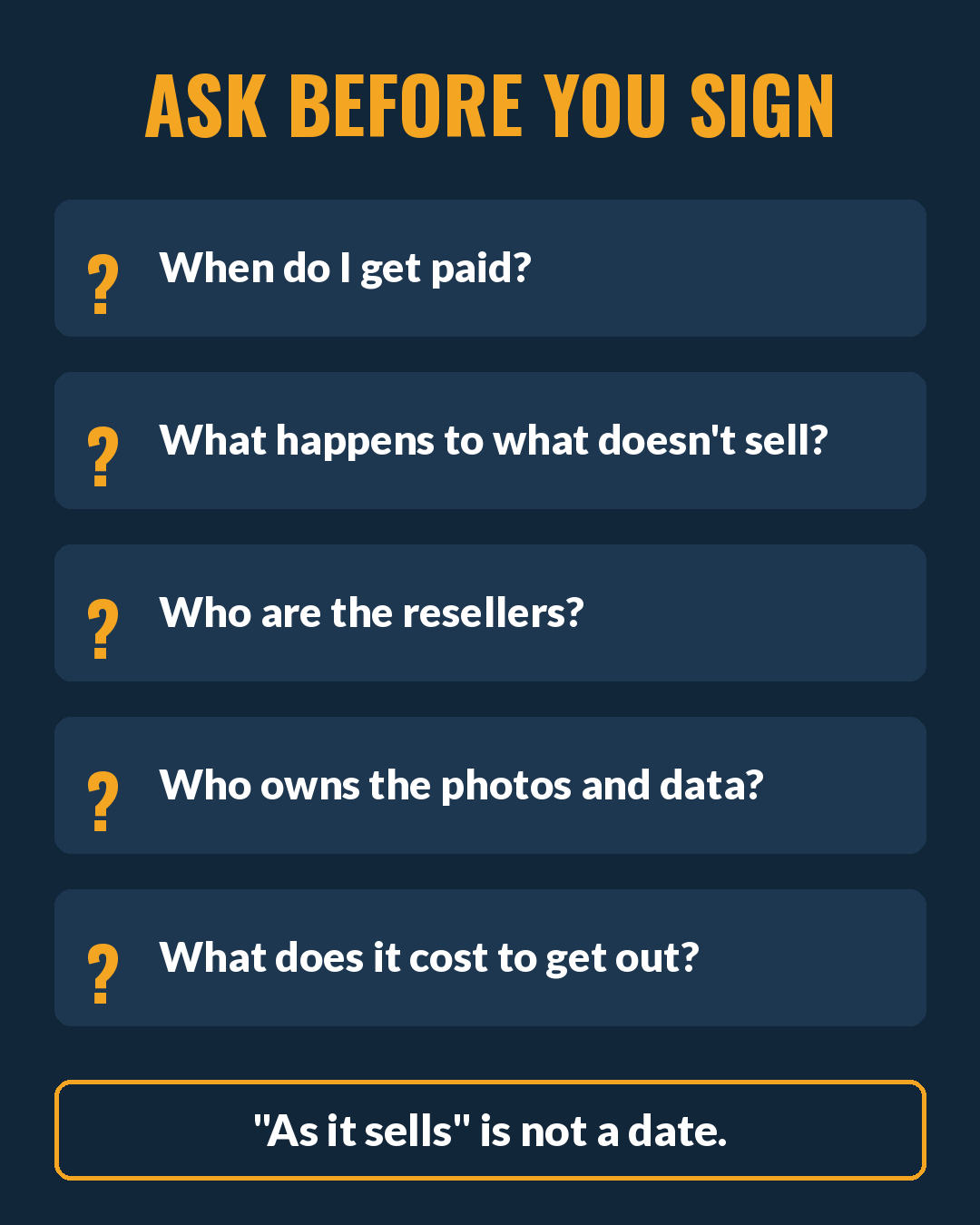
Before you sign any managed consignment program, get these answered in writing:
Or skip the questionnaire and move the merchandise once, like smart sellers are doing. PLCs, PCBs and drives, power transmission, electrical and controls, general MRO: one lot, one price, one pickup. Here’s how selling a surplus lot works.
Every surplus decision comes down to one question: who carries the risk, and for how long?
There are two methods here. The owners who sign a surplus inventory consignment program and check an app for two years. Then they scrap the rest, and you get half of a tiny per-pound scrap check.
The owners who take a price, take the cash and take the floor back.
The second method gets to stop thinking about it. Their storage, insurance and inventory tax stop the day the truck leaves.
Here’s the catch with “you keep ownership.” Ownership is the problem you were trying to solve.
Ownership means the parts stay on your balance sheet. It means your auditors still count them. It means the slow movers keep depreciating on your books while every platform revision shrinks the pool of buyers who can still use those part numbers.
Take the emotion out of it. Nobody wants to admit the overbuy was theirs. Consignment lets you put off admitting it. A cash buyout ends it.
Central Surplus buys whole surplus lots outright, from a few boxes to 10 truckloads, and pays above typical surplus buyout rates. One price, known up front. Paid via ACH, within a week.
The largest surplus houses will pay you in 4 months. Consignment pays you “when they sell”.
Worried you’ll need one of those spares after it’s gone? “What if the line goes down next year?” Fair. That’s what we’re here for. Plenty of industrial plants and OEMs sell us their surplus, then buy back the exact part they need later, at a deep discount, with no storage, insurance or inventory tax in between. We carry the inventory. You carry nothing.
What to watch: more software platforms adding surplus disposal features in 2027, and more plants asking the hard questions above before they sign.
The owners who ask early will get the better deal. Either way, the parts aren’t getting younger.
And if you sell now, you’re not paying for another year of storage.
Ready to sell industrial MRO parts? Make it easy. → Sell Your Parts


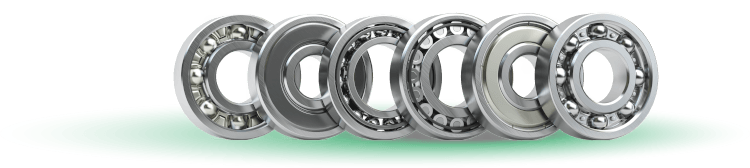
Our team can locate, cross-reference, and source all parts.
Our team can locate, cross-reference, and source all parts.